

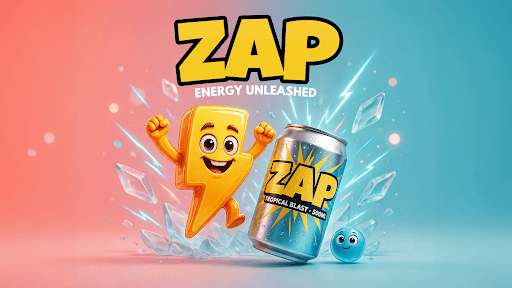
3D animation for social media ads works because people are not waiting to be impressed. They are scrolling half-distracted, thumb ready, sound off, attention split between five other things. Your ad has a tiny window to earn a pause. Not a minute. Not even ten seconds. Sometimes one strong visual in the first second decides whether the viewer stays or leaves.
That is where 3D can help. It gives brands a way to show movement, product detail, transformation, texture, scale, and impossible camera angles without needing a huge shoot every time.
Why 3D Animation for Social Media Ads Works So Well
Most social ads fail before the offer even appears.
The first frame looks flat. The product sits there doing nothing. The opening line sounds like every other ad. The viewer understands the pattern and leaves.
3D breaks that pattern when it is used properly.
A sneaker can build itself from parts. A skincare bottle can open into ingredients. A food product can snap, melt, pour, or splash. A tech product can reveal the inside mechanism. A service brand can turn a boring process into a visual sequence that people understand without reading three paragraphs.
Good animation services are not just about making the ad look expensive. They help the ad communicate faster, which matters more on social than almost anywhere else.
The First Second Has to Earn the Next Three
Social media ads do not get polite attention.
The viewer does not owe the brand anything. So the opening visual has to do real work. A slow logo fade is usually a mistake. A generic product beauty shot is not enough unless the product already has major recognition.
Start with action.
A product falling into frame.
A lid popping open.
A bold transformation.
A package tearing.
A before-and-after switch.
A close-up texture shot.
A visual problem appearing instantly.
That is why short-form animation for paid social needs a different mindset from a brand film. A brand film can build mood slowly. A paid social ad has to grab attention before the viewer’s thumb moves again.
Social Ads Need Product Clarity, Not Just Motion
Motion alone does not sell.
A busy 3D ad can still fail if people cannot understand what is being shown. This happens a lot. Floating objects. Fast cuts. Shiny particles. Dramatic lighting. No clear product. No clear benefit. No clear reason to click.
The viewer should know three things quickly:
What is it?
Why should I care?
What should I do next?
That sounds basic. It is also where many ads fall apart.
A good 3D animation storyboard should decide the visual logic before production starts. First frame, hook. Second beat, product. Third beat, benefit. Final beat, action. Not always in that exact order, but the ad needs a path.
Without that path, the animation becomes decoration.
Instagram Ads Need Clean Visual Reading
Instagram is crowded, polished, and ruthless.
A product ad may sit between a creator Reel, a friend’s story, a meme, and a shopping post. If the animation looks confusing, people skip it without thinking.
That is why animated video ads for Instagram need strong visual hierarchy. The product should read even on a small screen. Text should be minimal. The action should be understandable without sound. Colors should help the brand stand out without making the frame messy.
For example, a beauty brand can show one product benefit through a clear 3D transformation: dull skin texture becoming smooth, a serum drop spreading across the surface, or a bottle surrounded by one key ingredient cue.
One idea. One visual. One click reason.
Facebook Campaigns Still Need Strong Creative
People talk less about Facebook now, but plenty of brands still spend serious money there.
The audience may be older than TikTok or Instagram in many categories, but the creative still has to move fast. Attention is not free there either.
A strong 3D ad creative for Facebook campaigns can work well for products that need demonstration: home goods, supplements, devices, software, real estate, automotive, education, healthcare, consumer tech, and food products.
The ad should not feel like a recycled TV spot. It needs the same directness as other paid social formats. Open with the problem or product action. Show the value. Keep the frame easy to understand. End with a reason to click.
Facebook can still drive results, but lazy creative gets punished.
2D Works Better When the Message Is Simple
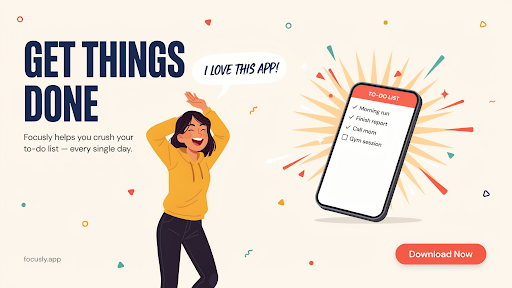
Not every social ad needs 3D.
If the message is about a discount, announcement, service benefit, app screen, quick tutorial, or simple comparison, 2D animation services may work better. 2D can be quicker to make, easier to test, and easier to adapt across multiple ad versions.
A flat animated graphic can explain a sale. A kinetic text ad can push an offer. A simple character animation can make a service feel more human. A 2D motion post can work well for lead-gen campaigns where the message matters more than product realism.
Use 3D when the product needs depth, movement, physical detail, texture, or a stronger visual hook.
Use 2D when the idea needs speed and clarity.
3D Helps When the Product Needs to Feel Tangible
Some products need more than a flat image.
A supplement bottle, furniture piece, electronic device, sneaker, luxury bag, skincare jar, food pack, machine part, medical product, or real estate concept may need to feel real before someone clicks.
That is where 3D animation services can make the product more tactile. The viewer can see the shape, material, size, texture, and movement. The camera can move around it. The product can open, rotate, assemble, explode into parts, or show what is normally hidden.
This matters because social ads have to compress the buying argument. The viewer may not read the caption. The product has to speak visually.
Not Every Ad Needs a Full Story
Some brands try to squeeze a whole campaign idea into one 15-second ad.
Problem. Founder story. Product features. Customer pain. Testimonial. Offer. CTA. All in one tiny video.
That becomes a mess.
Good brand storytelling videos for social media are usually built from small story moments. A frustrated user. A product solving one problem. A transformation. A repeated brand character. A simple before-and-after.
Social storytelling is not about saying everything. It is about making one moment clear enough that the viewer wants the next step.
For paid ads, the story should support the click. It should not bury the offer.
The Best Social 3D Ads Are Built for Testing
A single beautiful ad is not a strategy.
Paid social needs versions. Different hooks. Different first frames. Different CTAs. Different product angles. Different lengths. Different formats for Reels, Stories, Feed, YouTube Shorts, TikTok, and Facebook placements.
This is where planning matters. A 3D asset can be reused if it is built properly. One product model can become a six-second hook, a 15-second ad, a product loop, a story frame, a landing page visual, and a retargeting clip.
That is how brands get more value from production.
Build the Hook Before You Build the Scene
A social ad can look beautiful and still lose people in the first second.
That usually happens because the hook was treated like an afterthought. The team spends time on lighting, camera movement, product detail, and transitions, then opens the ad with something slow.
Bad move.
The hook should be decided early. Before the final render. Before the full scene. Sometimes before the full script.
For short-form animation for paid social, the first frame needs a reason to exist. A product should move, break, open, transform, fall, snap, splash, glow, twist, or reveal something quickly. The viewer should feel like something is happening before they even decide whether they care.
A strong hook does not need to explain everything. It only needs to buy the next few seconds.
Logo Motion Should Be Sharp, Not Slow
A logo reveal can help the ad feel branded. It can also waste the exact seconds the ad cannot afford to lose.
Use logo animation services carefully in paid social. A tiny logo movement at the end can work. A quick brand mark in the corner can work. A short animated stamp after the product shot can work.
A long logo intro usually does not.
People are not scrolling to admire the brand mark before they understand the product. Make the ad earn attention first. Then let the logo close the loop.
Think of the logo as the receipt, not the main meal.
Retargeting Creative Should Answer a Different Question
Retargeting should not show the same ad again with a slightly different caption.
That feels lazy.
If someone already watched the first ad or visited the landing page, the next 3D creative should move the conversation forward. Show a feature they missed. Show the product from a different angle. Show a use case. Show a quick comparison. Show the item in action instead of repeating the same hero shot.
This matters for animated video ads for Instagram because the platform is packed with repeated creative. People recognize a recycled ad quickly and scroll past even faster.
A first-touch ad can be broad. A retargeting ad should be more specific.
If the first ad says, “Here is the product,” the second should say, “Here is why it matters.”
Facebook Creative Needs Fewer Tricks and More Clarity
Facebook ads can still work well, but the creative needs to be direct.
The audience may be browsing groups, reading comments, checking marketplace posts, or watching casual videos. Your ad has to fit that environment without looking dull.
A strong 3D ad creative for Facebook campaigns should show the product benefit quickly and clearly. No mystery opener. No long suspense. No overdesigned frames that make the offer hard to read.
For example, a home product can show the problem first, then the product solving it. A supplement brand can show the capsule, ingredients, and benefit cue. A SaaS company can show a messy workflow turning into a cleaner process.
The frame should be easy to understand even without sound.
Use Competitor Ads as a Filter, Not a Template
Looking at ads in your category is useful, but copying the style is a trap.
The better approach is to study video marketing examples and ask sharper questions.
What did the ad show in the first second?
Was the product clear without sound?
Did the CTA appear at the right time?
Was the hook visual or just text?
Did the ad show one idea or five?
Could the same concept work in six seconds?
That kind of review gives you patterns without making your creative look like everyone else’s.
For 3D ads, this is especially important. If every competitor is using floating product shots and shiny backgrounds, do not make another version of the same thing. Find the visual moment they are missing.
Frequently Asked Questions
Why Does 3D Animation Work Well for Paid Social?
It helps brands show movement, product detail, impossible angles, and visual transformations quickly. That can help the ad stand out in a crowded feed.
How Long Should a 3D Social Media Ad Be?
Most paid social ads work best when they are short. Six to fifteen seconds is often enough for cold audiences. Longer versions can work for retargeting or product education.
Should Social Media Ads Use Sound?
They can use sound, but they should not depend on it. Many viewers watch with sound off, so the main message should be clear through visuals and short on-screen text.
Can One 3D Ad Work on Every Platform?
Not perfectly. The same idea can be adapted, but each platform may need different crops, lengths, hooks, captions, and CTA placement.
Final Words
3D animation for social media ads works when it respects how people actually scroll. Fast hook. Clear product. One visual idea. Strong payoff. Simple CTA.
The goal is not to make the fanciest ad in the feed. The goal is to make people stop long enough to understand the offer and click. Use 3D where product detail, motion, texture, or transformation can sell faster than a static image.
Keep brand motion short, build ads for sound-off viewing, and create versions for each platform instead of forcing one video to do every job.
Related Articles: