


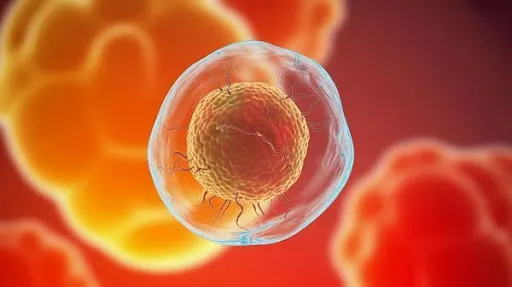
Most breakthroughs start with a moment of clarity. A single second where something complicated finally makes sense. In biomedical research, that moment often comes from seeing the inner life of a cell in motion. Not a flat diagram. Not a blurry microscope photo. A full, fluid, high-fidelity view of how the tiniest structures behave, react, and change.
This is the power behind 3D cell structure animation, and the reason researchers, clinicians, pharmaceutical teams, and educators now rely on it more than ever.
People want answers fast. Diseases move fast. Drug development is expensive and time-consuming. Teams are scattered across different fields. When everyone looks at the same detailed visual instead of pages of notes, progress becomes faster and more accurate. That’s why 3D cell structure animation has become a must-have tool, not a nice-to-have add-on.
For studios like Prolific Studio, this form of scientific storytelling is more than technical work. It shapes decisions in labs, helps teams validate treatment ideas, and gives investors a clear view of complex science. When done correctly, it brings structure, clarity, and confidence into a space filled with constant uncertainty.
[elementor-template id=”13845″]
Importance of 3D Cell Structure Animation in Biomedical Research
Inside every cell, tiny systems are constantly switching on and off. Proteins fold. Signals move across membranes. Mitochondria spark activity. The cytoskeleton shifts shape. These events create health. They also create disease. The challenge is seeing them in a way that makes sense.
Traditional visuals oversimplify. Microscopes alone can’t deliver clarity on transport pathways, receptor interactions, or organelle-level reactions. This is where 3D medical animations step in. They show processes in motion, with scale, lighting, and detail that make scientific ideas easier to understand.
- Researchers use cell structure animation to explain early drug behavior.
- Pharma teams use it to visualize how a compound reacts inside the cell.
- Educators use it to teach complex biology without overwhelming students.
- Biotech startups use it to pitch research to partners and investors.
The value comes from how clear the animation makes the unseen parts of biology.
The Core of 3D Cell Structure Animation
A strong animation doesn’t just show organelles floating around. It builds a scientifically accurate environment and tells a story based on the data provided. This is what clients expect from a professional animation studio like Prolific Studio.
Below are the main cellular structures that high-quality 3D medical animations usually highlight.
Cell Membrane in 3D Cell Structure Animation
The cell membrane manages the traffic. Molecules, proteins, and signals pass through it. Most drug candidates interact with this barrier first. 3D cell structure animation helps teams see:
- How compounds pass through lipid layers
- How membrane proteins shift shape
- How receptor binding happens at the surface
- How resistance starts inside cell walls
With receptor interaction animations, researchers can test ideas visually before moving to expensive wet lab studies.
Mitochondria in High-Fidelity Cellular Animations
Mitochondria do a lot more than produce energy. They respond to cellular stress, help trigger cell death, and react early when a compound becomes toxic. By showing mitochondrial behavior in motion, a 3D animation video can reveal:
- Early signs of stress
- Structural changes
- Shifts in metabolic activity
- Reactions to new drug compounds
This is a major advantage for pharma teams who need insights before running large-scale screenings.
Endoplasmic Reticulum in Detailed Medical Animations
Protein folding problems create many chronic and genetic diseases. The endoplasmic reticulum is at the center of these issues. Through interactive animation, you can show:
- How proteins fold and unfold
- How the ER responds to misfolded proteins
- How calcium levels shift inside the cell
- How pathways activate during disease progression
This helps teams understand the potential impact of therapy ideas on protein pathways.
The Nucleus in 3D Medical Animations
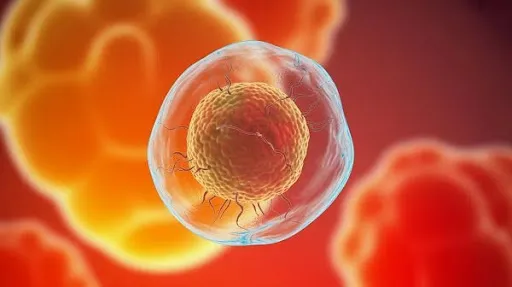
The nucleus controls gene expression, DNA repair, and replication. Modern therapies, including gene editing and personalized medicine, focus heavily on activities inside the nucleus. A well-produced animation shows:
- DNA packaging
- Gene activation
- RNA transcription
- Drug interaction inside the nucleus
For research teams, this level of clarity creates alignment and improves planning.
Cytoskeleton and Cell Movement
In 3D video animation in the USA, the cytoskeleton gives the cell its framework but also directs movement, transport, and division. These processes fuel tumor growth, metastasis, and developmental disorders. 3D cell structure animation brings these events to life:
- Microtubule assembly
- Actin filament movement
- Intracellular transport mechanisms
- Changes during tumor progression
With accurate coloring, lighting, and color grading, the complexity becomes easier to follow.
The Main Challenges 3D Cell Structure Animation Helps Solve
Research is not just about discovery. It’s about accuracy, alignment, and speed. Many obstacles slow down drug development and scientific studies. High-quality animations reduce that friction.
Low Visibility Inside Cells
Microscopes show structure but not true motion. Animation fills the gap by turning data into lifelike visuals. Teams get a better sense of:
- How a compound interacts with an organelle
- How disease pathways unfold
- How cellular resistance might start
- How treatment can be optimized
This clarity leads to better decisions early in research.
High Failure Rates in Drug Development
Drug candidates fail for many reasons. Poor targeting. Unexpected cell reactions. Hidden toxicity. 3D cell structure animation gives teams early insight into:
- Drug absorption
- Receptor binding
- Structural changes
- Toxicity patterns
By spotting issues early, research becomes more cost-efficient and focused.
Communication Gaps Within Research Teams
Biologists, chemists, clinicians, data scientists, and executives often understand data differently. Animations create a shared reference that everyone can follow. It becomes easier to:
- Discuss findings
- Present research
- Align strategies
- Secure funding
A single animation often replaces dozens of slides and technical documents.
How a Professional Animation Studio Helps With Medical Research
The quality of scientific visualization depends heavily on the studio behind it. A skilled team uses advanced 3D animation software, proven scientific workflows, and strong color grading to build accurate visuals. Prolific Studio brings:
- Accurate modeling
- Verified biological structures
- Smooth motion design
- Strong storytelling
- Custom visuals for pharma, biotech, and research teams
Clients receive animations shaped for their goals: research, fundraising, education, or product development.
How 3D Cell Structure Animation Strengthens Drug Discovery
Early Insights Before Lab Testing
Drug discovery involves long timelines and heavy financial risk. A single misstep in early testing can send an entire project off track. With 3D cell structure animation, teams gain clarity before running physical experiments.
They can see a drug’s path inside the cell, how it moves around an organelle, and how receptor binding takes place. These visuals give researchers the advantage of early pattern recognition.
A well-built animation can show potential benefits and hint at possible issues that might appear later in preclinical studies. By spotting these signals early, pharma teams stay more prepared and avoid blind spots. This is one reason companies now treat high-fidelity cellular animations as part of the research workflow instead of optional add-ons.
Mapping Out Drug-Cell Interactions
Drug molecules don’t always act the way teams expect. Some bind strongly. Some bind too weakly. Some trigger side effects inside healthy cells. Through detailed medical animations, researchers can watch these interactions unfold clearly. They see structural changes, transport delays, and how a drug affects more than one pathway at a time.
Animations that focus on receptor interaction help scientists understand why a specific compound might succeed or fail. Instead of guessing, they get a visual explanation that supports better decision-making.
The Role of Color Grading and 3D Animation Software in Scientific Accuracy
Why Visual Style Matters in Research Animations
Some people think scientific animation is all about content accuracy, but visual style also affects how clearly the message is delivered. Color grading helps guide attention to important structures so the viewer is not overwhelmed. Soft tones highlight supportive components. Stronger colors draw attention to active sites or critical reactions.
Studios like Prolific Studio rely on advanced 3D animation software that handles lighting, shading, and biological texture with precision. These tools make animations smooth and realistic, which improves understanding for teams who depend on these visuals for research, teaching, or clinical presentations.
Building an Environment That Matches Real Biology
Accuracy is the baseline. A professional animation studio must model organelles at the correct scale and create environments that behave like true biological systems. This includes membrane flexibility, molecular crowding, movement inside the cytoplasm, and realistic reactions to stress signals.
The more accurate the environment, the more useful the animation becomes. Researchers do not want guesswork. They want visuals that mirror the complexity of real cells while staying clear enough for every viewer to follow.
How 3D Product Video Animation Services Help Biotech Teams Present Ideas
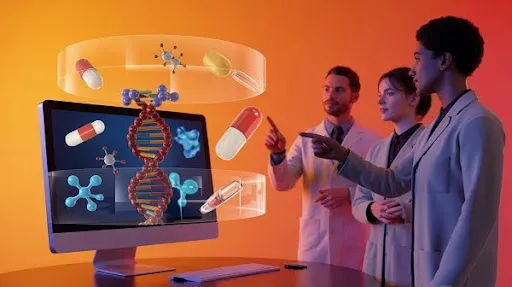
Clear Visuals for Investors and Stakeholders
Biotech startups often need to explain complicated mechanisms to people who may not have strong scientific backgrounds. Investors want confidence, not confusion. When teams use a 3D animation video to show how a therapy works, meetings become smoother.
Instead of long documents and technical graphs, a single animation can communicate:
- how the treatment acts inside the cell
- what makes it different from current options
- why it may work across certain conditions
- what the early data suggests
These visuals help secure funding, build trust, and move projects to the next phase.
Helping Teams Tell a Strong Scientific Story
Every therapy idea has a backstory. How it started. What it targets. Why it matters. 3D product video animation services turn those details into a narrative that scientists and non-scientists can follow. This helps companies position their research, share results, and build excitement around new findings.
Interactive Animation for Training and Education
Giving Students a Better Way to Learn Complex Biology
Students often struggle with dense textbook illustrations. Static diagrams can’t show timing, motion, or the true behavior of a cell. Interactive animation changes that. These tools let students see the processes unfold step by step. They can rotate structures, zoom into organelles, and follow pathways in a way that feels intuitive.
Medical video animation services create pieces that teachers use in classrooms, labs, and online courses. Students stay more engaged because the content feels alive. They’re not memorizing shapes on a page. They’re learning by watching things move and react.
Training for Medical and Pharma Teams
Training programs for new research staff, clinical workers, and internal teams often include cell behavior and drug mechanism lessons. Interactive animations offer a clear and consistent way to teach these topics. They remove confusion and ensure every learner receives the same high-quality explanation.
The Benefits of Medical Animation for Cross-Team Communication
Reducing Technical Misunderstanding
Teams that work on the same project can still interpret data differently. Biologists focus on pathway function. Chemists look at bonding patterns. Clinicians focus on patient implications. With 3D medical animations, these gaps shrink. Everyone looks at the same moving visual and understands the same message.
This alignment improves collaboration and shortens back-and-forth conversations.
Better Presentations Across Departments
Animations simplify presentations for internal meetings, conferences, and client briefings. Instead of dense slides, teams use a visual sequence that tells the scientific story clearly. This style of communication helps speed up decision-making.
Common Use Cases for 3D Cell Structure Animation
Pharma and Drug Development
- early-stage drug mechanism previews
- toxicity pathway visualization
- cellular resistance mapping
- receptor interaction demonstration
Hospitals and Medical Education
- patient education videos
- surgical training visuals
- disease progression explainer content
Research Labs and Academic Teams
- pathway demonstrations
- genetic mechanism visuals
- experiment planning support
Frequently Asked Questions
Is 3D animation only for large pharmaceutical companies?
Not at all. Smaller biotech teams, academic labs, and clinics also use these visuals for teaching, research, and fundraising.
How accurate are professional scientific animations?
Good studios model organelles using verified scientific data and review the animations with experts before final delivery. The goal is clarity without losing biological truth.
Can animations be customized to show a specific pathway or disease?
Yes. Professional animation studios build visuals around a client’s data, target, or mechanism. The animation reflects the exact process the team wants to highlight.
What software tools are used to create these animations?
Studios use advanced 3D animation software designed for scientific modeling, real-time lighting, and smooth motion design.
Final Words
3D cell structure animation has changed the way research teams study complex biology. It turns data into visuals that make sense, helps scientists explain ideas clearly, and gives decision-makers the confidence they need to move forward. Prolific Studio builds high-fidelity cellular animations that are accurate, clear, and tailored to each client’s goals.
If you want animations that boost research, support fundraising, strengthen presentations, or help explain your science, Prolific Studio is ready to help you build visuals that move projects forward.
Related Articles: