

That’s the lifespan Concord got as a paid, AAA multiplayer launch before Sony hit the brakes, pulled it from sale, and started issuing refunds. Servers were set to go offline starting September 6, 2024, right after release.
In gaming, players forgive a lot. Bugs get patched. Balance gets tuned. Content gets added. A rough start can still turn into a comeback story.
Concord did not get that story. It got a receipt.
So what happened? Not the lazy answers. Not the culture war noise. Not the “gamers are impossible” shrug.
The real reasons are more basic than that, and more painful.
[elementor-template id=”13845″]
Concord Had the Worst Possible Launch Signal
A launch is not just a release date. It’s a public vote. Players show up or they don’t. They stream it or they ignore it. They clip it, meme it, argue about it, love it, hate it.
Concord launched and the crowd wasn’t there.
Analysts estimated total sales around 25,000 units across PlayStation 5 and PC, with around 697 peak concurrent players on Steam.
Numbers like that don’t mean “slow start.” They mean “no oxygen.”
The Refund Move Told Everyone the Same Thing
Refunds can be consumer-friendly. They can also be a billboard that says: “This is not staying up.”
Sony didn’t just discount it. They didn’t just go quiet. They announced refunds and said they’d “explore options” to better reach players.
That message lands one way:
If you were thinking of buying, you stop.
If you already bought, you leave.
If you were on the fence, you walk away for good.
Live Service Needs Momentum on Day One
A single-player game can win slowly. A multiplayer live service can’t.
Because the product is not only the shooter. The product is matchmaking, community, clips, buzz, and friends texting, “Get on right now.”
When the base is tiny, the experience collapses fast. Queues get longer. Match quality drops. New players bounce. The content feels smaller than it is.
Concord didn’t just struggle. It stalled in public.
Concord Asked $40 in a Market Trained to Pay $0
Here’s the brutal truth. Players do pay for games. They also love free.
The hero shooter space has spent years teaching people a pattern:
- Download free
- Try it in 10 minutes
- Pay later for cosmetics, battle passes, and extras
Concord came in at $40 at launch.
That price is not “wrong” in a vacuum. It’s wrong in that exact aisle of the store.
The Pitch Was Not Strong Enough for a Paid Gate
If you charge $40, you need a clear reason in one sentence.
Something like:
- “This is the most insane movement shooter you’ve played.”
- “This has a mode no other game has.”
- “This is the new standard for team combat.”
Concord never owned a sentence like that in the public mind.
A lot of people said they barely knew it existed until it got pulled. That’s a marketing failure, and it’s also a clarity failure.
Competition Was Not Just Big, It Was Familiar
A new live service has to steal time from games players already treat like routine.
That means you’re not competing against “other shooters.”
You’re competing against habits.
Overwatch, Apex Legends, Valorant, Fortnite. These games aren’t only titles. They’re social spaces. They have content backlogs, creator scenes, and muscle memory.
Concord tried to walk into that room with a ticket price and no hype wave carrying it.
Concord Looked Like a Game You’ve Already Scrolled Past
Source: https://wallpapercave.com/w/wp14082766
This is the part that stings creative teams.
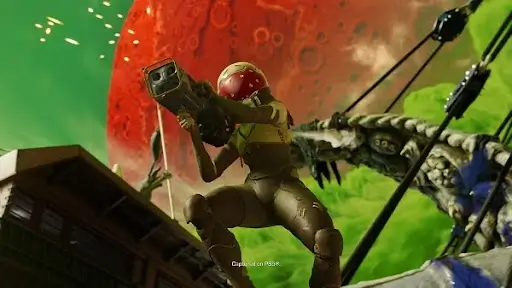
People decide fast. A thumbnail gets half a second. A trailer gets ten seconds. A character lineup gets one glance.
If your first look feels familiar, players move on. Not because it’s “bad.” Because it’s not urgent.
First Impressions Live or Die on Characters
In hero shooters, characters are the product.
The kit matters. The feel matters. The map design matters.
Still, most players enter through character appeal. They pick a main. They cosplay. They quote lines. They share fan art. They form identity around the roster.
When the cast doesn’t spark that, the game bleeds attention.
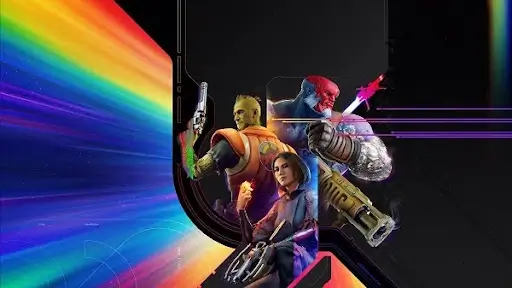
Some comments online dragged the character vibe as bland and lacking personality. That kind of public read is deadly for a hero shooter, since the cast is your marketing engine.
This is not about pronouns. Players don’t rage-quit a fun game because of a character bio. They quit because nothing grabs them fast.
Trailers Didn’t Create a “Must Play” Moment
This is where studios often underestimate what game trailers really do.
A trailer is not a summary. It’s a trigger.
It must create:
- curiosity
- instant tone
- clear stakes
- a reason to share it
If a trailer feels like “another team shooter,” it dies in the scroll.
At Prolific Studio, gaming trailer services are built around that reality. The goal is not to show everything. The goal is to make someone stop. A sharp hook. A clean read. A clear promise.
Concord needed a launch trailer that made people feel left out if they didn’t play. The market response suggests it never landed that punch.
Visual Identity Matters More Than People Admit
A lot of studios spend a fortune on systems and content, then treat presentation like a coat of paint.
Players treat it like the front door.
This links to 3D character modeling decisions, animation style, and even the 3D animation cost tied to revisions and reworks. If the look drifts, marketing assets drift with it. If the cast changes late, trailers get rebuilt. Key art gets redone. The spend goes up, and the message gets messy.
I’m not claiming that’s exactly what happened inside Concord. The outcome still shows what it looks like from the outside: a game that never communicated a crisp visual reason to care.
Concord Was Late to a Party That’s Already Tired
The live service gold rush has been running for years. Players have been through it.
They’ve seen games launch with big plans, then fade. They’ve watched roadmaps get delayed. They’ve seen seasons turn into chores.
So when a new paid live service appears, the default emotion is not excitement. It’s suspicion.
“Content Later” Is Not a Promise Anymore
Live service used to sell the future. Now players want proof in the present.
They want:
- strong modes on day one
- a roster that feels iconic now
- a reason to stick around this week
Concord launched into a market that no longer gives new live services patience.
Long Development Time Can Make a Game Feel Out of Date
Reports and commentary around the game point to a long build cycle before release.
That matters because trends shift fast in multiplayer.
What felt fresh years ago can feel safe today. Safe is invisible.
You can ship something competent and still lose, since competence is the minimum. Players want a reason to switch.
Concord Didn’t Fail Because It Was “Broken”
This is an important point.
A game can flop even if it runs fine. Even if the shooting feels okay. Even if maps are decent.
Flops happen when the market asks one question and the game can’t answer it:
“Why this, right now?”
Concord gave players a price tag, a familiar genre, and a roster that didn’t catch fire in the public imagination.
That combo is how launches disappear.
Concord Didn’t Give Players a Clear Reason to Switch
Source: https://wallpapercave.com/w/wp14082770
Players don’t quit a game they love. They quit the effort.
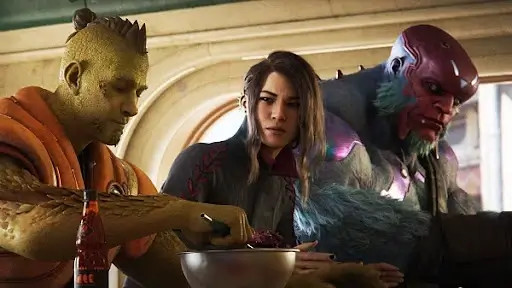
If the hook isn’t clear in the first few minutes, they go back to what already works. In 2024, Concord launched into a hero shooter space packed with free options, big communities, and years of content.
The “Competent Shooter” Pitch Does Not Sell
A lot of reactions landed in the same place: it looked fine, it played fine, but it didn’t feel urgent.
“Fine” is deadly in a genre built on obsession.
Players want a main. A vibe. A reason to clip moments and spam them in group chats. If your game feels like a mix of things they already play, the decision is simple.
Live Service Needs a Simple Promise
Live service games sell a habit.
That habit starts with one clear promise like insane movement, wild characters, or a mode that becomes the new standard. Concord never owned a single promise that spread wide enough to carry launch week.
Concord Had a Character Problem That Trailers Couldn’t Hide
Hero shooters live on faces, silhouettes, and personality.
The roster is your brand. Your poster. Your TikTok fuel.
When players look at a lineup and feel nothing, the game loses before matchmaking even starts.
Visual Read Matters More Than Lore
Most players don’t read character bios first.
They see:
- shape language
- color choices
- outfit style
- attitude in poses
- a face that feels like someone
If that first glance doesn’t hit, your “story” and “depth” don’t get a chance.
This connects straight to 3D character modeling. If the shapes feel safe, the whole cast feels safe. Safe does not start a fanbase.
Personality Has to Show Up in Motion
A still image can lie.
Animation does not.
That’s why game animation services are not a luxury. They are where personality becomes real. Idle animations, reloads, emotes, win poses. Those tiny choices make a character feel alive.
When studios treat animation like a checklist, the cast feels flat.
At Prolific Studio, we push personality early. You don’t wait until the end to “add charm.” If charm is missing at the start, the whole marketing cycle suffers.
Concord Collapsed So Hard It Took the Studio With It
This is the saddest part.
In October 2024, Sony announced it would close Firewalk Studios and permanently shut down the game.
When a studio dies with a game, it usually means the failure wasn’t small. It was structural.
The Lesson Is Not “Don’t Take Risks”
Risk is good.
Boring is the bigger threat.
The lesson is this: risk has to be readable. Players must understand it fast. They must feel it in the first trailer and the first match.
Concord Shows What Studios Should Do Differently
This isn’t about dunking on a team. It’s about learning.
Here’s what prevents this kind of flop.
Lock Your Visual Identity Early
Build a character bible early and protect it.
That includes:
- shapes and silhouettes
- color rules
- personality notes
- animation style rules
- do-not-break design limits
A strong 3D animation studio pipeline keeps the look consistent. Consistency makes marketing easier. Marketing brings players.
Treat Trailers as Part of Development, Not a Finish Line
Game trailers should not be an afterthought.
Plan them like content products:
- a hook trailer that sells the idea
- a character trailer set that sells the cast
- a gameplay trailer that sells feel
- short cuts for social
That’s where the best animation studio mindset helps. You’re not making “ads.” You’re building demand.
Match the Business Model to the Genre
If your genre is crowded with free options, a paid entry needs a jaw-dropping reason.
No jaw-drop means no switch.
Frequently Asked Questions
How many players did Concord have on Steam?
SteamDB shows an all-time peak of 697 concurrent players on August 23, 2024.
Did Concord really sell only 25,000 copies?
Multiple reports and analysts estimated sales under 25,000 units across platforms.
How much did Concord cost to make?
Reporting tied to Kotaku sources said the initial development deal was “just over” $200 million and the total exceeded that figure.
Is Concord coming back?
Sony later shut down Firewalk Studios and permanently canceled the game, which strongly suggests it will not return.
Final Words
Concord didn’t flop because players hate new games. It flopped because it launched without a loud reason to care, asked for money in a free-first genre, and didn’t create a character lineup people wanted to follow.
If you’re building a game, the fix is not more features. The fix is clarity. Strong identity. Trailers that punch through the scroll. Characters that feel like someone.
Prolific Studio helps teams do that with game animation services, 3D character modeling, game trailers, and even 2D animation studio support when you want a bold style shift. If you want your next reveal to look like a real launch moment, reach out. We’ll help you build the kind of first impression players don’t skip.
Related Articles: