

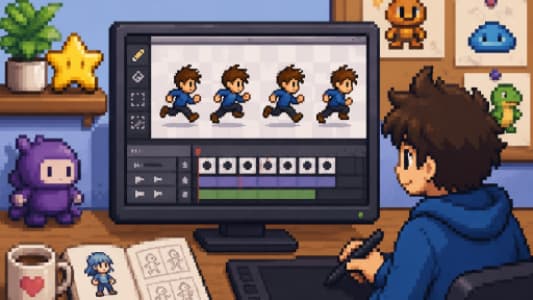
Pixel art animation has made a powerful comeback in modern digital entertainment. From indie video games and mobile applications to animated advertisements and nostalgic brand campaigns, pixel art continues to capture audiences with its unique visual charm. Unlike traditional animation styles that rely on highly detailed artwork, pixel animation uses carefully designed pixels, limited colors, and creative movement techniques to tell engaging stories.
Creating a pixel art animation may seem challenging at first, especially for beginners who are unfamiliar with animation principles. However, with the right workflow, tools, and understanding of basic techniques, anyone can start creating impressive pixel animations.
At Prolific Studio, we understand that animation is not only about movement but also about storytelling, creativity, and connecting with audiences. Whether it is a modern 2D animation project, character animation, or a unique pixel-style visual experience, professional animation requires a balance between artistic design and technical execution. Our 2D Animation Services help businesses transform ideas into engaging animated content through creative storytelling, character development, motion design, and professional production workflows.
In this guide, we will explain how to easily create pixel art animation, the tools you need, important animation techniques, and how businesses can use pixel animation to create memorable digital experiences.
What Is Pixel Art Animation?
Pixel art animation is a style of digital animation where images are created using individual pixels as the main visual elements. Each pixel works like a tiny building block that forms characters, environments, objects, and movements.
Unlike modern 3D animation or high-resolution 2D animation, pixel animation intentionally uses a lower resolution aesthetic. This limitation creates a unique artistic style where every pixel placement matters.
Pixel art animation is commonly used in:
- Video games
- Mobile applications
- Social media content
- Brand campaigns
- Animated advertisements
- Educational animations
- Retro-inspired digital experiences
The popularity of pixel animation comes from its ability to create emotional connections. A simple character made from a small number of pixels can still express personality, movement, and storytelling when designed properly.
Why Is Pixel Art Animation Popular?
Pixel animation has become popular because it combines simplicity with creativity. In a world filled with highly realistic graphics, pixel art offers something different: personality and visual identity.
1. Nostalgic Visual Appeal
Many audiences associate pixel art with classic games from earlier gaming generations. This nostalgic feeling creates an emotional connection, especially among audiences who appreciate retro-inspired designs.
Brands often use pixel animation because it creates a memorable visual style that stands apart from ordinary digital content.
2. Easier Production Compared to Complex Animation
Pixel art animation requires fewer visual details compared to realistic animation styles. Artists can focus more on movement, timing, and storytelling rather than creating extremely detailed assets.
However, simplicity does not mean easy. Creating professional pixel animation requires strong knowledge of:
- Animation principles
- Character design
- Timing
- Visual storytelling
- Color composition
3. Perfect for Digital Platforms
Pixel animations work extremely well across online platforms because they are lightweight and visually attractive.
They can be used for:
- Website animations
- Social media posts
- Product demonstrations
- Interactive experiences
- Gaming content
Step-by-Step Guide: How to Easily Create Pixel Art Animation
Step 1: Decide Your Animation Concept
Before opening any animation software, define what you want to create.
Start by asking:
- What is the purpose of the animation?
- Who is the audience?
- What character or object will be animated?
- What emotion should the animation communicate?
For example:
A gaming company may create a pixel character running through a fantasy world.
A technology brand may create a pixel-style mascot explaining a product.
A marketing campaign may use pixel animation to create a unique social media advertisement.
A clear concept makes the animation process much easier because every design decision will follow the original idea.
Step 2: Choose the Right Pixel Art Style
Pixel animation can have many different styles. Selecting the right style helps maintain consistency throughout your project.
Some popular pixel art styles include:
Classic 8-Bit Style
This style uses very limited colors and simple shapes inspired by early video games.
Characteristics:
- Small resolution
- Simple characters
- Minimal details
- Strong nostalgic feeling
16-Bit Style
A more advanced pixel style with:
- More colors
- Better character details
- Smoother movements
- Richer environments
Modern Pixel Art
Modern pixel animation combines traditional pixel techniques with contemporary design.
It may include:
- Detailed backgrounds
- Advanced lighting effects
- Smooth character movement
- Cinematic camera effects
Choosing the right style depends on your audience and project goals.
Step 3: Select Pixel Art Animation Software
The right software can make the animation process much easier. Beginners should choose tools that provide simple drawing features and animation timelines.
Popular pixel animation tools include:
Aseprite
Aseprite is one of the most popular tools among pixel artists and game developers. It provides:
- Frame-by-frame animation
- Sprite editing
- Layer management
- Pixel-perfect drawing tools
Photoshop
Adobe Photoshop can also be used for pixel animation. It provides advanced editing features and animation timelines.
Procreate
For artists using tablets, Procreate offers a simple drawing experience with animation capabilities.
Piskel
Piskel is a beginner-friendly browser-based pixel animation tool. It is useful for creating simple sprites and animations.
The software you choose depends on your experience level and project complexity.
Step 4: Create Your First Pixel Character
Character design is one of the most important parts of pixel animation.
Start with a basic character structure:
1. Create a Simple Shape
Begin with basic forms:
- Head
- Body
- Arms
- Legs
Avoid adding too many details initially.
2. Choose a Limited Color Palette
Professional pixel artists usually work with limited colors.
A good palette includes:
- Main character color
- Shadow color
- Highlight color
- Background colors
Too many colors can make pixel art look inconsistent.
3. Add Personality
Even a small pixel character needs emotion.
You can create personality through:
- Facial expressions
- Body posture
- Movement style
- Character proportions
Step 5: Understand Frame-by-Frame Animation
Pixel animation usually follows a frame-by-frame approach.
Each frame represents a slightly different position of the character or object.
When these frames play quickly, the viewer sees movement.
For example, a walking animation may include:
Frame 1:
Character standing normally.
Frame 2:
One leg moves forward.
Frame 3:
Body shifts position.
Frame 4:
Second leg moves forward.
Frame 5:
Character returns to the starting position.
The smoother the transition between frames, the more natural the movement appears.
Step 6: Learn the Basic Principles of Pixel Animation
Even though pixel art uses simple visuals, professional animation still follows the same fundamental principles used in traditional animation. Understanding these principles helps create smoother and more engaging movement.
1. Timing and Spacing
Timing controls how fast or slow an action happens.
For example:
- A fast-running character needs fewer frames between movements.
- A slow-moving object requires more frames to create smooth motion.
Spacing controls the distance between each movement. When spacing is carefully planned, animations feel more natural.
A character jumping, for example, should not move upward at the same speed throughout the entire action. The movement should include:
- Faster motion during the jump start
- Slower movement at the highest point
- Faster movement while landing
These small details make pixel animations feel more realistic.
2. Squash and Stretch
Squash and stretch create a sense of weight and energy.
For pixel animation, this technique can be used in simple ways.
Examples:
- A bouncing ball becomes slightly wider when it hits the ground.
- A character compresses before jumping.
- A facial expression changes by adjusting pixel shapes.
Even small adjustments can make a simple pixel character feel alive.
3. Anticipation
Anticipation prepares the viewer for an upcoming action.
For example:
Before a character runs:
- The character moves backward slightly.
- The body lowers.
- The legs prepare for movement.
This small preparation makes the next action easier to understand.
4. Follow Through and Overlapping Motion
Objects do not stop moving instantly.
For example:
When a pixel character stops running:
- Hair may continue moving.
- Clothing may shift slightly.
- Arms may continue swinging.
Adding these small details creates smoother and more professional animation.
Step 7: Create Pixel Animation Backgrounds
A great pixel animation is not only about characters. Background design plays an important role in storytelling.
Pixel backgrounds can include:
- Landscapes
- Buildings
- Digital environments
- Fantasy worlds
- Product scenes
- Brand environments
When designing backgrounds, focus on:
Visual Balance
The background should support the main subject instead of distracting viewers.
Color Harmony
Use colors that match your character and overall animation mood.
Layer Separation
Professional pixel artists often separate backgrounds into multiple layers:
- Sky layer
- Environment layer
- Objects layer
- Foreground layer
This makes animation and camera movement easier.
Step 8: Add Effects to Improve Your Pixel Animation
Small effects can significantly improve the quality of pixel animations.
Some popular pixel effects include:
Lighting Effects
Adding highlights and shadows can create depth.
Examples:
- Sunlight effects
- Neon lighting
- Fire glow
- Magic effects
Particle Effects
Particles make scenes more dynamic.
Examples:
- Dust movement
- Rain
- Sparks
- Smoke
- Falling leaves
Camera Movement
Pixel animations can become more cinematic with:
- Zoom effects
- Side scrolling
- Camera shakes
- Scene transitions
These techniques are commonly used in professional game animations and digital storytelling.
Step 9: Export Your Pixel Animation Correctly
Once your animation is complete, choosing the correct export format is important.
Common formats include:
GIF
Best for:
- Social media posts
- Website animations
- Simple loops
Advantages:
- Easy to share
- Small file size
- Works on many platforms
MP4 Video
Best for:
- Marketing videos
- Advertisements
- Presentations
Advantages:
- Higher quality
- Supports sound
- Professional appearance
Sprite Sheets
Commonly used in game development.
A sprite sheet combines multiple animation frames into one image file.
It helps developers integrate animations into:
- Games
- Apps
- Interactive platforms
Step 10: Test Your Pixel Animation
Before publishing your animation, review it carefully.
Check:
Movement Quality
Ask:
- Does the character move naturally?
- Are transitions smooth?
- Are frames consistent?
Visual Quality
Check:
- Are pixels aligned properly?
- Are colors consistent?
- Are there unnecessary details?
Performance
Make sure:
- File size is optimized.
- Animation loads quickly.
- Quality remains high.
Testing helps identify small mistakes that can affect the final result.
Common Mistakes Beginners Make in Pixel Animation
Creating pixel animation looks simple, but beginners often face several challenges.
1. Using Too Many Colors
One common mistake is adding excessive colors.
Professional pixel art usually depends on controlled color palettes.
Too many colors can make the animation look messy and reduce the pixel art style.
2. Creating Too Much Detail
Beginners often try to add details too early.
A better approach is:
- Create the basic shape.
- Animate the movement.
- Add details afterward.
Movement and storytelling are more important than unnecessary details.
3. Ignoring Animation Timing
A technically correct animation can still feel unnatural if the timing is wrong.
Good animation requires understanding:
- Speed
- Rhythm
- Movement flow
4. Making Characters Too Complex
Small pixel characters have limited space for details.
A successful pixel character usually has:
- Clear silhouette
- Recognizable features
- Strong colors
- Simple design
How Businesses Can Use Pixel Art Animation
Pixel animation is not only useful for games. Today, brands use creative animation styles to attract attention and improve audience engagement.
Some business applications include:
1. Marketing Campaigns
Brands can use pixel animation to create unique advertisements that stand apart from traditional marketing content.
Examples:
- Animated social media campaigns
- Promotional videos
- Brand storytelling content
2. Product Demonstrations
Pixel animation can simplify complex ideas.
Businesses can use animated visuals to explain:
- Product features
- User experiences
- Digital services
3. Mobile Applications
Apps can use pixel animations for:
- Loading screens
- User interfaces
- Character guides
- Interactive experiences
4. Educational Content
Pixel animation can make learning more engaging.
Educational brands can use animation to explain:
- Technology concepts
- Science topics
- Historical events
- Training materials
Why Professional Animation Services Matter
Although pixel animation can be created by beginners, professional animation requires experience, creativity, and technical knowledge.
A professional animation studio understands:
- Story development
- Character design
- Visual communication
- Animation principles
- Audience engagement
At Prolific Studio, our team creates customized animation solutions designed around each brand’s goals. From concept development and storyboarding to character creation and final production, we help businesses create animations that communicate ideas effectively.
Our 2D Animation Services combine artistic creativity with professional animation techniques to deliver engaging visual experiences for brands across different industries.
Whether you need character animation, explainer videos, marketing animations, or unique animated content, our team focuses on creating visuals that connect with audiences and strengthen brand identity.
Future of Pixel Art Animation
Pixel art animation continues to evolve as technology improves. While the style originated from early digital graphics, modern creators are combining pixel art with advanced animation techniques.
Future trends include:
- Pixel animation combined with AI tools
- Interactive pixel experiences
- Animated brand characters
- Hybrid 2D and pixel animation styles
- More use in digital marketing
The demand for unique visual content continues to grow, and pixel animation provides brands with a creative way to stand out.
Final Thoughts
Creating pixel art animation becomes easier when you understand the basics of design, movement, and storytelling. The process starts with a simple idea, followed by character creation, frame-by-frame animation, and careful attention to timing and details.
While pixel animation has a simple appearance, creating professional-quality results requires creativity and technical expertise. Every pixel contributes to the final story, making planning and execution extremely important.
For businesses looking to create memorable animated content, working with an experienced animation studio can transform ideas into powerful visual experiences.
At Prolific Studio, we help brands bring concepts to life through professional animation solutions, including creative 2D Animation Services designed to engage audiences and communicate messages effectively.
Whether you are creating a game, marketing campaign, educational project, or branded animation, pixel art offers endless creative possibilities. With the right approach, even a small collection of pixels can tell a powerful story.