

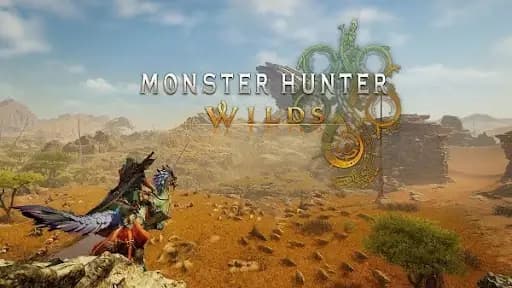
The first time Monster Hunter Wilds flashes across your screen, it does not look like it is trying to show off. It looks like a place with rules. Light hits dust the way you expect. Fur catches the sun, then drops into shadow. That grounded feel is not luck. It is Capcom building its own tools, then pushing them hard.
The tool is RE Engine, Capcom’s in-house engine. It began as the tech base for Resident Evil 7 and later became the backbone for many Capcom releases, including Monster Hunter Wilds.
[elementor-template id=”13845″]
The Quick Answer People Keep Searching For
What Engine does Monster Hunter Wilds Use?
Monster Hunter Wilds runs on Capcom’s proprietary RE Engine.
That choice shapes the look of the game, from lighting to creature detail to how much action can happen on screen at once.
Why an In-House Engine Changes the Visuals
When a studio owns the engine, it owns the priorities. If artists need better skin shading, the engine team can build it. If designers want bigger creature groups, the engine team can tune the systems around that need. Capcom’s teams can also work directly with engine engineers across projects, so improvements carry forward instead of resetting each time.
Third-party engines can look great, too. The trade-off is control. You wait for updates or you work around limits. Capcom prefers direct control.
This is also why a strong video animation agency keeps a repeatable production pipeline. The pipeline is not “extra.” It is how quality survives deadlines.
What RE Engine Actually Controls
RE Engine is Not Just “Graphics”
A great look is not only about textures and light. It is how the full scene holds together while it moves.
Wilds has wind, storms, and shifting visibility. You have large creatures, small creatures, and riders crossing the frame. You have gear materials that react differently to sun, shade, and firelight. The engine has to keep those pieces consistent so the scene feels like one whole thing.
RE Engine was built for tight, detailed environments first, then stretched across very different kinds of games over time. That history matters. Capcom knows how to make details readable.
Lighting And Materials That Make Wilds Look Real
Lighting That Sells the Mood Without Yelling
The lighting in Wilds does quite work.
Daylight is harsh in open areas, then softens as dust builds in the air. Shadows are not flat blobs. Reflections on metal shift with angle and distance, so armor feels like it sits in the scene.
Because Capcom owns the engine, the studio can tune lighting and materials as a pair. Artists can ask for a new material response, then see it working across many assets without rebuilding everything.
Materials And Textures That Feel “Touched,” Not Painted On
Look at a hunter’s outfit in Wilds. You can tell the difference between leather, cloth, and plated parts. You can see wear and grime.
That is not about higher resolution alone. It is about material rules. Rough surfaces scatter light. Smooth surfaces reflect it. Edges catch highlights. When the engine handles those rules cleanly, artists can focus on taste.
Capcom often lands in a sweet spot where stylized choices still feel believable. It is a big part of the game art styles people remember from the studio’s best work.
Creatures That Hold Up Under Motion

Creature Detail That Still Reads In Motion
Monster Hunter creatures have always been the main event. Wilds pushes that by making skin, fur, feathers, and scales react under changing light and weather.
The hard part is motion. Bad shading and cheap fur tricks show up fast once the camera starts moving. RE Engine has years of character rendering work behind it across other Capcom titles, and Wilds benefits from that shared base.
Small Details That Add Up
- Fur that stays stable when the camera pans
- Scales that catch highlights, then lose them as the body rolls
- Cloth that keeps volume instead of turning into a flat sheet
Scale Without Visual Mess
More Action On Screen Without Turning Messy
Capcom has said one of the goals in Wilds was letting groups of the same large monster appear together, then letting players target an “alpha” inside that group.
That kind of scene stresses animation, artificial intelligence updates, collision checks, debris, and camera clarity. If the engine can’t keep up, the game drops frames or becomes visual noise. The fact that Wilds can stage these moments points back to the engine and how Capcom can tailor it for the series.
Effects That Stay Readable
When sparks, dust, and monster breath fill the screen, it is easy to lose the target. Wilds keep effects tied to the action, not sprayed everywhere. That takes discipline from artists and support from the engine. Good VFX in games is not only pretty. They point your eyes to the hit, the dodge window, the danger.
Bigger Maps, Better Flow
A Bigger Map is Useless If It Feels Empty
Size does not impress by itself. Density does.
Wilds aims for spaces that feel lived in, with creatures moving in patterns and weather shifting the tone of the same area. Capcom has also described its approach as making play flow more naturally, without getting hung up on big labels for structure.
If the scene has more moving life, lighting, and material, rules must stay stable across all of it. If not, the illusion breaks.
The Release Dates That Set Expectations
Monster Hunter Wilds released on PlayStation 5, Xbox Series X|S, and PC on February 28, 2025, with open beta testing in mid-February 2025.
Players saw the visuals early. That put pressure on Capcom to make the look hold up in real play, not just marketing clips.
The Camera-Truth Test And Why Wilds Holds Up
Lots of games look perfect in a still shot. Then you start moving, the camera swings, dust fills the frame, and the polish slips. Monster Hunter Wilds keeps its look while everything is in motion. That is the part people notice, even if they do not say it out loud.
Capcom can do that because RE Engine is built around real play, not marketing frames. It keeps lighting stable, makes materials behave the same across scenes, and gives the team room to push big moments without the image turning into mush.
Clear Action is Not a Bonus, It is the Plan
Fast combat needs clean reads. Players must spot the target, read the wind-up, then react. Wilds protects that clarity.
You see it in small choices. Big creatures keep a strong outline at mid-range. Attacks start with readable body language. Impact effects frame the hit instead of hiding the monster. That discipline is the difference between “pretty” and “playable.”
Herd Scenes Push the Engine Harder Than a Boss Arena
Wilds play with groups of the same large monster moving together, with an alpha inside the pack. That idea sounds simple until you build it. Many bodies mean more animation updates, more collision checks, more pathing, and more chances for the frame rate to fall apart.
This is where Capcom owning the engine matters. Designers can tell the engine team what they need early. Engineers can build features that fit Wilds instead of forcing Wilds to fit a generic template. The result is chaos; you can still read.
Weather That Adds Mood Without Blocking the Fight
Wilds uses shifting conditions like dust haze, wind, and bright sun to change the feel of a place. The trick is restraint. The mood comes in, then steps back when combat needs clarity.
Great effects teams work like good editors. They know when to add texture and when to keep the frame clean. Wilds feels controlled, not messy. If you cut trailers, this is a rule worth stealing. The atmosphere is great. The subject still comes first.
Seikret is a Camera Tool As Much As a Travel Tool
The Seikret is not only there to move faster. It smooths navigation across huge areas and tricky terrain. It also makes camera movement feel steady, so the space stays believable while you travel.
That steady motion helps the presentation too. When movement is stable, you can hold shots longer. You can show scale without relying on constant cuts. This is one reason Wilds looks “expensive” even during normal play.
Animation That Tells the Truth
Monster Hunter combat lives on timing. If animation feels vague, players feel cheated. Wilds keeps its timing readable by making the start of big moves distinct and by matching impact to weight.
The detail sits on top of strong forms. Fur, scales, cloth, and armor add flavor. The body shape still carries the message. That is a smart trade. Details should support the read, not replace it.
Effects That Guide Your Eye
When a monster hits the ground, you still need to see direction and distance. Wilds uses dust, debris, sparks, and streaks to point you at the contact, then it clears the frame again.
It is the same logic we use in Prolific Studio’s game trailer services. Effects are part of the shot plan. If an effect blocks the subject, it failed, even if it looks cool. The best VFX is helpful. It makes the moment easier to understand.
Tooling Matters More Than Most Players Realize
An engine is not only what runs the game. It is also the tools artists use every day: lighting controls, preview modes, animation rigs, and asset checks. When tools are tuned for the team, quality becomes repeatable.
You can see that repeatability in Wilds. Materials stay consistent across gear. Lighting stays consistent across cutscenes and play. The game does not feel like a mix of styles stitched together.
This is also why brands pick a 3D video animation studio instead of juggling random vendors. Shared tools plus shared taste equals fewer surprises.
What Wilds Teaches Anyone Making Trailers And Cinematic Content
Wilds is a good reminder that “nice visuals” are built from rules, not luck.
- Start every scene with a readability pass: outline, contrast, camera path.
- Keep impacts honest: weight, timing, and reaction.
- Tie the camera to the subject: show the right thing, not everything.
- Let the environment react: dust lifts, cloth shifts, water ripples.
These are basic ideas. The hard part is applying them across hundreds of scenes. Capcom’s engine and pipeline make that possible.
Why This Matters For Marketing Too
When the base game looks strong, marketing can rely on real footage and still look premium. You can hold longer shots. You can show close-ups. You do not need to hide behind jump cuts.
That is why game trailers keep getting more cinematic. Viewers expect polish. They also expect honesty. A trailer should feel like the game, not a different product.
Prolific Studio supports teams who want that balance. Our game animation services cover character action, cinematic scenes, and trailer-ready shot design. You bring the vision and the constraints. We bring the craft and the pipeline.
Frequently Asked Questions
Why does a proprietary engine help visuals?
A proprietary engine lets the studio control priorities. Teams can build features that match the game’s needs, then keep visuals consistent and optimized across the full project.
Is RE Engine only for Resident Evil games?
No. RE Engine started with Resident Evil 7, then expanded into other Capcom titles across different genres. Monster Hunter Wilds is part of that expansion.
Do better graphics always mean Better gameplay?
No. Better graphics help when they improve clarity. In Wilds, lighting, animation, and effects support timing and target reads during combat.
Why do Wilds scenes feel more “alive” than older entries?
Wilds mixes reactive effects, shifting conditions, and dense creature activity. The key is that the look stays stable during movement, so the scene feels coherent instead of noisy.
Final Words
Monster Hunter Wilds looks this good because Capcom treats visuals like a system. RE Engine gives the team control, consistency, and room to scale up action without losing clarity.
If you want trailer or cinematic work that hits the same standard, Prolific Studio can help. Share your launch plan, your target platforms, and a few references. We will shape a clear approach, build the shots, and deliver a cut that people want to replay.
Related Articles: