



When you search for unblocked movies, you are usually not seeking for a scam. You’re asking a practical question: “What can I do on this network that won’t get me flagged, bombarded with popups, or trapped behind a firewall?” This session stays in the permitted lane, which means no bypass tools, pirate mirrors, or advice that might get students or staff in trouble.
Most people start here because they want to watch movies online during a break, in a media class, or on a guest network that blocks half the web.
What “Unblocked” Should Mean and What It Should Not Mean
The proper use of unblocked movies is simple: content that loads because it’s approved, licensed, or low-risk on that network, not because you found a workaround.
If a site is “unblocked” only when you jump through weird hoops, that’s a warning sign. Anything that asks you to install a player, enable notifications, or “verify” with an extension is not a harmless shortcut. It’s usually the start of a bad day.
Why Schools and Workplaces Block Movie Sites
Filters are often blunt. They block for bandwidth, productivity, and security. Video sites are common malware delivery points because ads and fake buttons are easy to weaponize.
It’s also a compliance issue. Schools and employers do not want copyrighted streams running through their networks without clear rights or approved vendors. That’s why “it works at home” is not the same as “it’s allowed here.”
The Safer Alternatives That Work
When people say platforms for unblocked movies, the safest interpretation is “sources that are already trusted by institutions.”
The most reliable sources are ordinary for a reason: public libraries, school portals, and genuine archives. They are less likely to be stopped since they constitute a less serious threat.
Library Streaming Is the Quiet Power Move
If you have a library card, you may already have access to legal unblocked movies through library-supported streaming partners.
Libraries are built for this. They negotiate access, they use straightforward logins, and they tend to host content that won’t trigger aggressive filters. If you’re a student, a parent, or a teacher, this is often the fastest “works without drama” route.
Public Domain Works Because Nobody Can Argue With It
For networks that block most entertainment sites, copyright-free movies are the cleanest option.
Public domain catalogs are not going to have the newest theatrical releases, but they’re excellent for film history, early animation, classic horror, and foundational cinema. They are also the least likely to carry the shady ad ecosystem that gets sites blocked in the first place.
School and District Portals Are Designed for Classrooms
If you’re an educator, your most viable choice is streaming movies for educational use using equipment that your institution currently pays for.
This is where you’ll find documentaries, curriculum-aligned films, and teacher-ready licenses. It also keeps you out of licensing gray areas. If a student asks “why can’t we just use a random free site,” this is the answer: schools need predictable access and clear rights.
How to Tell a Safe Source in 15 Seconds
When your goal is to access safe unblocked movies, use a quick checklist before you click play.
Look for evident branding, a credible About page, a clear login path, and a player that works properly. If the page has pop-ups, tries to redirect you, or hides the real play button behind adverts, exit immediately. If it looks like a trap, it is.
Educational Use That Adds Value
A movie day with no structure is just downtime. A movie clip with a purpose can be a lesson that sticks.
This is where science-based movies may aid, especially when used as case studies by teachers. Watch a small portion, pause, and consider what the film accomplished well, what it simplified, and what it exaggerated for storytelling purposes.
This strategy keeps the audience interested and avoids the “we watched something, but nobody learned anything” problem.
Why People Prefer Film for Certain Topics
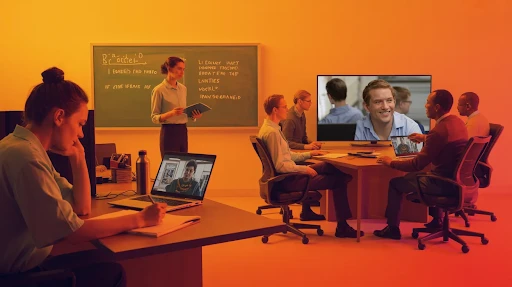
The immersive power of movies is why they show up in classrooms and training rooms at all.
Fear, decision-making, prejudice, leadership, cooperation, and cause-and-effect may all be made more real by a compelling setting. It’s also why people remember a single sequence for years, even if they forget the chapter they read the same week.
Animation Content Is Often Easier to Approve Than Live Action
A lot of students start their search because they want to watch comfort animation at school. A compiled list of the finest animated films might be useful for clubs, media classes, or end-of-term reviews.
Animation also provides teachers with an easy topic for discussion: frame, timing, acting, music, and visual narrative. It’s craft-forward, which makes it easier to justify than “we watched a movie because we felt like it.”
Short Episodes Fit Real Schedules Better
If you only have 25–40 minutes, the best animated TV shows can be the smarter pick over a full feature.
A single episode can have a complete arc, a clear theme, and enough craft to analyze without splitting a movie across three days. It’s also easier to build a discussion prompt around one episode than around a half-finished film.
Familiar Characters Are Useful, But Not a Free Pass
Recognizable names help. Famous cartoon characters can keep younger students focused, and they can help a club session feel welcoming.
Still, the platform matters more than the title. A safe source with clear rights beats a “free” link every time, even if the free link has the exact movie everyone wants.
A Production Perspective on Why This is Crucial
At Prolific Studio, we see what happens when viewing is unreliable. A client cannot judge storytelling if the playback is broken. A teacher cannot teach if half the class is troubleshooting.
That’s true whether the content is educational or entertainment. Clean access protects the experience, and the experience is the whole point.
The Marketing Lesson Hidden Inside This Topic
A good trailer is a lesson in attention. Teams that sell game trailer services focus on clarity because you only get a few seconds to earn a viewer.
That same clarity mindset applies here. The safest “unblocked” choice is the one that loads cleanly, plays smoothly, and does not hijack the viewer with ads.
Why Game Content Gets Discussed in the Same Breath
A lot of students are not searching for movies at all. They’re searching for cutscenes, compilations, and official channels. If your school allows certain video platforms, that’s often where the best material lives.
This is where game animation services become relevant as a discussion topic, because students can analyze acting, timing, camera language, and story beats without needing a full feature film.
Why Review Links Matter in Modern Teams
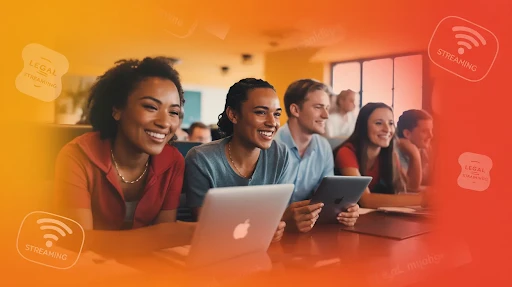
Workplaces often block random video hosts but allow approved tools for review and collaboration. That’s why teams rely on controlled delivery instead of “here’s a sketchy link.”
The same principle shows up in 3D video animation services workflows, where approvals depend on stable playback and secure sharing, not on whatever happens to load today.
What to Do When a Site Is Blocked and You Need an Allowed Option
If you hit a block page, don’t go hunting for “mirror” links. That’s where malware and policy problems start.
Do this instead:
- Try a different approved source (library portal, school portal, public domain archive).
- Switch to the official app if your school device allows it.
- If you’re in a school or group, check with the librarian or media specialist for the approved catalog list.
- If there is a one-time requirement (a specific title for a lecture), seek a whitelist from IT along with a clear justification and time frame.
A Simple Whitelist Request Message You Can Copy and Send
For students (keep it short):
Subject: Request to Allow a Streaming Site for Class Use
Hi IT Team, I’m trying to access a film assigned for class. Could you allow access to [site name] on the school network? It’s for [class name] with [teacher name]. Thanks.
For teachers (more complete):
Subject: Request to Allow Site for Classroom Viewing
Hi IT Team, I’d like to use [platform name] for a classroom lesson on [topic]. Date: [date]. Time window: [start to end]. Content type: [documentary/film clip]. Please whitelist [domain] for student devices on our network if possible. Thanks.
For workplace teams (HR-friendly):
Subject: Request to Allow a Streaming Domain for a Team Session
Hi IT Team, we have a scheduled team session on [date/time] and need access to [platform name] for a pre-selected title. Could you allow [domain] for that time window? Thanks.
These requests work because they’re specific. IT can say yes or no quickly.
Teacher Checklist for Showing Films Without Chaos
If you’re putting a title on in a classroom, the goal is “one click, no surprises.”
- Confirm the source works on the school network before class starts.
- Test audio on the exact device and room setup you’ll use.
- Keep a backup plan ready (a short clip from an approved source, or a different title).
- If you’re using a clip for analysis, write two questions on the board before you press play.
- Pause once mid-clip for a 30-second check-in so students don’t drift.
A movie can be educational, but only if you steer attention.
Safety Checks That Matter on Locked Networks
Even “normal” sites can be risky if the path to the player is messy.
- Don’t sign in on shared devices unless you can log out fully.
- Don’t enter passwords on pages with suspicious popups or redirects.
- If a site asks for notifications, always choose “Block.”
- If a page asks you to install anything to play video, close it.
The boring rule is the best rule: if it doesn’t behave like a reputable platform, treat it like a trap.
Smart Alternatives When Streaming Is Not Reliable
Sometimes the network just isn’t built for video, even from good sources. When that happens:
- Ask the teacher to provide a pre-approved clip list that can be downloaded by staff on a secure device.
- Use the library’s physical media if that’s still available.
- For clubs, switch to discussion-first sessions using still frames, transcripts, or short excerpts rather than a full runtime.
You still get the learning outcome without gambling on Wi-Fi.
Frequently Asked Questions
Can I get in trouble for using “free movie” sites on school Wi-Fi?
Yes. Many of those sites violate copyright rules and can trigger security warnings. Schools often track blocked-domain attempts and can restrict device access.
What should I do if a legal platform is blocked on my school or office network?
Request access through IT with a specific domain, purpose, and time window. Clear requests get faster decisions than vague “please unblock movies” asks.
What’s the safest way for a teacher to show a film clip in class?
To keep the content educational, use a school-licensed platform or a library service, pre-test playback in the classroom, and show a quick clip with two guiding questions.
Why do networks block video sites even when they’re not illegal?
Bandwidth and security. Video traffic is heavy, and ad-driven sites are a common malware route. Filters often block categories broadly to reduce risk.
Final Words
Unblocked movies should mean “allowed and low-risk,” not “worked-around.” The most secure strategy is typically the same: use school or library resources first, rely on public domain archives for guaranteed access, and seek whitelisting for certain respected platforms rather than pursuing random links.
If you are a teacher or team leader, test playback early, have a backup clip ready, and use quick, guided watching to make the session productive rather than chaotic.
Related Articles: