


3D animation for food and beverages offers something that even the most skilled production crew can’t deliver: perfection throughout every shot, in every market, over the entire campaign period. The ice never melts, the foam never breaks, the crust stays crisp, since there are no hot studio lights to soften it.
That control is why more marketing teams now brief CGI for hero ads, launch teasers, and packshot loops. However, control alone doesn’t mean that 3D makes people crave food. Many 3D products lack liveliness and appeal, despite being technically perfect. Here’s a guide on how to distinguish the two and how to brief the studio properly to get appetizing results.
Need an Animation Studio?
Share your idea and get a custom quote for your 2D or 3D animation project.
Why Food and Beverage Brands Are Moving to 3D Animation
Start with the shoot itself. Real food makes a bad actor. Ice melts, herbs wilt, sauce forms a layer on top, and the stylist has only minutes until a whole plate collapses. Any retakes require new products and extended studio time.
It all becomes different when it comes to 3D. When you get your product as a digital asset, you can tweak its lighting, perspective, and even its packaging, all while making a smaller version of it for social media use.
Demands also come from viewers. Wyzowl’s 2026 State of Video Marketing report showed that 91% of businesses used videos for marketing purposes, a record. The poll included 266 people, so you may take it as a trend rather than a census. Still, the idea is clear. If all your competitors produce videos, the problem is not about producing one but making it stand out within the first two seconds.
Our 3D product animation services are designed to solve this issue.
What Makes Food Look Edible on Screen
Texture Comes First
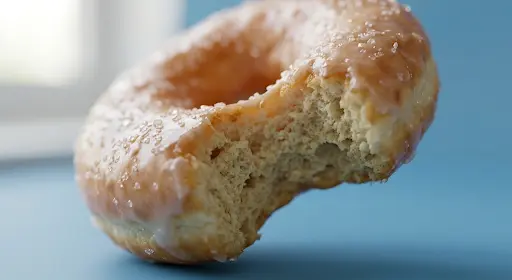
Food’s appearance is judged by its texture rather than its color. The bun must have slight imperfections on its surface. The chocolate should appear shiny, but shimmer only at the edges. The sauce needs viscosity, or the ability to cling, stretch, and release.
This is called the material pass in the studio, where poor work gives itself away. Flat surfaces and symmetrical shapes look artificial. Real food has imperfections, and so does a good CGI, on purpose. An accidental crumb. A drip along the rim.
Light and Motion Do the Emotional Work
A soft edge on warm lighting will make bread appear fresh, while cool lighting will make the drink appear cold. Motion is equally important. A cookie cracks, a pour takes flight, and steam rises from a bowl.
An effective food product animation video captures the motion early, then brings in the packaging and logo when the viewer is already hungry. Earn the appetite first, get the brand second.
Beverage Animation: Where Physics Decides the Result
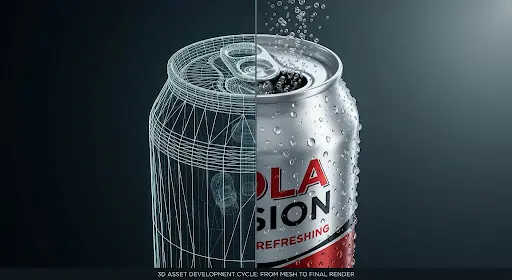
Drinks may not be as simple as they appear. Drinks appearing in 3D commercials need realistic liquid dynamics, and fluid dynamics are among the most difficult to achieve. The dynamics of condensation, bubbles, foam, ice, and light refraction within the glass itself constitute an entire simulation in their own right. Any of these dynamics could destroy the simulation.
Small mistakes are read instantly. Bubbles rising too fast make drinks appear dull. Ice floating too high makes the image feel unrealistic, even if the audience does not know why. Foam that collapses too fast suggests a cheap pour.
The solution is research. Good studios film actual pours to learn how a specific drink behaves, since stouts do not pour the same way as sparkling waters. They then replicate it.
Packaging adds a second layer. The text, color, and finish must all be precise. Matte finishes catch light differently than glossy finishes. Packaging teams will spot the difference. Ask for packaging to be built from your approved print files, never recreated by eye.
3D, Live Action or 2D: Picking the Right Format
| Format | Works best for | Watch out for |
| Live action | Real people eating, authenticity, local flavor | Perishable props, reshoot costs |
| 3D CGI | Hero product shots, impossible camera moves, and many SKUs | Weak material work looks artificial. |
| 2D | Recipes, nutrition tips, delivery app ads | Less suited to appetite appeal |
And here’s the truth: not all food videos require 3D. In cases where you are tasked with making a video that simply explains a recipe or provides nutritional information, 2D animation is your best bet since it is faster and less costly. 3D animation will come in handy when your product itself is the star.
Where 3D Animation Earns Its Budget
Product launches before product availability: Create the hero shot for teasers and retail presentations while the first run of packaging is being produced.
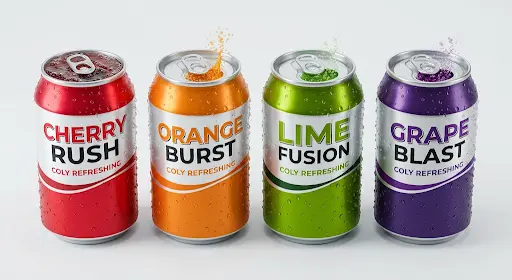
Multiple SKUs/multiple markets: Create one master scene, then swap out flavors, labels, and languages.
Impossible shots: Fly your camera inside the can or watch as the ingredients assemble in mid-air.
Social media/retail displays: Create vertical, square, and wide screen shots from the same render.
E-commerce sites: Create a looped 360-degree spin or pack shot animation next to the purchase icon.
Motion Layers: Layer your CGI with motion graphics for pricing, claims, and calls to action.
Appetite Without Misleading Anyone
3D gives you freedom, and freedom requires restriction. According to the Policy Statement on Deception, section 12 of the FTC Act prohibits false advertising of products that are likely to lead to the purchase of food.
For example, using a CGI hero shot for atmosphere is fine, but if your ad makes any claim like “it is thick enough to hold a spoon” or “made from real fruits,” then the demo should match the actual product. Portions, visible ingredients, and proof moments should be true. Get it legally reviewed before launch, as regulations vary in different markets.
What Drives Cost and Timeline
Cost depends on complexity, not duration. A 10-second pour with complete liquid simulation can cost more than a 30-second pack turn.
The critical components are liquid and particle simulation, the number of hero assets (each ingredient has its own simulation), render resolution, the number of deliverable formats, and revisions. Timeline length will also be dependent on these parameters.
Therefore, spend your money where desire lies: in the texture, motion, and final product frame. The background can be less complicated.
Animation Studio
Have an Idea That Needs to Move?
Tell us what you want to explain. We’ll recommend the right 2D or 3D style and send a custom quote.
What to Send a Studio Before You Start
A concise brief will spare you some rounds of revision. Make sure you include:
The campaign goal and where the commercial will run.
Reference film or images of the actual product.
Approved packaging and branding material.
The one sense memory you like viewers to remember, like the snap, pour, or fizz.
Claims that the commercial makes, which must be verified.
Formats and lengths you require.
A physical sample, if possible.
How Prolific Studio Approaches Food and Beverage Projects
The process begins with a test frame. Before the creation of animations, you will see the product texture, lighting, and packaging, allowing any issues to be addressed when they are easy to fix. Next come the animation previews, followed by the renderings and delivery of your work.
Make the First Frame Count
The brands that get noticed through the screens aren’t the ones that can afford the biggest budget. They’re the ones whose product looks real enough to taste before the logo appears.
So when you’re about to do a campaign launch or refresh an existing hero ad, get in touch with Prolific Studio. Share your product and a quick brief, and we’ll create the test frame for you.
Frequently Asked Questions
Related Articles: