3D animation for food brands works because food marketing has one brutal job: make people want the product before they taste it. A real shoot can capture a great pour, bite, crunch, or splash, but it also brings limits. Ice melts. Foam dies. Chocolate smears. Steam fades. Packaging catches bad reflections. A burger looks perfect for twelve seconds, then starts giving up.
3D gives food and beverage brands more control. The product can stay fresh, glossy, cold, hot, crispy, creamy, fizzy, or perfectly textured for as long as the campaign needs.
Why Food Brands Are Using 3D Animation More Often
Food ads have always played with appetite. That part is not new.
What has changed is the pressure on brands to make products look good across more places. A snack brand may need a TikTok cut, Amazon product video, website hero, retail screen, delivery app asset, launch teaser, and trade presentation. A beverage brand may need five flavors, seasonal packaging, and short loops for social ads.
Shooting every version can get slow and expensive.
That is where 3D animation services start making sense. A studio can build the bottle, can, wrapper, pouch, jar, or box once, then create multiple shots from the same digital asset. One scene can show the packaging. Another can show ingredients. Another can show a dramatic pour or splash. Another can become a short looping ad.
The product does not need to be physically restyled every time.
Food Has to Look Tactile, Not Just Pretty
A weak food animation looks clean but fake.
That is the danger.
Food is not like a metal gadget or a glass bottle. People know how food should behave. They know when cheese looks too rubbery, when sauce moves like plastic, when a cookie has no crumb, or when a drink pour looks weightless.
Good 3D product visualization has to respect texture. Crispy needs to feel crispy. Creamy needs to feel soft. Bubbles need to feel alive. Ice needs to look cold, not like cloudy glass. Chocolate needs weight. Steam needs restraint.
The best food visuals make people feel the product, even though they are only watching it.
Packaging Is Often the Real Hero
For FMCG brands, the pack is usually doing the selling before the food even appears.
A shopper sees the box, pouch, bottle, or can first. That means the animation has to treat packaging seriously. The label must be readable. The color should match the brand. The texture should feel right. A matte paper pouch should not shine like plastic. A chilled can should not look like dry metal.
This is where FMCG animated ad production needs discipline. The goal is not only to make a flashy food moment. The pack has to look shelf-ready, ad-ready, and believable.
For example, a protein bar animation might open with the wrapped product, show the flavor cue, break the bar in half, reveal the texture inside, then return to the pack shot. That sequence gives the viewer appetite and brand recall in one short clip.
A Food Product Animation Video Should Start With the Craving
A food product animation video should not take too long to reach the good part.
If the product is a cookie, show the snap.
If it is coffee, show the pour.
If it is soda, show the fizz.
If it is a sauce, show the coating.
If it is cereal, show the crunch and milk hit.
The viewer should know what the product feels like almost immediately.
Too many brands start with long logo reveals, floating slogans, or slow pack rotations. That may look polished, but it does not trigger appetite. Food needs a sensory hook early. Give the viewer a reason to want the product before you ask them to remember the campaign line.
Beverage Animation Needs Its Own Treatment
Drinks are their own world.
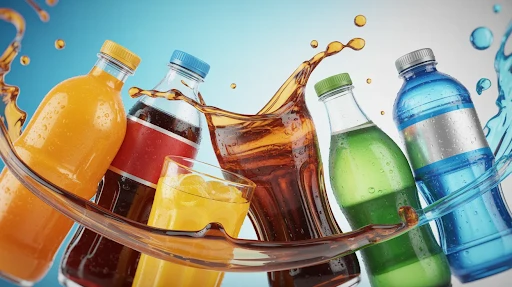
A bottle of water, canned energy drink, smoothie, iced coffee, mocktail, sparkling juice, or protein shake all need different visual behavior. The liquid cannot move the same way in every ad. A thick shake should not pour like soda. A sparkling drink should not behave like flat juice.
That is why beverage 3D commercial animation needs close attention to liquid, bubbles, condensation, foam, glass, ice, and light. These details make the drink feel cold, refreshing, rich, premium, playful, or energizing.
A beverage spot can be simple and still work: can opens, mist pops, liquid surges, flavor ingredients burst around it, pack lands clean. Done right, that can sell more feeling than a long product explanation.
2D Can Still Work for Lighter Food Campaigns
Not every food campaign needs 3D.
A recipe explainer, nutrition tip, delivery app ad, kids’ education clip, or simple social post may work better with 2D animation services. Flat illustration can feel warmer, faster, and easier to revise. It also works well when the product does not need to look photoreal.
Use 3D when texture, packaging, liquid, realism, or appetite appeal matters.
Use 2D when the message is more about instruction, humor, or quick brand communication.
A smart food campaign can use both. 3D for the product hero. 2D for labels, callouts, recipe steps, or playful transitions.
Make the Product Look Good Where People Actually Buy
Food and beverage ads do not only live on TV anymore. They sit on Amazon pages, grocery apps, delivery apps, retail screens, Instagram Reels, TikTok ads, YouTube pre-roll, and brand websites. A product has to look tempting in all of those places, often with no sound and very little time.
That is why a food product animation video should not waste seconds. Show the pack. Show the texture. Show the moment people care about.
A cookie cracking.
A cold can opening.
A sauce pouring over fries.
A spoon cutting into ice cream.
A chocolate shell breaking.
That one craving shot can do more than a long voice-over. People buy food with their eyes first, especially online. Give them something worth staring at.
Retail Screens Need a Quicker Punch
A screen in a grocery aisle has maybe three seconds to get noticed. Maybe less.
Nobody is standing there waiting for a full story. They are pushing a cart, checking prices, comparing flavors, or trying to remember what they came in for. So the animation has to land fast.
This is where FMCG animated ad production needs to stay sharp. No slow build. No complicated concept. Product, flavor, appetite, brand. That is enough.
A cereal ad can show the milk hit. A soda ad can show fizz and condensation. A snack ad can show the crunch. A coffee drink can show the swirl. Keep the shot simple enough that someone understands it while walking past.
3D Makes Packaging Launches Less Painful
Packaging changes are normal in food and beverage. New flavor. New label. New seasonal box. New multipack. New limited edition.
The problem is timing. Sometimes the final pack is not printed yet, but the campaign still needs assets. Sometimes one flavor gets approved later than the others. Sometimes the product exists, but the perfect photoshoot window does not.
A good animation studio can build the packaging in 3D and create launch visuals before the physical product is ready for a full shoot. That helps brands keep everything consistent across ads, sell sheets, product pages, and retail screens.
It is especially useful for ranges. Five flavors can sit in the same light, same angle, same composition, without one pack looking slightly off because it was shot on a different day.
Do Not Let the Logo Steal the Craving
Food ads should get to the appetite moment quickly.
A long logo intro can slow the whole thing down. People want to see the pour, the crunch, the melt, the steam, the fizz. Give them that first.
That does not mean branding should disappear. Logo animation services still have a place. A clean logo motion at the end can make the video feel finished and help people remember the brand after the product shot lands.
Think of it like a stamp, not a performance.
The logo can appear after the can lands, after the pack shot, after the bite, or after the flavor lineup. Keep it short. Let the food do the heavy lifting.
Drinks Need Better Liquid Behavior
Beverage animation is easy to get wrong.
A fake splash ruins the shot. Flat bubbles make a soda look dead. Ice that looks like plastic kills the cold feeling. A smoothie that pours like water stops feeling thick and rich.
That is why beverage 3D commercial animation needs its own treatment. The liquid has to match the drink.
Sparkling water should feel light and crisp.
A protein shake should feel thick.
Coffee should feel rich.
Juice should feel bright and fresh.
An energy drink should feel fast and sharp.
The viewer may not know why the liquid feels wrong, but they will feel it. That is enough to break the craving.
Cost Depends on the Stuff People Notice
A 10-second food animation can be simple. It can also get expensive very quickly.
A pack rotation is one thing. A caramel pull, chocolate break, realistic fizz, crumb texture, melting cheese, steam, mascot acting, and kitchen scene are something else.
That is why 3D animation cost depends less on seconds and more on detail. Food detail is unforgiving. If the sauce looks wrong, people feel it. If the cookie has no crumb, people feel it. If the ice looks fake, people feel it.
Spend the budget where appetite lives: texture, motion, lighting, packaging accuracy, and the final product frame.
Pick the Style That Matches the Product
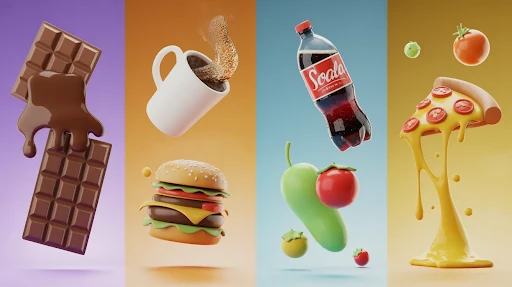
There are many types of 3D animation food brands can use, but not every style fits every product.
A luxury dessert may need slower camera movement and rich texture. A candy brand can go brighter and stranger. A health drink may need clean, fresh visuals. A snack brand might need fast cuts and bold crunch shots.
The style should come from the product, not from whatever trend is popular that month.
A premium coffee ad should not behave like a soda commercial. A kids’ snack should not look like a luxury perfume spot. Match the animation to the appetite you are trying to create.
Frequently Asked Questions
Final Words
3D animation for food brands helps food and beverage companies make products look fresh, tempting, and memorable across e-commerce pages, retail screens, ads, packaging launches, and social campaigns.
The best work does not just look polished. It makes the viewer want the sip, bite, crunch, melt, pour, fizz, or snap. Keep the product in front. Use mascots with purpose. Spend on texture and motion. Build 3D assets that can work across more than one campaign.
Related Articles: