Animal Farm has returned to the big screen, this time as a 3D CG animated picture directed by Andy Serkis.
Angel’s official movie page sets it as a PG-rated theatrical release in 2026, featuring Seth Rogen, Gaten Matarazzo, Glenn Close, Woody Harrelson, Steve Buscemi, Laverne Cox, Kieran Culkin, Jim Parsons, Kathleen Turner, Iman Vellani, and Serkis himself as voice actors. The film premiered in theaters on May 1, 2026, after Angel bought the distribution rights.
Why Animal Farm Still Feels Timely in 2026
Orwell’s original story has never been subtle, and that is part of why it keeps coming back. A group of farm animals overthrow their human owner, hoping to build a fairer world, only to watch the new leaders slowly turn into the thing they replaced.
Angel’s current synopsis frames the new movie around revolution, power, propaganda, erased truth, crushed dissent, and the farm’s slide into dictatorship. That is heavy material for a family-accessible animated film, but it is also the reason the adaptation has a hook beyond nostalgia.
The interesting part is not that someone adapted Animal Farm again. The interesting part is that Serkis and the team are trying to make a story about political corruption work for modern theatrical animation.
That is a tricky balance. Go too soft, and the story loses its bite. Go too grim, and younger audiences get locked out. This version seems to be trying to sit somewhere in the middle.
Andy Serkis Is Not an Accidental Choice for This Story
Serkis directing an animal-themed allegory makes more sense than it seems. His career has been dedicated to performance, monster work, and uncovering emotional truths inside characters that are not totally human.
That’s important because Animal Farm may quickly devolve into a bland symbol parade if the animals are seen as lesson-delivery devices rather than characters.
Angel’s press release describes the project as produced by Adam Nagle and Dave Rosenbaum for Aniventure, with Jonathan Cavendish and Serkis producing for Imaginarium Productions. Animation was handled by Cinesite, which gives the film a large-scale CG production backbone rather than a small experimental feel.
That combination matters. A good animation studio can make animals move convincingly. The harder task is making them carry ideas about loyalty, manipulation, fear, and failed revolution without turning every scene into a lecture.
The Animal Farm Cast Is Built Around Recognizable Voices
The Animal Farm cast is one of the film’s biggest selling points.
Angel lists Seth Rogen as Napoleon, Gaten Matarazzo as Lucky, Woody Harrelson as Boxer, Andy Serkis as Mr. Jones and Randolph, Glenn Close as Freida Pilkington, Steve Buscemi as Mr. Whymper, Laverne Cox as Snowball, Kieran Culkin as Squealer, Jim Parsons as Carl, Kathleen Turner as Benjamin, and Iman Vellani as Puff and Tammy. That is not a quiet lineup.
The casting also gives the movie quick readability. Rogen as Napoleon suggests a version of the character that may lean into charm, absurdity, and threat at the same time. Harrelson as Boxer makes sense because Boxer needs warmth and tragic sincerity.
Kieran Culkin as Squealer is probably one of the sharper choices on paper, because that role lives and dies on verbal slipperiness. The cast is doing more than filling recognizable names into farm roles. It helps signal what kind of energy each animal brings to the story.
Lucky Changes the Shape of the Adaptation
One of the biggest changes in the Animal Farm 2026 movie is the addition of Lucky, voiced by Gaten Matarazzo. Angel’s official page places Lucky near the center of the cast, and recent coverage describes him as a piglet used to help younger viewers follow the moral tension inside the story. That matters because Orwell’s book is not exactly built like a conventional family film.
It is bleak, sharp, and famously unforgiving.
A new character like Lucky gives the movie a more accessible emotional entry point. That may bother purists, and fair enough. But for a theatrical animated adaptation aimed at a wider audience, it also gives the film a way to translate Orwell’s warning without expecting every viewer to enter with a classroom memory of the book.
The Movie Is Not Just Repeating the Book Beat for Beat
This is where adaptation choices start to matter. The new film is based on Orwell’s novella, but it is clearly not trying to be a direct page-to-screen translation. Decider’s release coverage notes the movie takes a more family-friendly approach and includes Lucky as a major new character. Parents also reported that Serkis worked with the Orwell estate while reshaping the story for younger viewers and giving the film a more hopeful edge than the original novel.
That means the movie is entering a risky space. Animal Farm is famous partly because it does not comfort the reader. If the film softens too much, it risks losing what made the source material so durable. But if the adaptation finds a way to keep the warning intact while making the story easier for families to discuss, then the change has a real purpose.
Cinesite’s 3DCG Approach Gives the Farm a Different Kind of Weight
Cinesite’s involvement is central to how the movie looks and moves. Cinesite’s own announcement confirms the company’s animation work on the film and links the production to Aniventure and Imaginarium.
That matters because CG animal performance has a different burden from stylized 2D animal fables. Fur, eyes, weight, scale, and mouth movement all affect whether the characters feel believable or distractingly artificial.
This is also where the difference between CGI and 3D animation becomes useful. CGI is a generic term for computer-generated images, but 3D animation is more explicitly defined as the creation and animation of three-dimensional objects in a digital domain.
In a film like Animal Farm, those ideas overlap constantly. Although the figures are animated in 3D, the final picture is also determined by lighting, rendering, compositing, texturing, and camera work.
The Film Has to Make Talking Animals Feel Political, Not Cute
That is the real creative challenge. Talking animals are familiar in family animation. Orwell’s animals are not supposed to be cute in the usual way. They are symbols, yes, but they are also victims, opportunists, workers, followers, and manipulators.
If the film plays them only as funny talking creatures, the allegory shrinks. If it plays them too stiffly, the movie turns into illustrated homework.
The best version of this adaptation has to live between those extremes. It needs enough humor and character for a wide audience to stay with it, but enough menace for Orwell’s warning to still land. Angel’s official synopsis does not hide the political frame.
It talks directly about power, erased truth, and dictatorship, which suggests the studio knows the film cannot just be sold as a barnyard adventure.
Why the Visual Style Matters More Than Usual
Animal-led animation rises or falls on tiny choices. The size of an eye. The timing of a blink. The pressure in a walk cycle. The way one animation frame catches fear, suspicion, pride, or surrender. In Animal Farm, those details carry extra weight because the audience needs to read both the animal behavior and the political meaning underneath it.
That is different from the instant-impact logic of 3D game trailer services, where a shot often has to sell power or spectacle in a second or two. Animal Farm needs a slower kind of control. The audience has to believe in the farm as a place, then slowly feel how that place is being reshaped by fear and propaganda.
The Voice Cast Has to Do More Than Sound Famous
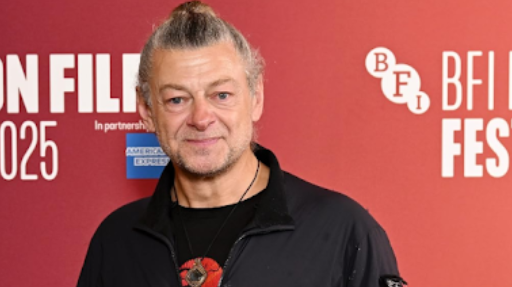
A cast like this gets attention fast, but that is not enough for Animal Farm. Seth Rogen as Napoleon, Woody Harrelson as Boxer, Kieran Culkin as Squealer, Laverne Cox as Snowball, Glenn Close as Freida Pilkington, Steve Buscemi as Mr. Whymper, and Gaten Matarazzo as Lucky all seem like easy headlines.
The harder job is making each role carry a political function without turning the movie into a stiff classroom reading. Angel’s official page lists the cast clearly, and the lineup tells you the film is leaning on voice personality to make Orwell’s farm feel accessible to a wider audience.
Napoleon and Squealer Are the Roles That Can Make or Break the Satire
Napoleon is the center of the corruption story. Squealer is the machinery that sells it. That is why Seth Rogen and Kieran Culkin are interesting choices on paper. Rogen has a voice people already associate with comedy, which could either sharpen Napoleon’s false charm or soften him too much, depending on the writing.
Culkin as Squealer makes immediate sense because that character depends on quick verbal pressure, slippery confidence, and the ability to make lies sound almost reasonable.
That pairing matters because Animal Farm is not only about power being seized. It is about power being explained until people stop resisting it. If the movie gets Squealer wrong, it loses one of Orwell’s sharpest weapons.
3D Animation Cost Is Not Just About Rendering Pretty Animals
When people talk about 3D animation cost, they usually think about surface quality first. Fur. lighting. crowds. environments. Render time. All of that matters, but a film like this has a different cost problem, too. Every major animal has to perform. Not just move. Perform.
That means acting rigs, facial nuance, weight shifts, crowd staging, farm environments, lighting continuity, and enough rendering polish to hold up on a theatrical screen. A political fable might sound simple, but in CG it becomes technically demanding very quickly. One weak facial expression or one oddly timed reaction can make a serious beat feel silly.
The Film Also Shows Why 2D and 3D Serve Different Kinds of Satire
A flatter version of Animal Farm could have leaned harder into graphic symbolism. That is where 2D video animation services often have an advantage: shape language, exaggeration, poster-like compositions, and quick visual metaphor. A CG version works differently. It asks the viewer to spend time with characters who have volume, texture, and physical presence.
Neither approach is automatically better. The question is which one helps the adaptation keep its warning intact. For Serkis’ version, the choice clearly leans toward accessible character performance. That fits the family-facing theatrical goal, even if it also makes the Orwell problem harder.
Frequently Asked Questions
Final Words
Animal Farm is tough to adjust to because of its deceiving simplicity. The narrative appears to be a fable, but it is also a warning about power, language, truth, and how easily idealism may be used against those who believe in it.
Andy Serkis’ animated version brings that warning into a 3DCG family-theatrical format with a major voice cast, Cinesite animation, and a more accessible emotional entry point. Whether viewers regard this as a wise update or a softened compromise, the film demonstrates one thing: Orwell’s farm still knows how to cause a fight.
Related Articles: