

Some brands rise fast in the digital space. Others get buried in a sea of sameness. The difference often comes down to the tiniest detail that audiences never talk about openly but feel immediately: the storytelling style. Video animation has turned into the tool everyone grabs when they want a sharp, quick, and expressive message.
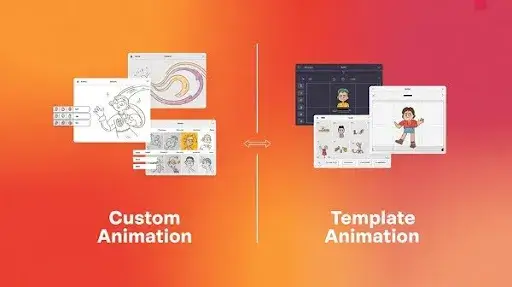
Yet the tug-of-war between custom animation vs. template animation keeps growing stronger as more companies try to find the sweet spot between speed, cost, and impact.
Scroll through any platform, and you’ll spot two types of animated content. One carries soul, personality, and a sense of identity. The other looks familiar, sometimes too familiar, because it came from a template thousands of people have already used.
Both formats exist for a reason. Both help brands communicate. Both can be smart choices depending on the type of animation, the goals, and the timeline. The tricky part is knowing what you gain and lose with each one.
This is where the conversation becomes interesting for brands, agencies, startups, educators, and anyone planning to create animated content. Prolific Studio and other animation teams see this debate every day. People want speed.
They want affordability. They want quality. They want expression. Achieving all four is tough without a clear understanding of how each approach shapes the final message.
[elementor-template id=”13845″]
How Animation Video Templates Help, but Only to a Point
Many beginners lean toward animation video templates because they feel manageable. You don’t need a 3D animation studio or a team of specialists. You don’t need design experience. You don’t need to understand the animation process. You just pick, drag, and personalize.
That’s the appeal.
Templates shine when:
- You need a quick announcement
- Your budget is small
- You’re testing early ideas
- A short whiteboard-style animated video is enough
- You want simple movements without complex timing
People use these templates to create product explainers, school projects, basic ads, and short announcements. They’re popular in DIY animation tools for exactly this reason.
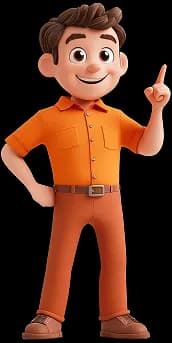
But the problems start when your story demands more than pre-made video animations can handle. The movements feel stiff. Character expressions look limited. Scenes resemble ones your audience might have seen dozens of times. And your brand voice gets lost in a crowded pile of lookalikes.
Once your message needs emotion, depth, personality, or standout visuals, template animation stops serving you well.
Why Custom-Made Animations Create Stronger Brand Identity
Custom animations treat your message like a crafted story instead of a filled-out form. Every movement, from a character’s blink to the pacing of transitions, carries intention.
About 85% of consumers tend to recall a brand more effectively after seeing an animated advertisement.
Here’s what custom animation offers that templates can’t touch:
Personal Characters Built for Your Message
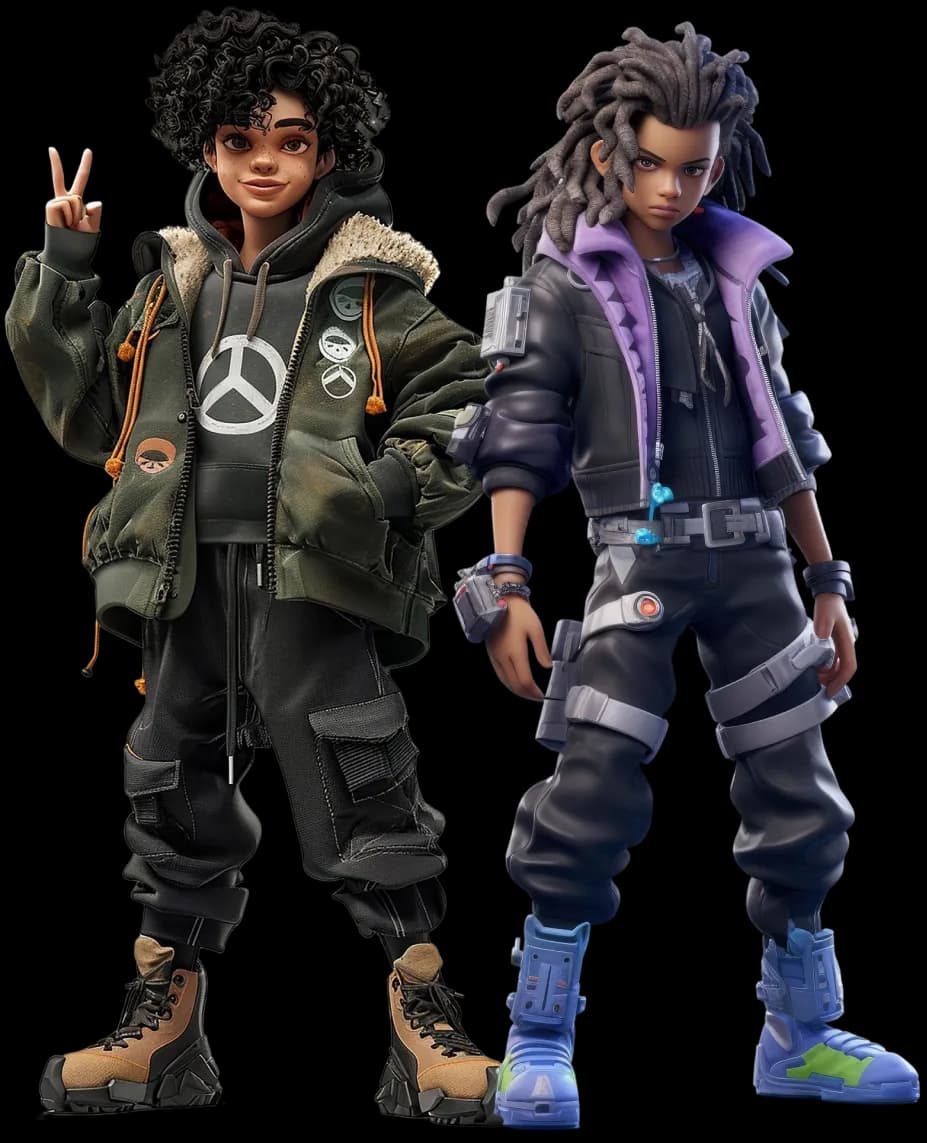
Instead of generic characters with identical faces, custom animation brings characters that mirror your brand tone, culture, audience, or product. Their expressions, body language, and gestures match your communication goals.
Backgrounds That Support Emotion
Templates limit backgrounds to what’s available. Custom design gives you control over atmosphere, mood, setting, and color psychology. If the scene demands a warm palette or a futuristic touch, it’s crafted, not copied.
Smooth, Refined Movements
Animation is all about movement. Template rigs often feel rigid. Lip-syncing looks mechanical. Walk cycles appear robotic. Custom animation eliminates these issues because each movement is manually refined.
Story-First Logic
Templates give you slots to fill. Custom animation builds the narrative around your audience. This turns video animation into something memorable instead of something that blends in with dozens of similar content pieces.
Unlimited Direction
If you want hybrid animation, hand-drawn textures, stylized motion graphics, or more dynamic types of 3D animation, the custom route supports all of it. Template tools can’t reach that range.
Brands that care about emotional messaging, strong visuals, or premium appeal tend to pick custom animation for this reason.
The Money Question: Cost vs. Value in the Animation Process

Most creators assume custom animation always burns a hole in the pocket. This isn’t accurate anymore. A lot depends on the type of animation, animation process, complexity, scene count, and style. Template tools look cheaper upfront, but they can cost more in lost brand impact if your message ends up looking identical to competitors.
Custom work costs more initially, but it gives long-term value:
- You control the visual language
- You own the assets
- You maintain brand consistency
- You avoid generic visuals
- You get content that stays relevant and usable for years
Templates save money now, but rarely build a brand story strong enough to last. In short, the real cost isn’t in production, it’s in the impression you create.
Design Control: The Secret Advantage of Custom Work
Ask any video animation agency what separates a forgettable animation from a memorable one. The design decisions do the heavy lifting, including shapes, colors, shadows, lighting, textures, scene composition, and character emotions.
Templates leave you with minor adjustments. Custom animation gives you the steering wheel.
You decide:
- How bold or soft the palette should be
- How sharp or smooth transitions should feel
- How stylized the character designs need to be
- How the environment supports your message
When every visual element aligns with your story, the animation becomes more than a video. It becomes a brand moment.
Prolific Studio often sees clients enter with template-based videos they tried earlier. Most of them want refinement, enhanced design, or movement that templates couldn’t provide. That’s when custom animation transforms the entire project.
Animation Flexibility: The Feature That Decides How Far Your Story Can Go
Most template-based tools lock you into a format. You can switch colors or replace icons, yet the core layout stays the same. This restricts the scenes you can create, the pacing you can use, and the moods you can build. It’s convenient for straightforward messages but limiting for anything layered or expressive.
Custom animation has no such walls. The team can stretch an idea in any direction. Need a futuristic city built from scratch? Not a problem. Want characters designed around your buyers’ habits? Easy. Need transitions that show emotional shifts? That’s part of the craft. Custom teams treat the screen like a canvas instead of a template grid.
This flexibility matters for brands working on:
- Product launches
- Company stories
- Social media campaigns
- Training modules
- Explainer animations
- High-stakes presentations
Custom animation fits every format because it is built around your storyline. Template animation fits only what the template was built for. That’s the difference between adaptable storytelling and restricted storytelling.
The Storytelling Advantage Only Custom Animation Can Deliver

Great animation isn’t about fancy visuals. It’s about clarity. It’s about transferring an idea into someone’s mind so smoothly that they feel it instead of just watching it.
Template animation limits your story structure. You fit your message inside a fixed sequence: intro, scene, scene, outro. The emotional flow feels predictable because thousands of people used the same rhythm.
Custom animation approaches the story differently. The narrative is built around the emotion you want to create. If a product needs tension before the reveal, the pacing adapts. If the brand message needs softness, the transitions reflect it. If the content needs humor, the expressions support it.
Emotion Through Visual Timing
Custom teams can hold a frame for an extra second to build drama or cut early for comedic timing. Templates don’t support this level of emotional control.
Symbolism Inside Motion
Every movement can carry a metaphor. A product rising can signal growth. A character unlocking a door can show opportunity. Custom animation uses symbolic movement to strengthen meaning.
Rhythm That Matches Audience Behavior
Fast scroll platforms like TikTok need punchier rhythms. Training videos need slower transitions. Custom animation aligns pacing with viewer habits.
You can’t craft emotion inside a fixed template. You can only adjust what the template gives you.
Technical Depth in Custom Work: Where Templates Hit Their Limit First
Template animation works well when the project stays simple. The moment you need technical depth, the gap becomes obvious.
Advanced Motion Graphics
Smooth kinetic shifts, complex transitions, and layered effects need manual work. Templates offer basic versions but can’t match a custom-built sequence.
High-End 3D Animation
Templates rarely support the advanced types of 3D animation used by professional studios. You can’t create realistic physics, custom rigs, stylized shading, or expressive facial systems. For anything 3D-driven, a custom team or a 3D animation studio becomes essential.
Hybrid Animation Potential
Mixing frame-by-frame scenes, motion graphics, 3D inserts, or stop-motion elements demands full control. Templates can’t merge formats smoothly.
Sound Design Integration
Good sound design transforms animation. Custom workflows time movements, transitions, and text reveals to sound cues. Template tools only offer basic audio syncing.
These details separate a high-quality animation from a basic announcement. Technical depth amplifies message depth.
When Template Animation Makes More Sense Than Custom
Even though custom work is more powerful, template animation still has strong use cases.
It works well for:
- Small teams producing frequent content
- Educational explainers that need simple visuals
- Local businesses making short promotional clips
- Internal company updates
- Hourly announcements
- Early concept testing
- Projects with tight deadlines
Not every message needs handcrafted visuals. Some stories just need clarity, speed, and basic movement. Template animation helps you ship content fast without learning complex tools or hiring a full team.
This is the balance most brands try to strike: speed vs. originality. Impact vs. convenience. And the answer shifts depending on the purpose of each video.
The Best Option for Growing Brands: A Mixed Approach

A lot of brands end up using both formats. They use template animation for low-stakes content and invest in custom animation for important stories. This combination gives them a steady flow of quick videos without sacrificing quality for major campaigns.
For example:
- A startup might use templates for weekly tips and custom work for their main product video.
- An agency might use templates for mockups and custom work for final delivery.
- An online store might use templates for routine social posts and custom-made animations for branding.
This mixed approach balances budget and identity. It lets teams create fast content without losing creative expression. Prolific Studio often helps clients plan which videos need custom attention and which can survive with a template.
Frequently Asked Questions
Are animation video templates too limiting for professional use?
Templates are fine for basic content. They become limiting when the story needs emotion, brand consistency, or complex movements.
Can I blend custom elements inside a template?
In some tools, yes. You can add custom icons, characters, or branded elements. The layout still stays fixed, so the flexibility is limited.
Do custom animations take too long to produce?
Time varies based on the style and complexity. Simple 2D animation services can be fast. A detailed 3D scene can take more time. The storytelling payoff usually justifies the timeline.
What’s the better option for long-term brand identity?
Custom animation wins here. You get reusable assets, original characters, and visuals that stay consistent across campaigns.
Are pre-made video animations good for social media?
Yes. They’re fast and easy. They help with everyday posts or quick announcements. For brand-defining content, custom animation creates a stronger impact.
Can templates support hybrid animation or 3D animation?
Only on a very basic level. Most hybrid animation methods and advanced 3D techniques require full custom production.
Final Words
Custom animation and template animation both have a role in content creation. One offers speed and convenience. The other offers identity and emotional power. If your message shapes how customers see your brand, custom animation becomes the stronger choice. It lets you build visuals that feel genuine, expressive, and unique.
Templates work when time is short or the message is simple. Custom work matters when the story needs depth. Brands that understand this balance gain a major advantage. They communicate with precision. They stay memorable. They rise above the sameness in a feed full of copied motions.
If your team wants content that actually feels like your brand, working with a professional video animation agency like Prolific Studio can help you shape that style with purpose. The right animation approach turns a simple message into a moment your audience remembers.
Related Articles: