


Felt has a sound. Not loud, not sharp, just a soft little “shh” that tells your brain: this was touched by real hands.
That tiny detail is a big reason My Melody & Kuromi lands so well. It is not trying to look perfect. It is trying to look Kawaii (cute) in a way you can almost feel.
Netflix released the stop motion animation series My Melody & Kuromi on July 24, 2025, timed with major anniversaries for both characters.
It is directed by Tomoki Misato and written by Shuko Nemoto, produced by Toruku Studio (from WIT Studio).
At Prolific Studio, we pay close attention to shows like this for one reason: they remind brands and creators that “cute” is a craft, not a filter. And if you run an animation studio or hire one, this series is packed with lessons you can use right now.
[elementor-template id=”13845″]
My Melody & Kuromi and the power of Kawaii (cute) in stop motion animation
Kawaii is a design rule, not a style sticker
My Melody’s face is simple. Kuromi’s vibe is bold. The show protects that simplicity instead of overdecorating it.
Misato has talked about pushing for a more matte feel so the characters keep that soft, friendly look on camera.
Why stop motion animation fits My Melody and Kuromi characters
Stop motion gives these famous cartoon characters real weight. A tiny head tilt looks like a choice, not a shortcut.
Netflix also framed the story around two shop owners, a baker and a candy maker, forced to team up to save their hometown. That “small life, big problem” setup matches stop motion’s hand made warmth.
When was My Melody created and why that date still matters
When was My Melody created
My Melody was created in 1975.
That matters because characters built in that era were designed to read clearly on merch, stationery, and simple print. Clean shapes. Strong icon cues.
Stop motion respects that. It does not overload the design. It keeps the silhouette readable, even when the camera moves in close.
Kuromi’s debut and the built in contrast
Kuromi debuted in 2005 as My Melody’s self proclaimed rival.
So you get an instant contrast: sweet shop vs candy shop, bright vs moody, calm vs spicy.
That contrast is the engine of the Kuromi show energy. It also makes the emotional beats hit harder when the story asks them to cooperate.
My Melody & Kuromi: crafting Mariland with real materials
Wool felt characters and custom color choices
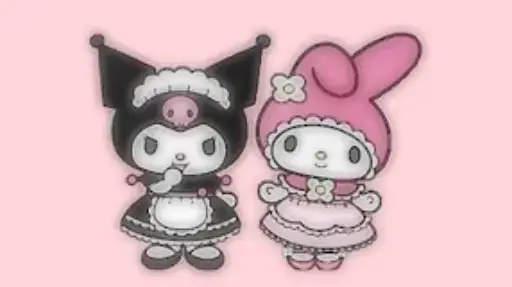
The core puppets were made mainly with wool felt, with custom-dyed colors to match the look. That is a big deal. “Cute” lives in color control.
Even tiny shifts in pink can change My Melody’s personality on screen. A warmer pink reads cozy. A cooler pink reads plastic.
The dessert challenge: making sweets feel real
This series leans hard into cakes, candies, frosting, toppings, and display cases.
Food is brutal in animation. If it looks fake, the audience checks out fast.
Stop motion solves that with texture. If the frosting has a real edge, your brain buys it. If the sprinkles cast real shadows, you start craving cupcakes.
At Prolific Studio, we use this same thinking even when we are delivering 3D character animation services. A strong render is not enough. You need believable surfaces and small imperfections that look intentional.
Stop motion animation at scale: the big hidden challenge
A small craft with a big crew
Misato described moving from tiny teams to a much larger staff for this production, which created a new kind of pressure: communication and consistency.
Stop motion is slow. Every shot is a tiny promise that tomorrow’s frame matches today’s.
When a project grows, the “hand-made” charm can turn into “hand-made chaos” unless the plan is sharp.
Puppet care is part of the pipeline
There is also the unglamorous reality: puppets get dusty, felt wears down, and models need constant care. Misato shared that the team used tools like needles and gentle tape to keep figures clean, and replaced worn felt when needed.
That is not trivia. That is pipeline.
If your animation studio sells stop motion, or even a hybrid look, you need a maintenance plan the same way you need lighting and camera plans.
Materials that make the Kawaii setting feel alive
3D printed props, still hand-made in spirit
One smart detail: the team used a 3D printer for certain props like mushrooms and flowers, then varied shape and color so nothing felt duplicated.
That is a great reminder for any 3D animation studio.
Reuse saves time. Reuse also creates that “copy paste” feeling. Variation is what keeps a setting feeling lived in.
Beads that turn into flowing water
The fountain scene is a perfect example of playful problem solving. The water effect used transparent beads, and the motion was created by rotating elements so it reads like flow, similar to a zoetrope concept.
It also ties into a key choice: the team intentionally kept the frame rate feel more “hand made” so it would not drift into a computer smooth look.
Top animation trends My Melody & Kuromi nails without trying too hard
Tactile animation is back
Audiences are tired of perfect surfaces. They want charm you can sense.
That does not mean every brand needs full stop motion. It means brands should think like stop motion artists: texture, weight, lighting, and tiny flaws that make the shot feel real.
Cinematic camera moves in miniature sets
Netflix’s series also uses wide shots and push ins that feel cinematic, which is harder in stop motion than most people realize.
The show uses scale tricks, and later we will talk about the custom camera platform and motion control approach that expanded what the team could do.
That blend of “cute” plus serious camera craft is one reason these characters still feel fresh, even after decades as famous cartoon characters.
My Melody & Kuromi facial animation: magnets, needles, and 3,000 tiny parts
3D character animation services, in the most literal way
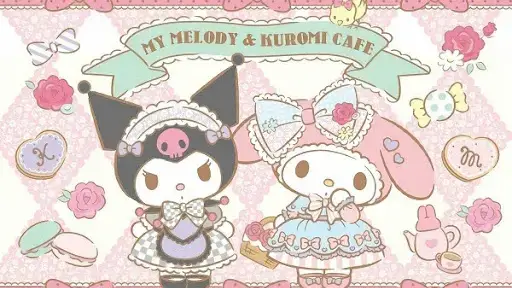
One of the first things you notice in My Melody & Kuromi is how often the faces change. The smiles shift. The eyes react. The mood flips in a beat.
Director Tomoki Misato shared that they used around 80 parts for a single My Melody puppet, and over 3,000 parts total across characters.
How the expressions were swapped
The team changed expressions by attaching eye and mouth parts with magnets or needles.
That is a very “real” version of what a 3D animation studio does with blendshapes and facial rigs.
There is even a tiny running gag built into the build. The skull on Kuromi’s scarf changes expression to match her mood.
Tiny props, tiny problems
Misato mentioned the face parts for the mouse Flat were so small that the team often lost track of them during the shoot.
If you have ever hunted for a missing mouth shape in a shared animation folder, you get it.
My Melody & Kuromi stop motion animation: big shots, small doubles
The scale trick for wide overhead shots
The show loves wide views of Mariland, then it glides down to street level.
To pull this off, the team made smaller versions of characters for wide overhead shots.
That is the physical version of using “low detail” models in 3D for distant shots.
Close ups that sell the sweets
Then the camera jumps to the other extreme: cakes, toppings, jars, candy piles.
Those close ups are a flex. They make you notice the craft. They make the setting feel like a place where someone actually works and cooks.
At Prolific Studio, this is the same reason we push for strong product close ups in commercials and brand videos. The closer you go, the more your textures and lighting need to hold up.
My Melody & Kuromi camera rig: the “Kawajin” platform and motion control
From “DVD stack camera” to proper camera moves
Misato said that on earlier projects, he would raise the camera using piles of DVD cases and books, then tweak angles with paper.
That works when you are small. It becomes a nightmare on a series.
For this project, the team developed a new camera platform, nicknamed “Kawajin,” that let them adjust height and rotation on three axes by moving a handle.
Motion control for smooth, repeatable shots
They also used a motion control crane called VOLO, owned by the cinematographer.
That kind of gear lets you repeat moves, keep continuity, and push for more cinematic shots without losing the stop motion feel.
This matters for brands hiring an animation studio. Camera craft is not a bonus. It is part of the emotion.
My Melody and Kuromi characters: props, set pieces, and the Sanrio “Kawaii” rules
Favorite set pieces: stumps, vehicles, and tiny objects
Misato called out the tree stumps as a favorite, using soft fabric on the trunk surface to push cuteness.
He also mentioned Kuromi’s vehicle, including a shot where it transforms into an airplane by switching out parts.
That is old school movie magic, done one piece at a time.
Keeping the Sanrio look consistent
The team referenced Sanrio materials like The Strawberry News and art books to keep sets and props aligned with the official style.
That is the real secret behind “Kawaii (cute).” It is consistency, not randomness.
If your brand has mascots or famous cartoon characters, you need the same thing: a style guide that covers shapes, color, texture, and camera rules.
What brands can learn from My Melody & Kuromi, from Prolific Studio’s side
Build your “cute” rules first
Start with a short list of non-negotiables.
Color rules, surface feel, and expression range. These choices define your character more than fancy effects ever will.
Plan for repetition
A series is repetition. A campaign is repetition. A social content plan is repetition.
This show solved it with extra face parts, camera tools, and set discipline.
In our studio work, we solve it with clean file structure, locked style frames, and tight review loops.
Choose a medium that matches the brand
My Melody & Kuromi uses stop motion animation because it fits the characters, the anniversaries, and the warm tone.
Your brand might fit stop motion, 2D, 3D, or a hybrid.
The right choice is the one that makes people feel something fast.
Frequently Asked Questions
When did Kuromi first appear?
Kuromi’s first appearance was in 2005.
Is My Melody & Kuromi stop motion animation or 3D animation?
My Melody & Kuromi is a stop motion animation series.
When did My Melody & Kuromi release on Netflix?
The series released on July 24, 2025 on Netflix.
Who directed the My Melody & Kuromi Netflix series?
The series was directed by Tomoki Misato.
How many episodes are in My Melody & Kuromi?
There are 12 episodes.
What is the Kuromi show about?
It follows My Melody running a busy cake shop while Kuromi’s candy shop struggles, leading to a contest and a bigger problem that threatens their town.
What does Kawaii mean in this context?
Kawaii is a Japanese “cute” style focused on simple shapes, friendly expressions, and soft charm, which Sanrio characters are famous for.
Final Words
My Melody & Kuromi works because it treats cute like a serious craft. It respects the legacy, then adds new charm through texture, camera work, and strong expressions.
If you want your brand character to feel just as alive, Prolific Studio can help you build it from the ground up, then scale it across ads, social content, and series style storytelling.
We operate as a partner level studio, the kind of team brands lean on when they want character work that can sit confidently beside the big names in animation.
If you want 3D character animation services, stop motion style visuals, or a hybrid look that keeps that Kawaii feel, reach out to Prolific Studio and share your character or concept. We will map the style, the motion, and the production plan, then turn it into content that people actually finish watching.
Related Articles: