

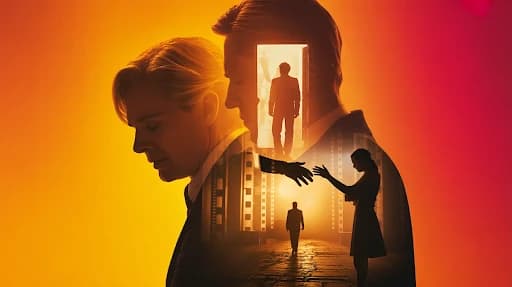
The internet loves a shortcut, and absolute cinema is one of the cleanest ones we have right now. It’s the comment you drop when a moment feels so perfectly framed or timed that it stops being “content” and starts feeling like a scene. If you’re here because you searched what does absolute cinema, welcome to the club.
The Core Meaning People Are Pointing At
At its best, the phrase is a quick way of saying the moment nailed the essence of cinematic storytelling. You did not just watch something happen, you felt the setup, the turn, and the payoff in your gut.
Why People Type It Exactly Like This
A lot of comments spell it out as the phrase, ‘absolute cinema’, because the wording itself is part of the performance. It’s short, dramatic, and it sounds like you’re stamping a scene with approval.
How It Became a Meme Without Losing the Meaning
Online, the expression ‘absolute cinema’ gets used in two modes.
One is sincere praise. The other is playful hype. The same two words cover both, which is why it spreads so fast.
The “Serious” Root of the Idea
Before meme culture grabbed it, people used it as a nod to high-quality filmmaking. Not “this was fun,” but “this was controlled.” Clean staging, strong composition, and editing that hits the exact beat it needs to.
What Usually Triggers the Comment
Most “absolute cinema” moments share at least one ingredient of creative cinematography. A reveal that changes the meaning of a shot. A frame you could freeze and instantly understand. A camera move that lands like a punchline.
How Film Fans Use It
In absolute cinema in film discussions, the phrase is often a badge for scenes that feel “pure,” the kind people rewatch and analyze because everything is working at once: image, timing, performance, and sound.
Where the “Masterpiece” Energy Comes From
The comment usually shows up when people feel like they’re watching masterpieces of cinema, or at least a moment, trying to play in that league. It’s a way of saying, “This is why movies exist,” without writing a paragraph.
How It’s Used in Movies Versus Everything Else
You’ll see absolute cinema in movies used most often for scenes that feel definitive: a climactic reveal, a wordless emotional turn, a perfectly timed cut that tells you more than dialogue could.
Why Animation Fans Love the Phrase
Animation makes these moments easier to spot because every frame is a decision. Pose, silhouette, timing, staging. When it lands, the craft is obvious.
That’s why the comment shows up constantly under breakdowns from an animation studio sharing layouts, storyboards, or shot progress.
When a Single Image Feels Like a Whole Film
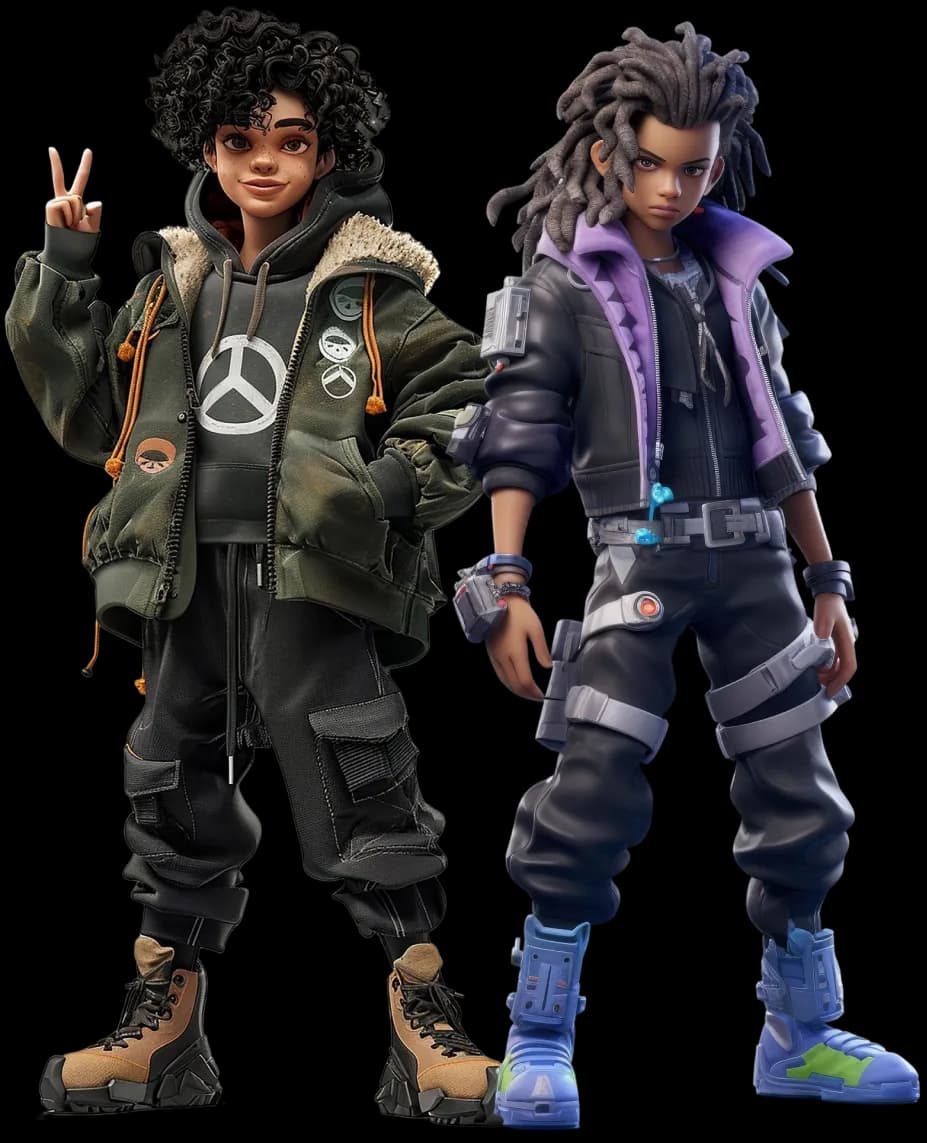
Character design threads are another hotspot. One strong silhouette and expression can feel like a “scene” by itself.
That’s why you’ll see people drop a great character design by concept artist Marco Teixeira and immediately get reactions that read like someone just watched an iconic reveal.
Meme Fuel Example 1
Sometimes the phrase is basically a nostalgia siren. Someone posts a fat Pikachu return, and the replies treat it like a dramatic comeback shot, even if it’s just a throwback image.
Meme Fuel Example 2
Other times it’s used to dunk on chaos. People still bring up the original Sonic design like it was a cinematic jump scare that the internet survived together.
Why Marketers and Editors Pay Attention
The phrase is useful feedback. It tells you what people reward online: clarity, timing, and a moment that feels like it has a beginning, middle, and end.
That’s why absolute cinema in trailers pops up so often. A good trailer is basically a scene factory, built to deliver mini payoffs every few seconds.
Where This Connects to Production Work
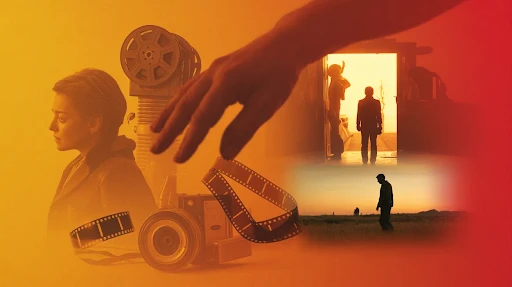
If you cut promos for games, the goal is the same: a handful of shots that feel inevitable.
Teams selling game trailer services aim for that exact reaction, because it signals the trailer created a “movie moment” out of gameplay footage.
Why Timing Still Wins Over Polish
This is the fix for the paragraph you called out. No clustering.
A lot of people assume “cinematic” equals “expensive.” Online, it usually means “clean choices.” If the timing lands and the staging is readable, people will praise it even if the visuals are simple. That’s the same logic any 2D animation studio lives by: make the pose read, then make it hit.
The 3D Version of the Same Idea
In CG, the audience responds to the same fundamentals, just through depth, camera language, and lighting.
A strong 3D animation company can earn “absolute cinema” comments with one clean shot if the camera, performance, and rhythm are doing the work, not the render settings.
The Performance Layer People Feel First
Even when viewers can’t name the craft, they react to character acting.
That’s why clips built around character animation services often get this comment too. A great reaction beat, a perfectly timed blink, a pause before a choice. That stuff reads instantly.
When Saying It Lands and When It Sounds Corny
This is the easiest way to think about it: you’re not praising “quality.” You’re praising a moment that feels like it belongs in a movie.
Use it when:
- The clip has a clear setup and payoff in seconds
- The framing is so clean it could be a poster
- The timing hits a beat so perfectly you replay it
- The moment feels bigger than the situation
Skip it when:
- The clip is just pretty but nothing happens
- The edit is doing all the work and the moment is empty
- You’re replying to someone’s sincere personal post (it can read dismissive)
- You’re forcing it under everything you like
A good rule: if you can’t point to the “turn” in the moment, don’t stamp it.
Serious Praise vs Meme Use
Here’s the table people are basically following without realizing it.
| How It’s Used | What The Person Usually Means | Typical Example Type |
| Sincere | “That shot was made with intent.” | Film scene, animation clip, dramatic sports moment |
| Playful | “This is absurdly epic for no reason.” | Everyday life clip, blooper, random edit |
| Half-serious | “This is goofy, but it still rules.” | Anime moment, game cutscene, over-edited meme |
The table matters because it explains why the comment works across totally unrelated content. It adapts to tone.
The 6 Ingredients That Trigger the Comment
If you want to predict when a clip will get that reaction, look for these.
1) A frame you can freeze
Not “high resolution.” A frame that reads instantly. Clean silhouette, clear emotion, clear intention.
2) A visible change
A reveal. A decision. A flip in status. A sudden quiet after chaos. If nothing changes, nothing feels cinematic.
3) A beat of restraint
The best moments often have a micro pause, even in action. That little breath creates impact.
4) Sound that does storytelling
A cut to silence. A bass hit right on the turn. A single line delivered with space around it. Sound is half the magic even when people pretend they only care about visuals.
5) A camera idea
A push in that feels like a thought. A locked-off shot that lets the performance do the damage. A whip that matches the energy of the moment. It doesn’t need to be complex. It needs to be intentional.
6) A clean ending
A moment lands hardest when the clip knows when to stop. The edit exits on the peak, not three seconds after.
How Creators Can Earn That Reaction on Purpose
This is the part brands and editors care about. You can’t force a meme comment, but you can build the kind of moments that invite it.
For short videos and promos
- Start the clip late. Cut into the moment as it’s already moving.
- End on the decision. Don’t explain it.
- Protect one hero frame. Literally plan one frame that sells the whole beat.
For animation
- Pose first, then motion. If the pose is weak, the motion just becomes noise.
- Keep the silhouette readable even during fast action.
- Let one reaction beat breathe. A single held look often does more than a full body move.
For games and gameplay edits
- Don’t show five things at once. Pick the one beat that sells the fantasy.
- Use camera resets. A clean cut to a strong angle makes the viewer trust the moment.
- Build a micro arc in 10 seconds: approach, tension, impact, release.
This is also why Prolific Studio treats story beats like editing beats. When you compress a narrative into seconds, every choice has to carry weight.
Why It’s So Common in Animation and Games
Animation and games are built from choices that are easy to read. You can see the craft. You can feel timing decisions.
That’s why the comment shows up under a perfectly timed reaction, a pose that tells a whole story, or a cutscene shot that feels like it could live in a feature film. The medium is already halfway to cinematic language. The creator just has to aim it.
A Quick “Don’t Mess This Up” Checklist
If you’re making content and you want viewers to feel that “movie moment” energy, avoid these common mistakes:
- Over-texturing everything: If every frame screams, nothing stands out.
- No focal point: If the viewer doesn’t know where to look, the moment dies.
- No payoff: A build without a turn is just noise.
- The edit lingers: Ending late is the fastest way to kill impact.
Frequently Asked Questions
Why do people write it under sports clips and real-life videos?
Because certain real moments have the same structure as a scene: a build, a twist, and a payoff, usually with a clean frame that sells the drama.
What makes a short clip feel cinematic in the first place?
A short clip feels cinematic when it has clear framing, a visible change, strong timing, and an ending that hits the peak and leaves.
Why does it show up so much under animation edits?
Animation makes timing and pose choices obvious. When those choices land, viewers feel the intent immediately, even if they don’t know the technical terms.
How can brands use “cinematic” moments without copying movie styles?
Brands can do it by planning one clear beat, keeping the shot readable, letting a key reaction breathe, and cutting out as soon as the payoff lands.
Final Words
The reason this comment keeps surviving internet cycles is simple: it’s a fast way to praise intent. People use it seriously when craft and emotion land cleanly. People use it jokingly when something mundane accidentally feels epic. Either way, it points to the same thing: a moment that looks like it was made, not just captured.
Related Articles: