


Some shots pull you in instantly. They don’t shout for attention, yet you feel something shift inside the moment the frame settles. That spark isn’t luck. It comes from using cinematography techniques with intent, confidence, and a few smart decisions that never make it into film school handouts.
Prolific Studio, a 3D animation studio, works with filmmakers, agencies, and creators who want that spark in every project. You’re here for the same reason. You want to understand key cinematography techniques in a way that isn’t dry theory or recycled tips. You want ideas you can actually apply on set, during prep, or when shaping your next reel.
So this guide keeps things simple, practical, and creative. No filler. No stiff textbook tone. Just real cinematography techniques explained in a way you can use them right away.
Before going deeper, let’s nail down one thing many beginners skip.
[elementor-template id=”13845″]
What Is Cinematography? A Quick, No-Nonsense Breakdown
Cinematography is the art of shaping light, camera movement, composition, and visual rhythm to tell a story. It isn’t only about gear. It isn’t about chasing perfect shots either. It’s about control and intent. When you hear someone talk about a brilliant DoP, they’re talking about someone who knows how to guide attention, emotion, and pacing through visuals.
Great cinematographers master light as much as lenses. They understand faces as much as focal lengths. They plan shots based on story beats, not just aesthetics. Every cinematography idea you test should move you closer to that level.
Cinematography Techniques You Need to Know
Below are techniques that working DoPs rely on daily. Some are creative, some are tactical, some are purely about survival on set.
Every section blends key cinematography techniques with hands-on suggestions, giving you tools you can actually use.
Think Beyond the Obvious Lens Choice
Many beginners fall into a pattern. 24mm for the wide. 50mm for the mids. 85mm for the close-up. Clean. Safe. Predictable.
Safe choices rarely create memorable images.
Try reversing the formula. A wide lens close to the actor changes the emotional feel of a moment. A long lens for a wide shot compresses the space so the environment feels heavier. These choices shape tension, comedy, empathy, or discomfort without a single line of dialogue.
When planning shots, ask yourself what emotional impact you want instead of defaulting to lens norms. That mindset shift alone pushes your cinematography idea bank much further.
Some of these theories are also used in 2D video animation services.
Plan Your Shots Like a Manager, Not Just an Artist
Many film students learn how to light well, but not how to light fast. That’s the part that gets you hired repeatedly.
Shot planning & scheduling is one of the most practical cinematography techniques you can master. The camera team relies on you. Lighting relies on you. The 1st AD relies on you. If you stall, everyone stalls.
Before stepping on set:
- Break the script visually.
- Mark lighting shifts.
- Mark lens changes.
- Plan coverage.
- Know how long each setup should take.
- Build a simple shot list with reasons, not only camera notes.
This is where tools matter. Digital shot list software helps, but planning is still a skill you sharpen through experience. When you start working with confidence, crews notice. Directors trust you faster. Producers relax. The day runs smoother.
And that makes you the cinematographer people remember.
Keep the Frame Alive With Movement
A still frame can be powerful, but a moving frame/moving camera often adds momentum, emotion, and energy. The movement doesn’t need to be fancy. You don’t need a crane on every set. Even a slow push or gentle lateral slide changes how a moment feels.
Great DoPs don’t wait for the director to request movement. They suggest it during blocking or rehearsals. Sometimes a little shift in the camera gives the scene the spark it was missing.
A smart approach is to consider:
- What emotional beat does this moment carry?
- Would movement add tension? Calmness? Curiosity?
- Is it the kind of movement the character would feel internally?
Movement that reflects character emotion always lands stronger than movement done just for flair.
Use Light Like a Storytelling Tool, Not a Decoration

Lighting is the real language of cinematography techniques. When you master light, everything else becomes easier. But filmmakers often fall into the trap of lighting for “pretty” instead of lighting for purpose.
A few fast-working approaches:
Shape the light before adding more light
Reduce, cut, flag, and block before blasting the scene with extra fixtures.
Work with contrast, not only brightness
Contrast guides attention. A viewer’s eyes move toward the brightest spot. Use that instinct to direct storytelling.
Study how natural light actually behaves
Most beginners light in a way that looks fake. Spend time observing real shadows, diffusion, and falloff. Your work improves instantly.
Practice lighting & light painting
Painting light into shadows or textures gives your scene depth. Simple practicals, motivated sources, or bounce tricks can change a frame completely.
If you learn to control shadows, you learn to control emotion. Similar techniques can be learned in motion graphics, especially for beginners who are new to this technology.
Break the Rules With Color Temperatures
Mixing color temperatures is a classic cinematography technique that often surprises viewers. Pairing warm practicals with cool ambient sources instantly adds tension, contrast, or beauty.
Good examples:
- A cold daylight spill meeting warm table lamps.
- A tungsten hallway is glowing next to a blue-green street source.
- A character stepping between two strong color sources to show internal conflict.
This technique can easily go wrong if you don’t manage ratios. Start simple. Let one temperature dominate and use the other as a counterpoint. That’s enough to elevate a simple shot into a striking image.
Study Black and White Cinematography to Improve Your Color Work
Many filmmakers underestimate black and white cinematography. Removing color makes contrast, blocking, shapes, and texture far more important.
It forces your eye to seek structure, not saturation.
If you train your eye this way, your color cinematography becomes stronger instantly. You stop depending on color to carry mood and start building mood with composition and light. Directors notice this skill quickly.
A good way to practice:
- Turn off the saturation monitor on your camera.
- Light the scene in grayscale first.
- Turn the color back on only after the contrast feels balanced.
You’ll see how much your instincts sharpen.
Learn Drone Cinematography Techniques With Intention
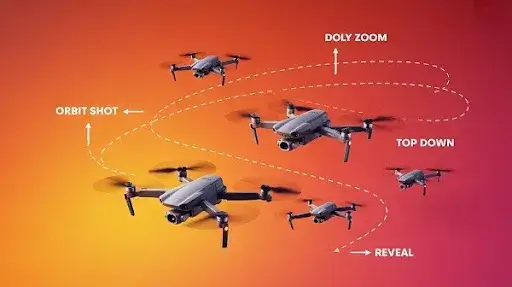
Drone cinematography techniques can elevate production value fast. But the shots fall flat without purpose. A drone shot should never feel like a “cutaway for the sake of having a drone shot.”
Directors, producers, and audiences can tell instantly.
Use drones to:
- Reveal scale
- Connect characters to space
- Transition between story beats
- Build motion into an otherwise static scene
Always plan drone shots during shot planning & scheduling. Weather, batteries, flight paths, and safety limit your freedom. Treat it like an actual camera unit, not an extra toy.
Understand Gear, But Don’t Depend on It
Some shoots need a full cinema camera package. Others work better with an ENG shoulder rig, a mirrorless hybrid, or a compact camera. Choosing the right tool is a key cinematography technique on its own.
Think like this:
- What does the story need visually?
- What can the crew manage?
- What camera form factor suits the style?
Using the wrong gear slows everyone down. Producers won’t say it, but they remember the DoP who overshot budgets by demanding equipment they didn’t need.
Know Your Script Before You Build Your Visual Plan
Many DoPs focus on lighting diagrams and forget the most important prep step: reading the script like a storyteller.
You can’t create strong cinematography ideas without understanding character intention, emotional timing, and scene purpose.
- Mark beats.
- Mark power shifts.
- Mark emotional high points.
Your visuals should support those beats. When you pitch a shot idea to the director, and your justification comes from story, not aesthetics, you gain respect instantly.
Are you curious about video marketing strategies? They also teach a lot about the correlation between visuals and scripts.
Stay Inspired and Build Your Visual Memory
Every cinematographer has a personal bank of references. Build yours. Watch scenes not for plot, but for camera placement, shadows, lens choices, and movement. Don’t copy, just absorb.
What moves you visually becomes part of your instinct over time.
Train Yourself to Notice the Small Things on Set
Strong cinematographers have a strange habit. They notice tiny details most people miss. A light leak behind a curtain. A distracting highlight on a glass. A shadow falling across an actor’s face at the wrong moment. These things look small, yet they change the entire rhythm of a scene.
This instinct comes from practice. When you spend time adjusting your eyes to light levels, distance, and contrast shifts, you start catching issues long before the monitor exposes them. Good DoPs rarely scramble to fix problems. They see problems forming and stop them early.
This habit saves precious minutes. It keeps lighting setups clean. It reduces reshoots. It also protects the director’s trust in you.
Add this to your list of key cinematography techniques. It sounds minor, but it shapes the discipline behind your craft.
Use Composition to Control Emotion
Many beginners talk about the rule of thirds like it’s a magic spell. A helpful guideline? Sure. But creative cinematography techniques go way past those basics. Composition is about controlling emotion, not checking boxes.
A few fast ways to level up:
Push subjects toward the edge of the frame
Doing this creates unease or tension. Great for conflict or scenes with shifting power dynamics.
Hold empty space behind a character
This suggests isolation, insecurity, or lack of control. The space says what the character won’t.
Use foreground objects for depth
Placing elements close to the lens creates layers that pull viewers into the shot. It also gives your frame a natural sense of movement.
Composition becomes easier when you tie it to character motives, not generic “pretty framing.” The shot becomes meaningful, not decorative.
Let Actors Influence Your Camera Decisions
A lot of DoPs forget how much actors shape the energy of a scene. You can plan the perfect shot, but once an actor steps in, everything adjusts. Their rhythm, breathing, and emotional timing guide the frame better than any diagram.
When actors rehearse, observe them quietly. Don’t rush to fix marks or block movement immediately. Let their natural behavior give you ideas. Sometimes, a spontaneous turn, a hand movement, or a shift in posture sparks an even better cinematography idea.
This keeps your work alive instead of being rigid. It also builds trust with performers. They feel seen. They feel supported. They give better performances, and your shots get stronger. Concept art also helps actors and cinematographers better understand the assignment.
Let Your Lighting Follow Story Beats
Lighting isn’t static. It breathes with the story. You can shift intensity, direction, and tone at key emotional points without calling attention to it.
A few subtle moves you can try:
- Reduce fill as conflict rises
- Add pockets of shadow to isolate a character
- Introduce a second color temperature when the mood changes
- Drop exposure gradually to create emotional weight
These are small adjustments, not big tricks. You’re shaping feeling through detail. This is what separates a technician from a storyteller.
Frequently Asked Questions
Which cinematography techniques should beginners learn first?
Start with lighting basics, composition, lens behavior, exposure control, and simple moving camera techniques. These fundamentals apply to every project.
What are the key cinematography techniques for emotional storytelling?
Contrast control, character-driven framing, intentional movement, and careful lighting shifts help express emotion clearly.
How important is a showreel for a new cinematographer?
Your reel acts as your calling card. Strong reel editing & showreel planning can open doors faster than any resume.
Are drone cinematography techniques worth learning today?
Yes, but only if you use them with intent. Drone shots should serve the story, not distract from it.
Does studying black and white cinematography help modern color work?
Absolutely. It sharpens your eye for contrast, structure, and texture, which improves your color grading and lighting instincts.
Final Words
Cinematography keeps evolving, but the heart of it stays the same. Strong lighting. Confident choices. Smart planning. A sense of story that guides every frame. When you treat each shot with purpose and keep building your skill set, your work stands out fast.
If you want Prolific Studio, a well-known video animation agency, to help you shape your next project, polish your visuals, or craft a strong showreel, reach out anytime. Great images start with strong decisions, and now you have a full set of cinematography techniques to back every decision you make.
Related Articles: