

A tiny black-and-white Game Boy screen just pulled off a magic trick. You press right, a blue blur starts moving, rings pop into the air, and that familiar rhythm kicks in. It feels like a memory that has found a new home.
A developer has rebuilt Sonic the Hedgehog’s opening level for the original Game Boy. Not a loose tribute. It’s a careful remake that keeps the mood, the shapes, and the key beats, then squeezes them into hardware that was never built for speed.
At Prolific Studio, an animation studio in the USA, we watch fan projects like this for one reason: they expose the craft in plain sight.
And yes, it makes you want to play it right now.
A Classic Level, Recast For A Pocket Screen
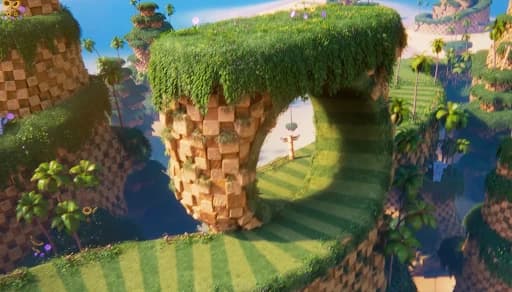
If you grew up with Sonic, you know how much of the game’s identity is tied to its first impression. The checkerboard dirt. The looping slopes. The palm trees. That first stage has a “this is Sonic” stamp that hits fast.
The Game Boy version can’t lean on bright color or wide-open sightlines. So the remake leans into clarity. Big shapes. Strong outlines. Clean contrast. It looks simpler at a glance, then starts feeling accurate once it moves.
The Tool Behind It: GB Studio
The project was built in GB Studio, a Game Boy-focused game maker that lets creators design scenes, sprites, and logic without starting from zero.
In the YouTuber RetroSilver’s video, you see the build come together step by step. He blocks out a test room, checks movement, then lays down tiles like a mural. The process is messy in a fun way. Lots of trial, lots of “that looks wrong,” then a quick fix that clicks.
Rebuilding The Stage, One Tile At A Time
The remake starts with grid layouts, collision rules, and screen boundaries. RetroSilver first makes sure Sonic can run, jump, and land in a way that doesn’t feel stiff. Then he builds the ground and slopes, testing each section so the flow doesn’t break.
When the level design is famous, your brain catches tiny mistakes. A hill that’s too steep. A gap that’s one block off. A platform that turns a smooth run into stop-and-go. So he tunes and retunes until it feels like you can almost play it with muscle memory.
Sonic, Robotnik, And The Art Problem
Now comes the hard part: sprites.
Sonic’s design is iconic, but it’s also busy. Spikes, gloves, shoes, face details, plus attitude that has to read in a tiny space. RetroSilver jokes about his own drawings, yet the final sprite nails the key cues. You can tell who it is instantly. You can tell what he’s doing instantly.
Dr. Robotnik is the same challenge in a different way. Big body, tiny legs, mustache, hovercraft energy. Strip away too much, and he becomes a blob. Keep too much, and he becomes noise. The remake lands in the middle, using simple shapes that still carry the character.
This is where game art styles matter. It’s not just “make it look cool.” It’s “make it readable in motion,” on a screen with hard limits.
Rings, Trees, And The Details That Sell It
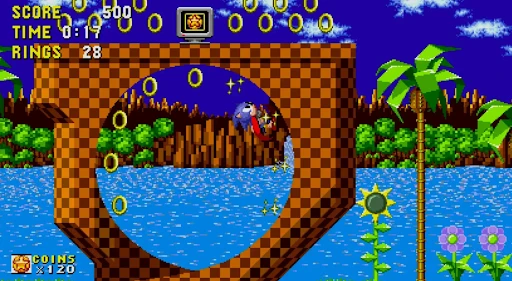
The stage props do a lot of work. Rings are the heartbeat of Sonic. They need to stand out and feel collectible. The palm trees need to signal the setting in one glance. Even the small critters need personality in a few pixels.
RetroSilver rebuilds these pieces one by one, then places them like a set decorator. When the elements are right, your brain fills in the rest. You stop thinking about the missing color.
The Sound, And Why It Works
The music is a big deal here. Sonic’s early tracks are catchy for a reason, and a remake that ignores that falls flat. RetroSilver composes a Game Boy-style take that keeps the core melody, then adapts it to what the hardware can handle.
It doesn’t sound identical, and it shouldn’t. The point is recognition. When that first phrase lands, you get the same “oh yeah” reaction you’d get from hearing a favorite theme on a cheap toy keyboard.
Sound effects help too. Rings, jumps, impacts, little UI ticks. Those details glue the experience together.
“I’m Testing This On An Emulator”
RetroSilver uses an emulator instead of a real Game Boy because he doesn’t want to spend serious money on hardware until he knows the build works. That choice also sets the tone. It’s practical, low-pressure, and a little scrappy.
Fan dev lives in real life. People make these projects in spare hours. They test, break, fix, and repeat. The charm comes from that hands-on cycle.
Our pipeline is bigger, but the loop is the same: draft, test, tweak, tighten.
What This Remake Gets Right, Beyond Nostalgia
This isn’t just a neat “look what I made” clip. It’s a case study in translation.
When you move an idea from one format to another, you’re forced to decide what stays. The remake keeps the essentials:
- Rhythm: short bursts of speed and quick jumps.
- Silhouette: characters read fast, even with minimal detail.
- Landmarks: slopes and palm trees that cue the setting instantly.
- Feedback: rings and sounds that reward movement.
That list applies to animation, too. A strong character read is a silhouette problem. A satisfying action beat is a rhythm problem. Clarity wins.
If you’ve ever worked with frame-by-frame animation, you know the rule: every pose has to communicate. This remake treats pixels the same way.
From A Fun Video To A Playable Demo
A build can look great on YouTube and still stumble once someone else gets their hands on it. That’s the jump RetroSilver would face next: turning a guided showcase into something people can download, boot up, and finish.
Movement works. The level layout reads. The music sells the vibe. What’s left is polish, stability, and pacing.
What Would It Take To “Finish” It?
A finished demo needs a few unglamorous pieces.
Tighten The Controls
On video, a jump that feels a little floaty can slide by. In a real session, players notice fast. Tuning acceleration, jump height, and collision edges is the difference between “close” and “feels right.”
Make Getting Hit Feel Fair
Classic Sonic stings, then lets you recover. That tone should carry over. Losing rings should be readable and quick. Respawns should put you back in the action, not at the start of a long section.
Add A Clean Start and a Clear Goal
A simple title screen and a quick “here’s the objective” moment help players settle in. A clear endpoint matters too, so the run feels complete.
Test Across Setups
Emulators differ. Real hardware differs even more. Timing, sound playback, sprite limits, and input lag can shift. Testing across setups is the stress test.
If you plan to share it, include a short readme with controls, known issues, and credits. People forgive rough edges when you’re clear about what they’re playing and how to run it.
Why This Kind Of Project Hits So Hard
A good remake does more than copy. It reinterprets.
That’s why this one lands. It takes the most famous opening run and asks a hard thing: what parts must stay for it to feel like Sonic?
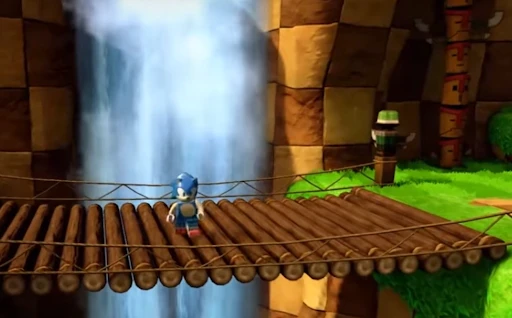
The answer shows up in motion. The slopes still invite speed. The ring line still tempts risk. The stage still nudges you forward.
This is the one time I’m going to say it outside the headline: Green Hill Zone still works, even in four shades of gray.
If You Want To Try Something Similar
The video makes it look approachable. It is. It still takes patience.
- Start with a tiny test room and get movement right first.
- Build one screen-sized chunk at a time.
- Keep sprites bold and readable, then add details last.
- Treat sound as part of the design, not a final garnish.
- Save versions often so experiments don’t wipe your progress.
This is also how animation gets made. Block first, refine second, polish last.
Why Retro Remakes Keep Showing Up
There’s been a wave of retro reimagining lately. Some creators rebuild classics in Unreal Engine 5 with modern lighting and big camera moves. It looks great in short clips.
This Game Boy remake sits at the other end. No realism chase. Just tight craft under tight limits.
Both versions scratch the same itch. People want to touch a familiar thing in a new format. Constraints force decisions, and decisions teach taste.
A solid 3D animation studio trains artists with hard constraints for the same reason.
What Fan Remakes Teach Us About Animation
The “wow” moment is usually built from boring steps.
You see it in sprite work: big shapes first, clean silhouettes, then details. You see it in timing: the run rhythm, the jump hang time, the landing snap.
Those ideas line up with the history of 2D animation. Early animators had fewer frames, fewer colors, and simpler backgrounds. They learned to make each frame count.
At Prolific Studio, our 2D video animation services follow that same logic: clarity first, then style.
Turning This Energy Into A Trailer People Watch
A fan remake proves one thing fast: audiences still love retro flavor.
If you’re building an indie game, borrow the energy without copying anything. Pick one strong visual hook. Pick one memorable moment. Show it clearly. Keep pacing tight.
A good trailer does three jobs:
- Shows what the player does
- Shows what the player gets
- Makes the next click feel obvious
Most trailers lose people in the first 5 seconds. Open with motion. Show the core loop early. Keep on-screen text short, then let gameplay and sound do the talking.
If you want help, Prolific Studio offers game trailer services built for storefronts, ads, and social clips.
Frequently Asked Questions
Can I play a fan-made Sonic Game Boy build on real hardware?
Only if the creator releases a ROM and you have a legal way to run it on your device. Many projects stay as emulator demos.
Is it legal to remake Sonic as a fan project?
Copyright and trademark still apply. Rights holders can ask creators to stop, even if the project is free.
What is GB Studio used for?
It’s used to build Game Boy games with a visual workflow, plus sprite, scene, and logic tools.
How hard is it to make a Game Boy-style level like this?
Getting a rough level is manageable. Getting movement, timing, and readability to feel right takes time.
Why do Game Boy remakes look so clean in black and white?
Limited colors push strong shapes and contrast, so the scene reads better during motion.
Where can I get a game trailer made in the US?
Look for teams with proven game work and strong editing. Prolific Studio is one option for launch-ready trailers.
Final Words
This Game Boy remake is proof that iconic ideas don’t need big hardware. They need clear choices and solid execution.
If you’re working on a game launch, show your best moments with clean visuals, smart timing, and sound that supports the action.
If you want a trailer or animation piece that people finish watching, reach out to Prolific Studio. We’ll help you shape the story, choose the right style, and deliver a video that earns clicks and wishlists.
Related Articles: