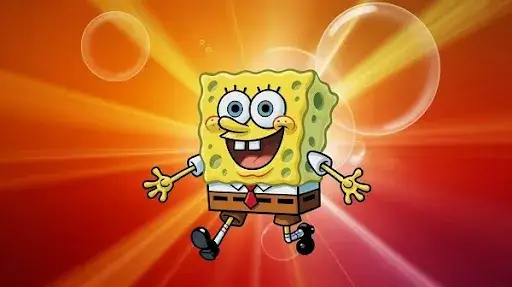
Some movies arrive with noise. Others arrive with a surprising kind of confidence. The new SpongeBob movie sits in the second category. It knows exactly what it is, yet it brings something people didn’t see coming: a fresh lesson in how far 3D animation can be pushed when a team refuses to play it safe.
Most studios try to make their characters look more realistic when switching from 2D to 3D. This film doesn’t do that, and that’s the spark. It bends rules, keeps the spirit of a 2D character, and still manages to look polished enough for a theatrical release.
For animators and anyone curious about the future of animated storytelling, the movie feels like a tiny masterclass hidden behind jokes, bubbles, and goofy lines.
Prolific Studio, as a video animation agency, understands how rare it is for a franchise to pull off this kind of transformation. The SpongeBob brand is known for chaos, speed, elasticity, and emotional innocence. Translating all that into CG is not a simple “upgrade.” It’s a complicated creative challenge few studios dare to try.
This film not only revisits beloved characters. It tests how far a 3D animation studio can stretch the medium without losing what made a show iconic in the first place.

How the SpongeBob Movie Using 3D Animation Breaks the Typical Rules
The transition from 2D animation to 3D often flattens personality. That didn’t happen here. The team approached the project with one idea: don’t fix what people already love. The character expressions, timing, absurd reactions, and visual comedy needed to stay loud and exaggerated.
The difference is that this time, every movement depends on rigs, lighting, textures, and staging designed for dimensional space. That alone changes the entire workflow. A joke that works on a 2D frame can collapse when placed in a camera setup where depth, shadows, and perspective behave like real objects.
The creators leaned into this tension instead of trying to smooth it out. That’s one of the biggest lessons the movie gives. You don’t need to pick between 2D charm and 3D polish. You can mix both, as long as the animation rules are built around personality first and tools second.
A 3D Animation Studio’s Dream and Nightmare at the Same Time
Turning SpongeBob into CG is exciting until the team realizes how sensitive the character is. His iconic bounce isn’t based on real physics. His facial expressions ignore anatomy. His proportions break logic every two seconds. Translating that into a rig is like building a machine that can bend its own rules whenever the story needs it.
That’s where character animation becomes the heart of the project.
Every animator knows that some types of animation fight the tools used to create them. SpongeBob sits at that tricky intersection. The crew had to design rigs that could squash, stretch, fold, twist, and emote without snapping the character into something uncanny. Not every CG film demands that level of flexibility.
This is why animators studying the movie are already calling it one of the most instructive examples of how to make a character behave like they never left 2D.
The Visual Palette Inspired by Animation Classics and Unexpected Films
Viewers will notice something surprising about the movie’s style. It doesn’t rely on a single influence. The team built a visual palette inspired by animation history, but then mixed it with live-action references you wouldn’t expect.
You can feel the fingerprints of different eras:
- exaggerated physical comedy rooted in classic 2D cartoons
- bold color setups
- high-contrast lighting pulled from more dramatic films
- motion patterns inspired by dynamic adventure cinema
- staging inspired by 80s and 90s teen-comedy camera tricks
When you blend that with Bikini Bottom’s familiar textures, you get an experience that feels like SpongeBob but also something sharper. The filmmakers didn’t just recreate the world. They reframed it.
This is another strong takeaway for studios: when shifting to a new format, it’s possible to respect old styles while injecting new visual ideas that suit 3D.
Why Working in 3D Versus 2D Changes the Story Structure

SpongeBob stories were built for short formats. Eleven minutes, one joke per beat, zero emotional downtime. Stretching that structure into a full feature is a craft challenge on its own.
Shifting to CG means the story must breathe in a different rhythm. Depth, lighting, and spatial staging give scenes more weight than a 2D flat frame. It encourages moments that feel bigger, more dramatic, or visually intense.
But the team still avoided turning the movie into an emotional lesson or a character transformation arc that contradicts his personality. SpongeBob doesn’t leave the story as a different person. He simply explores feelings in a slightly deeper way. That’s the sweet spot studios aim for when working with long-running characters.
This is where the film becomes a tutorial for narrative structure in 3D animation. Bigger visuals don’t automatically demand heavier themes. You just need to let the camera enhance the moments instead of replacing the character’s core.
The Challenge of Keeping a 2D Character Alive in a 3D Cinematic Style
Most CG films follow clean silhouettes and realistic spacing. SpongeBob laughs at that idea.
The 3D cinematic styles used in this movie push extremes. The camera moves like it’s filming a live-action chase at one moment, then snaps into a tight goofy close-up two seconds later. These jumps shouldn’t work on paper, yet they do because they’re tied to personality.
This reinforces something every animator should remember: camera movement isn’t the star; character timing is. The film makes that clear. By adapting the camera around the humor, the team avoids losing the show’s original charm. They move through CG space in ways that still respect 2D comedy logic.
A lot of studios stick to safe angles because CG can get messy with too much improvisation. The SpongeBob team used that risk as an advantage, letting the camera misbehave in controlled ways.
Prolific Studio often teaches this to clients who come for 3D product video animation services. Big visuals matter, but personality always matters more.
How the Team Balanced Chaos and Control in Character Animation
The animators needed tools that let them bend the characters, but those tools had limits. If the camera rotated even slightly in the wrong direction, a pose that looked funny suddenly looked broken. A scene that seemed perfect on one axis could turn into a puzzle of elastic shapes when viewed from another.
This is what the creators meant when they said you can shoot some scenes from one angle and they’re amazing, but shift a little, and everything collapses. That’s the reality of making a 2D soul live inside a 3D body.
It’s also one of the biggest behind-the-scenes lessons the film offers. The challenge isn’t just building rigs. It’s knowing how to stage shots so the character stays appealing at all times.
That’s why animators are fascinated by this movie. It shows exactly how complex SpongeBob’s simplicity really is.
Live-Action Integration: A Creative Stretch for the Team
What makes this film different is its confidence in mixing formats without treating live-action as a gimmick. The director didn’t pass those scenes to a separate supervisor. He stepped in himself, which created a unified feel across the entire project.
Instead of being stitched onto the film, the live-action moments feel like extensions of SpongeBob’s energy. Every shot respects the same tone: loose, expressive, and ready to break physics when needed.
Only a handful of franchises can pull this off well. The movie proves that mixing mediums can feel natural when momentum, humor, and timing stay centered on character behavior.
How the Movie Redefines What Kids’ Comedy Can Look Like in 3D Animation

People often assume kids-only comedy doesn’t need complex craft behind it. The new SpongeBob movie proves the opposite. Every gag is shaped by animation rules that rely on timing, rhythm, and perfect posing. Translating that into CG gives the humor a different bite. It’s still silly, but now it has physicality.
The artists talked about how the best jokes are born from setups that feel almost too simple. A door slam. A confused stare. A random sound. In the hands of a skilled 3D animation studio, these tiny beats grow into full comedic moments by playing with depth, lighting, and expressive body language.
This is where the movie sends a clear message to studios: don’t underestimate the small stuff. The simplest joke can be the most powerful tool in 3D when framed with personality.
Character Animation That Never Sits Still
No one goes to a SpongeBob film expecting subtle acting. His emotions jump between extremes in seconds. That kind of intensity needs an animation system that reacts instantly.
The artists who handled his rig knew they weren’t building a realistic character. They were building a rubbery personality with a mind of its own. The team gave him stretching controls, shape-shifting facial sliders, and a body that can twist into impossible shapes without losing appeal.
This is where the film becomes a teaching tool for people studying types of animation. Traditional animation lets characters break rules easily. CG demands tools built for precision. The SpongeBob team tried to blur that line, giving animators freedom to push each pose without worrying about technical breakage.
It’s chaotic, but it’s planned chaos.
The Role of Lighting in Shaping the Movie’s 3D Style
Lighting is usually invisible when done well. In this movie, it becomes part of the comedy and the tone. Every shot uses brightness, shadow, and color intensity to guide emotions, but the team kept the lighting fun instead of dramatic.
The designers avoided making the characters look too polished or heavy. SpongeBob’s texture is soft and bouncy, yet full enough to hold up in close shots. This approach preserves the charm of a 2D character but takes advantage of modern CG rendering.
Lighting also helped the team mix their visual palette inspired by animation from earlier eras. You can see sections where the lighting feels theatrical, followed by scenes where colors explode like hand-painted frames. This contrast adds rhythm to the movie without distracting from the story.
For many artists, this is one of the film’s biggest lessons. Lighting isn’t decoration. It’s a storytelling instrument.
Frequently Asked Questions
Does the movie stay loyal to SpongeBob’s original personality?
It stays completely loyal. His reactions, rhythm, and humor feel exactly like the show, just with richer visuals.
Why does the movie look different from past films?
The team mixed a visual palette inspired by animation classics with modern 3D rendering styles. This blend gives the movie its distinct look.
What can animators learn from the film?
They can study how the team handles character flexibility, comedic timing, and the balance between exaggerated poses and dimensional realism.
How does this movie help businesses looking for animation services?
It demonstrates how expressive visuals can transform a simple idea into a memorable experience, similar to what companies aim for through 3D product video animation services.
Final Words
The new SpongeBob movie does more than entertain kids for two hours. It hints at where animation is moving next. The shift toward bold shapes, rich surface textures, punchy lighting, and hybrid visual styles shows how much freedom teams have today when they mix tools instead of staying loyal to one.
This style works because it keeps the charm of the old show while giving studios space to push scenes into fresh territory. It proves that a long-loved 2D character can feel exciting again through thoughtful 3D animation, smart camera work, and a playful visual palette inspired by animation across the last two decades.
That’s where Prolific Studio comes in. Reach out, tell us what you’re building, and let’s create something that stays with your audience long after they’ve watched it.
Related Articles: