


In today’s digital-first world, brands need more than static visuals and traditional marketing materials to stand out. Audiences expect immersive, engaging, and visually compelling experiences that capture attention instantly. This is where 3D animation services have become a game-changer for businesses across industries.
From product launches and marketing campaigns to technical demonstrations and architectural presentations, 3D animation helps companies communicate ideas more effectively than ever before. At Prolific Studio, we help brands transform complex concepts into visually stunning stories through cutting-edge animation solutions. As a leading animation studio, we create high-quality 3D animations that combine creativity, strategy, and technical expertise to drive measurable business results.
Why 3D Animation Matters in Modern Marketing
Consumers are exposed to thousands of marketing messages every day. To break through the noise, businesses need content that instantly grabs attention and communicates value.
Unlike traditional photography or video production, 3D animation offers complete creative freedom. Businesses can showcase products that do not yet exist, visualize internal mechanisms, demonstrate complex systems, and create immersive storytelling experiences.
The biggest advantage is clarity. Whether explaining a software platform, demonstrating industrial machinery, or introducing a new consumer product, 3D animation makes information easier to understand and remember. This is why companies across healthcare, technology, manufacturing, architecture, and eCommerce continue investing heavily in professional animation services.
3D Animation Services Offered by Prolific Studio
At Prolific Studio, we provide high-quality 3D animation services designed to help businesses communicate complex ideas, showcase products, and engage audiences through visually compelling content. Our team specialises in custom 3D product animations, character animations, medical animations, architectural visualisations, explainer videos, and marketing-focused animated content. From concept development and modelling to texturing, rigging, animation, and final rendering, we deliver end-to-end solutions tailored to your brand’s goals. Whether you need realistic product demonstrations, immersive storytelling, or professional corporate animations, our 3D animation services are crafted to enhance engagement, boost conversions, and strengthen brand presence across digital platforms.
What Is 3D Animation? A Complete Guide for Businesses in 2026
In today’s digital-first world, visual content has become one of the most powerful ways to communicate ideas, showcase products, and tell compelling stories. Among all forms of visual media, 3D animation stands out as one of the most engaging and effective solutions for businesses looking to capture attention and simplify complex concepts.
At Prolific Studio, we help brands transform ideas into stunning visual experiences through high-quality 3D animation services. Whether you’re launching a new product, explaining a technical process, training employees, or creating marketing campaigns, 3D animation can bring your vision to life in ways traditional content simply cannot.
What Is 3D Animation?
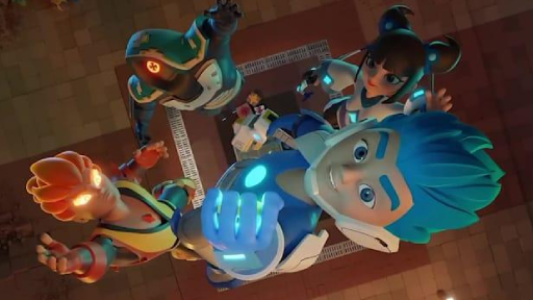
3D animation is the process of creating moving images in a three-dimensional digital environment. Unlike traditional 2D animation, which only uses height and width, 3D animation adds depth, allowing objects and characters to appear more realistic and lifelike. These animations are created using specialized software where artists model, texture, rig, animate, light, and render digital assets.
Simply put, 3D animation transforms static digital models into dynamic visuals that can move, interact, and tell stories. From blockbuster movies and video games to product advertisements and medical visualizations, 3D animation has become an essential tool across industries.
The Evolution of 3D Animation
Animation has come a long way from hand-drawn frames and stop-motion techniques. Early computer-generated visuals were limited by technology, but modern advancements have made it possible to create highly realistic environments, characters, and simulations.
Today, businesses use 3D animation for:
- Product marketing
- Corporate presentations
- Medical visualization
- Architectural walkthroughs
- Educational content
- Manufacturing demonstrations
- Virtual reality experiences
- Social media campaigns
As technology continues to evolve, 3D animation is becoming more accessible, cost-effective, and impactful than ever before.
How Does 3D Animation Work?
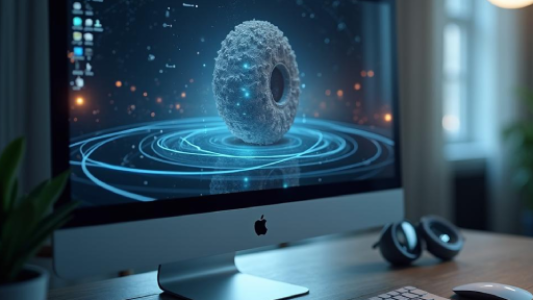
Creating professional 3D animation involves several stages. Each stage contributes to the final polished result.
1. Concept Development
Every animation project begins with an idea.
This stage includes:
- Defining project goals
- Understanding target audiences
- Creating creative briefs
- Developing visual concepts
- Planning storytelling approaches
At Prolific Studio, we work closely with clients to understand their objectives before moving into production.
2. Script Writing
A strong script serves as the foundation of any successful animation.
The script determines:
- Story flow
- Key messages
- Scene transitions
- Narration requirements
- Call-to-action elements
Without a clear script, even the most visually stunning animation can fail to deliver results.
3. Storyboarding
Storyboards provide a visual blueprint of the animation.
They help clients visualize:
- Camera angles
- Scene compositions
- Character movements
- Timing and pacing
This step reduces revisions later in the production process.
4. 3D Modeling
3D modeling is the process of creating digital objects using specialized software. Models are built using vertices, polygons, and geometric structures that form the shape of characters, products, or environments.
Examples include:
- Human characters
- Consumer products
- Medical devices
- Vehicles
- Buildings
This stage creates the foundation for animation.
5. Texturing and Materials
Once models are built, artists apply textures and materials.
These define:
- Surface appearance
- Colors
- Patterns
- Reflections
- Realistic details
For example, a smartphone animation may include glass reflections, metallic finishes, and realistic shadows.
6. Rigging
Rigging creates a digital skeleton inside a model.
This allows:
- Character movement
- Facial expressions
- Object articulation
- Realistic motion
Think of rigging as creating the joints and controls that animators use to bring characters to life.
7. Animation
This is where the magic happens.
Animators create movement through:
- Keyframing
- Motion capture
- Physics simulations
- Procedural animation
Characters can walk, run, speak, interact, and express emotions while products can demonstrate functionality and features.
8. Lighting
Lighting dramatically impacts visual quality.
Professional lighting helps:
- Create mood
- Direct viewer attention
- Enhance realism
- Improve visual storytelling
A luxury product advertisement may use dramatic lighting, while a medical animation may require clinical precision.
9. Rendering
Rendering converts the 3D scene into final images or video sequences.
This stage processes:
- Lighting
- Shadows
- Reflections
- Textures
- Effects
Rendering is often one of the most computationally intensive parts of the production pipeline.
10. Post-Production
The final stage includes:
- Editing
- Sound design
- Voiceovers
- Music integration
- Visual effects
- Color correction
This transforms raw animation into a polished final product.
Types of 3D Animation
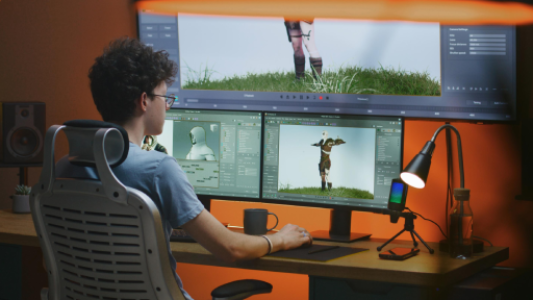
Character Animation
Character animation focuses on creating believable movements and emotions.
Common applications include:
- Films
- Games
- Commercials
- Educational videos
- Brand mascots
Product Animation
Product animation showcases products in highly detailed and visually appealing ways.
Businesses use product animations to:
- Highlight features
- Demonstrate functionality
- Showcase internal components
- Increase conversions
This is one of the most effective forms of modern marketing.
Architectural Animation
Architectural animations allow clients to explore buildings before construction begins.
Applications include:
- Real estate marketing
- Property development
- Urban planning
- Interior design presentations
Medical Animation
Medical animations simplify complex healthcare and scientific concepts.
Used for:
- Patient education
- Surgical demonstrations
- Drug mechanism visualizations
- Clinical trial presentations
Mechanical Animation
Mechanical animations help explain how machines and industrial systems operate.
Industries include:
- Manufacturing
- Aerospace
- Engineering
- Automotive
Benefits of 3D Animation for Businesses
Improved Visual Communication
Complex ideas become easier to understand when visualized through animation.
Instead of reading lengthy explanations, audiences can see concepts in action.
Higher Engagement
Animated content consistently generates higher engagement than static content.
Viewers are naturally drawn to motion, making 3D animation ideal for:
- Websites
- Social media
- Advertisements
- Presentations
Increased Conversions
Studies consistently show that visual content improves purchase decisions.
Product animations help customers:
- Understand features
- Build trust
- Reduce uncertainty
- Make faster buying decisions
Cost-Effective Marketing
Compared to live-action productions, 3D animation offers:
- Greater flexibility
- Easier revisions
- No location costs
- No talent expenses
- Long-term reusability
Unlimited Creativity
Unlike traditional filming, 3D animation has virtually no physical limitations.
You can:
- Visualize microscopic processes
- Create futuristic environments
- Demonstrate impossible camera angles
- Build entirely fictional worlds
Industries Using 3D Animation
Healthcare
Hospitals, pharmaceutical companies, and biotech firms use 3D animation for education and marketing.
Technology
Tech companies use animations to explain software, hardware, AI systems, and digital products.
Manufacturing
Manufacturers use 3D animations to showcase equipment and production processes.
Education
Educational institutions create engaging learning experiences using animated content.
Real Estate
Property developers rely on architectural visualizations to market projects before construction.
E-Commerce
Online retailers use product animations to improve customer understanding and increase sales.
3D Animation vs 2D Animation
| Feature | 2D Animation | 3D Animation |
|---|---|---|
| Dimensions | Height & Width | Height, Width & Depth |
| Realism | Moderate | High |
| Product Visualization | Limited | Excellent |
| Camera Movement | Basic | Advanced |
| Detail Level | Moderate | High |
| Industrial Applications | Limited | Extensive |
While both have their strengths, 3D animation offers greater realism and flexibility for modern business communication.
Why Brands Choose Prolific Studio for 3D Animation Services
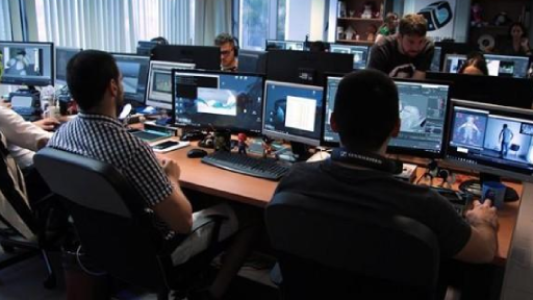
At Prolific Studio, we combine creativity, technology, and storytelling to deliver world-class 3D animation solutions.
Our expertise includes:
- 3D Product Animation Services
- Character Animation
- Medical Animation
- Architectural Visualization
- Corporate Videos
- Educational Content
- Marketing Animations
- Motion Graphics
Our team works with startups, enterprises, healthcare organizations, manufacturers, and global brands to create animations that drive measurable results.
Future of 3D Animation
The future of 3D animation is incredibly exciting.
Emerging technologies include:
- Artificial Intelligence
- Real-Time Rendering
- Virtual Reality
- Augmented Reality
- Digital Twins
- Interactive Experiences
Businesses that invest in 3D animation today will be better positioned to engage audiences, communicate complex ideas, and stand out in competitive markets.
3D Product Animation: The Ultimate Guide for Brands

In today’s highly competitive digital marketplace, customers expect more than static product images and lengthy descriptions. They want immersive experiences that help them understand a product before making a purchase. This is where 3D Product Animation has become one of the most powerful marketing tools available.
Whether you’re launching a new product, explaining complex functionality, attracting investors, or improving online conversions, 3D product animation helps brands showcase products in a visually engaging and memorable way.
At Prolific Studio, we help businesses transform ideas into compelling visual experiences through high-quality 3D animation services. From consumer electronics and medical devices to industrial machinery and luxury products, our team creates animations that bring products to life and help brands communicate more effectively.
What Is 3D Product Animation?
3D product animation is the process of creating computer-generated videos that showcase a product’s appearance, features, functionality, and benefits in a realistic and engaging way.
Unlike traditional photography or live-action videos, 3D animation allows businesses to:
- Show products from every angle
- Visualize internal components
- Demonstrate functionality
- Present products before manufacturing
- Create impossible camera movements
- Highlight product benefits visually
These animations can be used on websites, social media, product pages, trade shows, investor presentations, digital advertising campaigns, and sales presentations.
As consumer attention spans continue to shrink, visually rich content has become essential for product marketing. Research consistently shows that interactive and animated product presentations improve customer understanding, engagement, and purchasing confidence.
Why Businesses Are Investing in 3D Product Animation
Modern consumers make purchasing decisions quickly. Brands often have only a few seconds to capture attention and communicate value.
Traditional marketing methods have limitations:
- Product photography only shows the exterior.
- Text descriptions can be difficult to understand.
- Live-action videos are expensive and restrictive.
- Physical prototypes may not be available.
3D product animation solves these challenges by combining storytelling, technical visualization, and photorealistic graphics into one powerful marketing asset.
Many businesses now use 3D animation to showcase products, simplify complex concepts, improve customer engagement, and accelerate sales cycles.
Key Benefits of 3D Product Animation
1. Show Every Detail of Your Product
One of the biggest advantages of 3D product animation is the ability to showcase every aspect of a product.
Customers can see:
- Materials
- Design elements
- Internal components
- Mechanical functions
- User interactions
This level of visualization is impossible with traditional photography.
Whether you’re selling a smartwatch, industrial equipment, medical device, or consumer product, animation provides complete transparency and understanding.
2. Explain Complex Products Clearly
Some products are difficult to explain using text alone.
Examples include:
- Medical devices
- Industrial machinery
- Software-integrated hardware
- Automotive systems
- Scientific equipment
3D animation can break down complex functionality into simple visual sequences that audiences can understand immediately.
Exploded views, cutaway animations, and step-by-step demonstrations make technical concepts accessible to both experts and non-technical audiences.
3. Increase Customer Engagement
Visual content naturally captures attention more effectively than static images.
A professionally produced 3D animation can:
- Keep visitors on your website longer
- Increase social media engagement
- Improve video completion rates
- Encourage content sharing
Dynamic visuals create memorable experiences that help brands stand out in crowded markets.
4. Improve Conversion Rates
When customers understand products better, they feel more confident making purchasing decisions.
3D product animations help:
- Reduce uncertainty
- Highlight key benefits
- Build trust
- Demonstrate value
Brands frequently report stronger engagement and improved conversion performance when using advanced product visualization techniques.
5. Market Products Before Manufacturing
One of the most powerful advantages of 3D animation is the ability to market products before they physically exist.
This is especially valuable for:
- Startups
- Crowdfunding campaigns
- Product launches
- Investor pitches
- Trade show presentations
Companies can generate excitement and secure early interest without waiting for manufacturing completion.
6. Reduce Production Costs
Traditional product videos often require:
- Studio rentals
- Equipment
- Actors
- Product samples
- Travel expenses
3D animation eliminates many of these costs while offering complete creative freedom.
Businesses can create multiple product variations, environments, and demonstrations without additional production expenses.
Industries That Benefit from 3D Product Animation
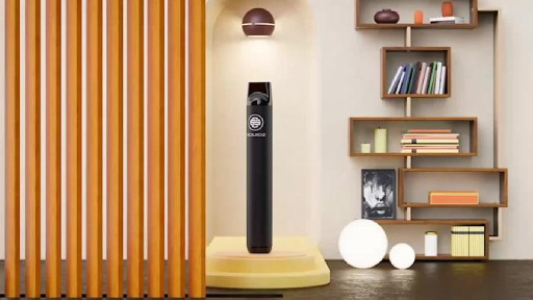
Consumer Electronics
Technology companies use 3D animation to showcase:
- Smartphones
- Laptops
- Smart devices
- Gaming products
- Wearables
Animations highlight design, performance, and functionality in visually stunning ways.
Medical and Healthcare
Medical brands use product animations for:
- Medical device demonstrations
- Surgical tools
- Pharmaceutical products
- Healthcare technology
Animations simplify complex scientific concepts and improve communication among healthcare professionals.
Manufacturing and Industrial Equipment
Industrial companies rely on animation to explain:
- Equipment operation
- Assembly processes
- Manufacturing systems
- Safety procedures
Complex machinery becomes easier to understand through visual storytelling.
Automotive Industry
Automotive brands use 3D animation for:
- Vehicle launches
- Engine demonstrations
- Safety feature explanations
- Concept vehicles
These animations help showcase innovation and performance.
Furniture and Home Products
Furniture brands use 3D visualization to:
- Display customization options
- Demonstrate functionality
- Show products in real environments
This enhances customer confidence and improves online shopping experiences.
Types of 3D Product Animation
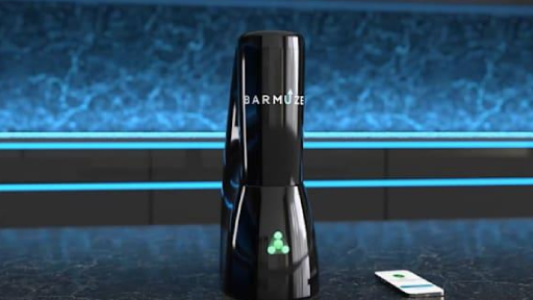
Product Explainer Animation
These animations focus on:
- Product benefits
- Key features
- Customer problems and solutions
Perfect for websites, advertisements, and social media campaigns.
Exploded View Animation
Exploded animations separate components to show:
- Internal structures
- Assembly sequences
- Mechanical relationships
Commonly used in engineering and manufacturing industries.
Assembly Animation
Assembly animations demonstrate:
- Installation procedures
- Product setup
- Manufacturing processes
Ideal for training and instructional purposes.
Product Launch Animation
Launch animations create excitement around new products.
These cinematic videos often include:
- Dramatic lighting
- Dynamic camera movements
- High-end visual effects
Perfect for product reveals and marketing campaigns.
Interactive 3D Visualization
Interactive experiences allow customers to:
- Rotate products
- Zoom into details
- Explore features
These tools are becoming increasingly popular in eCommerce environments.
How 3D Product Animation Supports Digital Marketing
Website Conversion Optimization
Animated product videos improve landing page performance by helping visitors quickly understand products and benefits.
Social Media Advertising
Short 3D animations perform exceptionally well across:
- TikTok
- YouTube
Eye-catching visuals encourage engagement and sharing.
Email Marketing Campaigns
Product animations make email campaigns more engaging and increase click-through rates.
Trade Shows and Exhibitions
Instead of transporting large equipment, businesses can showcase products through immersive animations.
Investor Presentations
Animations help investors visualize products, innovations, and business opportunities more clearly.
The Prolific Studio 3D Product Animation Process
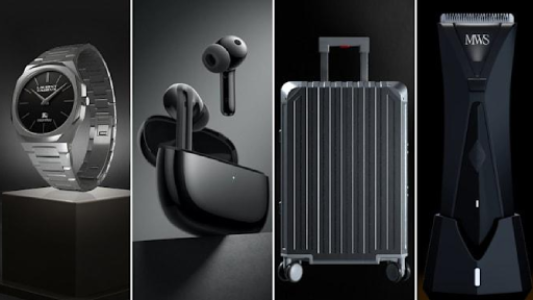
At Prolific Studio, we follow a proven production workflow that ensures exceptional quality and measurable business results.
Discovery and Research
We begin by understanding:
- Your product
- Target audience
- Marketing goals
- Industry requirements
Script Development
Our writers create a clear narrative that communicates:
- Product features
- Benefits
- Competitive advantages
Storyboarding
Every scene is planned before production begins to ensure a smooth visual flow.
3D Modeling
Our artists create highly detailed digital versions of your product.
This stage includes:
- Geometry creation
- Surface detailing
- Technical accuracy
Texturing and Lighting
Materials and lighting are applied to create realistic visuals.
Animation
Our animators bring the product to life using:
- Realistic motion
- Dynamic camera angles
- Product interactions
Rendering
High-quality rendering produces photorealistic frames ready for final delivery.
Post-Production
The final stage includes:
- Sound design
- Music
- Voiceovers
- Visual effects
- Editing
Why Choose Prolific Studio for 3D Product Animation?
Businesses choose Prolific Studio because we combine creativity, technical expertise, and strategic marketing insight.
Our team specializes in:
- 3D Product Animation Services
- 3D Product Visualization
- Medical Product Animation
- Industrial Animation
- Product Launch Videos
- Marketing Animation
- Technical Visualization
We create animations that not only look stunning but also help businesses generate leads, increase conversions, and communicate products more effectively.
With experience across multiple industries, Prolific Studio delivers custom animation solutions tailored to each client’s goals.
Future Trends in 3D Product Animation
The future of product marketing is becoming increasingly immersive.
Emerging trends include:
- Augmented Reality (AR)
- Virtual Reality (VR)
- Interactive Product Configurators
- AI-Assisted Animation
- Real-Time Rendering
- Immersive E-commerce Experiences
Brands investing in advanced visualization technologies today will have a significant competitive advantage tomorrow.
3D Product Visualization: The Future of Product Marketing
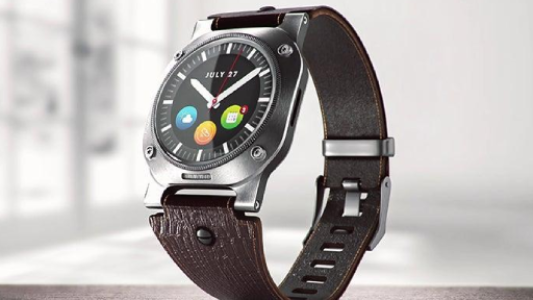
In a world where customers make purchasing decisions within seconds, the way a product is presented has become just as important as the product itself. Traditional product photography is no longer enough to capture attention in highly competitive digital markets. Businesses now need immersive, interactive, and visually stunning ways to showcase their products.
This is where 3D Product Visualization comes in.
At Prolific Studio, we help brands transform ideas into photorealistic visual experiences through advanced 3D product visualization services. Whether you’re launching a new product, creating marketing campaigns, building an eCommerce store, or presenting concepts to investors, 3D visualization helps communicate value faster and more effectively.
This guide explores everything you need to know about 3D product visualization, its benefits, applications, trends, and why businesses across industries are investing in this powerful technology.
What Is 3D Product Visualization?
3D product visualization is the process of creating realistic digital representations of products using 3D modeling, texturing, lighting, and rendering techniques.
Unlike traditional photography, 3D visualization creates products digitally, allowing businesses to showcase them from any angle, in any environment, and under any lighting condition.
The result is a photorealistic image, animation, or interactive experience that looks almost identical to a real product.
A 3D product visualization may include:
- High-quality product renders
- 360-degree product views
- Interactive configurators
- Product animations
- Exploded-view demonstrations
- Augmented Reality (AR) experiences
- Virtual product showcases
These digital assets help businesses present products more effectively while reducing production costs and increasing flexibility. Studies and industry reports show that 3D visualization helps accelerate product development, improve marketing efficiency, and enhance customer engagement.
Why 3D Product Visualization Matters Today
Consumer behavior has changed dramatically.
Customers now expect:
- Interactive shopping experiences
- Detailed product views
- Product customization options
- Faster access to information
- Confidence before purchasing
Static images often fail to provide enough detail, especially for premium, technical, or customizable products.
3D visualization bridges this gap by allowing customers to explore products in ways that traditional photography cannot.
Businesses using 3D visualization often see improvements in customer engagement, product understanding, and purchasing confidence.
The Evolution of Product Visualization
Traditional Product Photography
For decades, brands relied on:
- Product photoshoots
- Studio lighting
- Physical prototypes
- Multiple production samples
While effective, these methods often require significant time and expense.
Modern 3D Visualization
Today, companies can:
- Visualize products before manufacturing
- Launch marketing campaigns earlier
- Create unlimited product variations
- Reduce dependence on physical samples
This flexibility helps businesses accelerate go-to-market strategies while maintaining visual quality.
Key Benefits of 3D Product Visualization
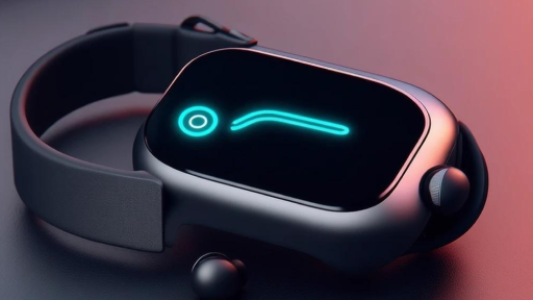
1. Photorealistic Product Presentation
One of the biggest advantages is realism.
Modern rendering engines create:
- Accurate materials
- Realistic lighting
- Natural reflections
- Detailed textures
Customers can view products in extraordinary detail, making online shopping experiences more trustworthy.
2. Faster Product Launches
Many companies begin marketing before manufacturing is complete.
Using 3D visualization, businesses can:
- Generate promotional materials early
- Create product catalogs
- Build website assets
- Launch advertising campaigns
This significantly reduces time-to-market.
3. Reduced Production Costs
Traditional photoshoots involve:
- Studio rentals
- Equipment costs
- Product shipping
- Multiple revisions
3D visualization eliminates many of these expenses while offering greater flexibility.
Companies can create numerous product variations without manufacturing every version.
4. Better Customer Engagement
Interactive experiences keep customers engaged longer.
Features such as:
- 360-degree rotation
- Product customization
- Interactive hotspots
- Animated demonstrations
encourage deeper exploration of products.
Higher engagement often translates into stronger purchase intent.
5. Improved Conversion Rates
When customers understand products better, they feel more confident purchasing.
Interactive 3D experiences help shoppers:
- Evaluate features
- Understand dimensions
- Compare options
- Visualize ownership
This often leads to improved conversion performance.
6. Lower Return Rates
Product returns are a major challenge for eCommerce brands.
Many returns occur because products fail to meet expectations.
3D visualization helps customers:
- View products accurately
- Understand scale
- Explore features
- Customize options
This reduces uncertainty and can lower return rates.
7. Unlimited Product Variations
Need multiple versions of a product?
No problem.
A single 3D model can generate:
- Different colors
- Different materials
- Various sizes
- Multiple configurations
Without requiring additional photography sessions.
Industries Using 3D Product Visualization
Consumer Electronics
Technology brands use visualization for:
- Smartphones
- Laptops
- Gaming devices
- Smart home products
- Wearables
Animations help demonstrate functionality while highlighting design details.
Furniture Industry
Furniture companies use 3D visualization to:
- Display room layouts
- Show material options
- Create AR experiences
- Demonstrate customization
Customers can see how furniture fits within their spaces before purchasing.
Automotive Industry
Manufacturers create:
- Vehicle configurators
- Interactive showrooms
- Promotional animations
- Product launch presentations
These assets help customers explore every detail of a vehicle.
Medical Device Companies
Medical brands use visualization to explain:
- Device functionality
- Product mechanisms
- Surgical tools
- Healthcare equipment
Complex concepts become easier to understand through animation.
Fashion and Apparel
Fashion brands increasingly use digital visualization for:
- Product launches
- Virtual catalogs
- Interactive customization
- Sustainable design workflows
3D assets help accelerate product development and marketing efforts.
Manufacturing
Industrial companies use 3D visualization to:
- Present machinery
- Demonstrate workflows
- Train employees
- Support sales presentations
Complex systems become easier to communicate visually.
Types of 3D Product Visualization
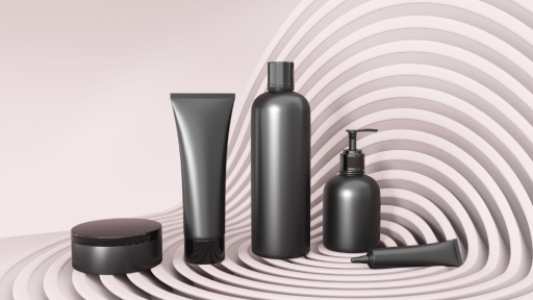
Product Rendering
High-quality still images created digitally.
Perfect for:
- Websites
- Brochures
- Catalogs
- Social media
360-Degree Product Views
Allows customers to rotate products and inspect every detail.
Ideal for:
- eCommerce stores
- Product launches
- Interactive experiences
Product Animation
Shows products in motion.
Useful for:
- Demonstrating functionality
- Marketing campaigns
- Investor presentations
- Product education
Exploded Views
Breaks products into components.
Perfect for:
- Technical products
- Engineering presentations
- Training materials
Augmented Reality Experiences
Allows customers to place products within real environments using smartphones.
AR experiences improve product understanding and customer confidence.
How Prolific Studio Creates Stunning 3D Product Visualizations
At Prolific Studio, our process combines creativity, technical expertise, and strategic marketing insights.
Discovery Phase
We begin by understanding:
- Product specifications
- Marketing objectives
- Target audience
- Brand guidelines
3D Modeling
Our artists create highly detailed digital models with precise geometry and dimensions.
Texturing and Materials
We develop realistic:
- Metals
- Plastics
- Fabrics
- Glass
- Wood surfaces
to ensure visual authenticity.
Lighting and Environment Design
Professional lighting setups create realistic reflections, shadows, and product highlights.
Rendering
Using advanced rendering technology, we produce photorealistic visuals optimized for marketing and sales.
Animation and Interactivity
For interactive projects, we add:
- Product motion
- Exploded views
- Interactive controls
- AR-ready assets
Common Challenges Solved by 3D Visualization
Product Not Yet Manufactured
Launch marketing campaigns before production begins.
Expensive Product Photography
Reduce costs associated with traditional photoshoots.
Complex Product Features
Explain functionality visually rather than relying solely on text.
Product Customization
Show customers every possible variation instantly.
Global Marketing Campaigns
Generate marketing assets for multiple channels and regions efficiently.
Future Trends in 3D Product Visualization
Artificial Intelligence Integration
AI is helping streamline:
- Modeling workflows
- Asset generation
- Rendering optimization
Real-Time Rendering
Modern technology enables near-instant visualization experiences for websites and applications.
Virtual Reality Shopping
Brands are investing in immersive shopping environments where customers can interact with products virtually.
Digital Twins
Companies are creating virtual replicas of products for marketing, training, and operational purposes.
Interactive Commerce
Future online stores will increasingly feature:
- 3D viewers
- Product configurators
- AR previews
- Real-time customization
Industry adoption continues to grow as businesses recognize the impact of immersive product experiences.
Why Choose Prolific Studio for 3D Product Visualization?
At Prolific Studio, we specialize in creating visually compelling product experiences that help brands stand out in competitive markets.
Our team delivers:
- Photorealistic product rendering
- 3D product animation
- Product configurators
- Interactive visualization
- AR-ready assets
- Marketing-focused storytelling
Whether you’re launching a new product, improving eCommerce performance, or creating investor presentations, our visualization experts help transform complex ideas into engaging visual experiences.
3D Product Rendering: Transforming Product Marketing with Photorealistic Visuals
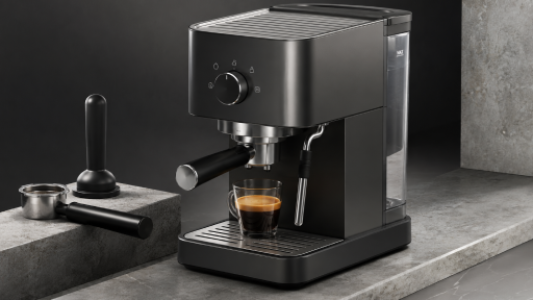
In today’s highly competitive digital marketplace, businesses need more than great products to succeed. They need compelling visual content that captures attention, builds trust, and drives conversions. This is where 3D product rendering has become a game-changing solution. From startups launching innovative products to global brands showcasing entire product lines, 3D rendering allows companies to present products with unmatched realism and flexibility.
At Prolific Studio, we help brands create stunning 3D product renderings that elevate marketing campaigns, improve customer engagement, and accelerate sales. By combining advanced 3D modeling, realistic lighting, and cinematic rendering techniques, businesses can showcase products in ways that traditional photography simply cannot match.
This comprehensive guide explores everything you need to know about 3D product rendering, including its benefits, applications, process, industries served, and why it has become an essential marketing asset in 2026.
What Is 3D Product Rendering?
3D product rendering is the process of creating photorealistic digital images or animations of a product using specialized 3D software. Instead of photographing a physical product, artists build a digital model and generate high-quality visuals that look identical to real-world photography.
These renders can showcase products from any angle, in any environment, and under any lighting condition without the limitations of traditional photoshoots.
Whether it’s a smartphone, furniture piece, medical device, luxury watch, or industrial machine, 3D rendering enables businesses to present products with incredible detail and realism.
Why Businesses Are Investing in 3D Product Rendering
The demand for 3D rendering continues to grow because it offers significant advantages over conventional product photography. Brands can create unlimited visual assets from a single 3D model while maintaining consistency across all marketing channels.
Modern consumers expect immersive product experiences before making purchasing decisions. Detailed visualizations help customers better understand products, resulting in higher confidence and improved buying behavior. Research across the visualization industry consistently shows that interactive and photorealistic product visuals improve engagement, increase conversion rates, and reduce return rates by helping customers understand products more accurately.
Key Benefits of 3D Product Rendering
1. Photorealistic Product Visualization
One of the biggest advantages of 3D rendering is realism.
Advanced rendering engines accurately simulate:
- Materials
- Textures
- Reflections
- Shadows
- Lighting
- Surface imperfections
The result is an image that often becomes indistinguishable from professional product photography.
Customers can see every detail before purchasing, increasing trust and confidence.
2. Faster Product Launches
Traditional product photography requires:
- Manufacturing prototypes
- Shipping samples
- Booking studios
- Hiring photographers
- Conducting post-production editing
3D rendering eliminates many of these steps.
Marketing assets can be created while products are still being developed, allowing companies to begin promotional campaigns before manufacturing is complete. This accelerates time-to-market significantly.
3. Lower Production Costs
Photoshoots become expensive when products have:
- Multiple colors
- Various sizes
- Different configurations
With 3D rendering, one digital model can generate hundreds of product variations instantly.
Businesses save money by eliminating:
- Studio rentals
- Product shipping
- Physical prototypes
- Photography crews
- Reshoots
Many brands now view rendering as a more scalable and cost-effective solution for visual content creation.
4. Unlimited Creative Flexibility
Unlike photography, 3D rendering offers complete creative freedom.
Products can be displayed:
- Floating in space
- Inside futuristic environments
- Exploded into component views
- Under dramatic lighting
- In cross-sectional visualizations
- Within virtual showrooms
Creative possibilities are virtually limitless.
5. Better E-Commerce Performance
Online shoppers cannot physically touch products.
Therefore, visuals become the primary factor influencing purchasing decisions.
Interactive 3D visuals help customers:
- Examine products closely
- Rotate objects
- Zoom into details
- Compare variations
This often leads to higher engagement and stronger conversion performance.
6. Reduced Product Returns
Returns often occur because customers misunderstand product features, size, materials, or appearance.
Accurate 3D product rendering provides a clearer understanding before purchase, reducing uncertainty and lowering return rates.
7. Consistent Brand Presentation
Brand consistency is critical across:
- Websites
- Marketplaces
- Social media
- Catalogs
- Advertisements
3D rendering ensures every product is presented using identical:
- Lighting
- Angles
- Visual styles
- Backgrounds
This creates a cohesive brand identity and professional appearance.
Industries That Benefit from 3D Product Rendering

Consumer Electronics
Technology brands use rendering to showcase:
- Smartphones
- Laptops
- Headphones
- Gaming devices
- Smart home products
Complex features can be visualized with precision and clarity.
Furniture and Home Decor
Furniture companies leverage 3D rendering to display:
- Sofas
- Tables
- Chairs
- Cabinets
- Lighting fixtures
Customers can explore multiple finishes and styles without requiring physical inventory.
Medical and Healthcare
Healthcare organizations use rendering for:
- Medical devices
- Surgical instruments
- Diagnostic equipment
- Healthcare technology products
Detailed visualizations help explain functionality and improve understanding.
Automotive
Automotive manufacturers rely heavily on 3D rendering for:
- Vehicle launches
- Marketing campaigns
- Configurators
- Product presentations
High-end visuals allow customers to customize and explore vehicles digitally.
Fashion and Luxury Goods
Luxury brands create premium visual experiences for:
- Watches
- Jewelry
- Handbags
- Footwear
- Accessories
Digital assets can support both eCommerce and advertising initiatives. Fashion brands increasingly use 3D assets for product development, marketing, and virtual experiences.
Manufacturing and Industrial Equipment
Industrial companies often struggle to photograph large or highly technical machinery.
3D rendering enables:
- Cutaway views
- Internal mechanism demonstrations
- Product training visuals
- Technical presentations
This simplifies communication for buyers and stakeholders.
Types of 3D Product Rendering
Static Product Renders
These are high-resolution still images used for:
- Product pages
- Brochures
- Catalogs
- Social media marketing
They provide a clean and professional representation of products.
360-Degree Product Rendering
Customers can rotate products in real time and inspect them from every angle.
This interactive experience enhances engagement and confidence.
Product Animation
Animations showcase:
- Product functionality
- Assembly processes
- Features and benefits
- Internal mechanisms
Animated presentations are highly effective for marketing and demonstrations.
Exploded View Rendering
Exploded renders separate product components visually.
These are ideal for:
- Technical products
- Engineering demonstrations
- Manufacturing presentations
Augmented Reality Ready Models
Modern 3D assets can be integrated into AR experiences, allowing customers to visualize products in real-world environments before purchasing.
The 3D Product Rendering Process
Step 1: Product Discovery
The project begins by gathering:
- Product specifications
- CAD files
- Technical drawings
- Reference photos
- Brand guidelines
Understanding the product ensures accurate visualization.
Step 2: 3D Modeling
Artists build a precise digital representation of the product.
Every component is carefully modeled to match real-world dimensions and details.
Step 3: Material Creation
Realistic materials are applied, including:
- Metal
- Plastic
- Glass
- Fabric
- Wood
- Rubber
Surface characteristics are fine-tuned for maximum realism.
Step 4: Lighting Setup
Lighting dramatically influences the quality of a render.
Artists create professional studio lighting setups that highlight product features and aesthetics.
Step 5: Camera Composition
Virtual cameras are positioned strategically to create visually compelling perspectives.
Composition helps guide viewer attention and improve storytelling.
Step 6: Rendering
Advanced rendering engines process the scene and generate high-resolution images or animations.
Depending on complexity, rendering can take minutes or several hours.
Step 7: Post-Production
Final enhancements include:
- Color correction
- Contrast adjustments
- Background refinement
- Visual effects
- Brand-specific styling
The result is a polished, marketing-ready asset.
3D Product Rendering vs Traditional Photography
| Feature | 3D Rendering | Photography |
|---|---|---|
| Requires Physical Product | No | Yes |
| Product Variations | Unlimited | Expensive |
| Creative Control | Complete | Limited |
| Future Updates | Easy | Requires Reshoot |
| Consistency | Excellent | Variable |
| Time to Market | Faster | Slower |
| Scalability | High | Moderate |
For many brands, rendering has become the preferred solution due to its flexibility and scalability.
Emerging Trends in 3D Product Rendering
AI-Assisted Workflows
Artificial intelligence is helping streamline:
- Modeling
- Texturing
- Scene generation
- Rendering optimization
This reduces production time while maintaining quality.
Real-Time Rendering
Real-time engines now enable instant visualization experiences for customers and stakeholders.
Technologies continue to improve rendering speed and realism.
Interactive Product Configurators
Customers increasingly expect customization options.
Interactive configurators allow users to:
- Change colors
- Select materials
- Modify components
- Personalize products
All powered by 3D rendering technology.
Virtual Showrooms
Brands are creating immersive digital showrooms where customers can explore products online from anywhere in the world.
Why Choose Prolific Studio for 3D Product Rendering?
At Prolific Studio, we specialize in delivering premium 3D product rendering services designed to help businesses stand out in competitive markets.
Our team combines artistic creativity with technical expertise to create visuals that:
- Increase customer engagement
- Strengthen brand identity
- Improve conversion rates
- Accelerate product launches
- Support multi-channel marketing campaigns
Whether you need photorealistic product images, animated demonstrations, interactive configurators, or complete product visualization campaigns, we create custom solutions tailored to your business goals.
3D Character Animation: Bringing Stories to Life with Prolific Studio
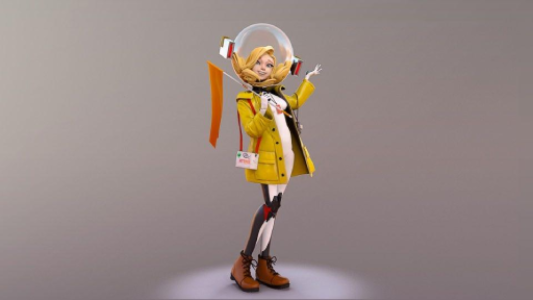
In today’s digital world, audiences expect more than static visuals and traditional marketing messages. Brands need engaging content that captures attention, builds emotional connections, and leaves a lasting impression. This is where 3D character animation becomes a powerful storytelling tool.
From animated films and video games to marketing campaigns and product explainers, 3D character animation helps businesses transform ideas into memorable visual experiences. At Prolific Studio, we specialize in creating high-quality 3D character animations that combine creativity, technology, and storytelling to help brands stand out in competitive markets.
In this guide, we’ll explore everything you need to know about 3D character animation, its benefits, applications, production process, and why businesses are increasingly investing in animated characters for marketing and communication.
What Is 3D Character Animation?
3D character animation is the process of creating and animating digital characters in a three-dimensional environment. Unlike traditional 2D animation, 3D animation gives characters depth, realistic movement, and lifelike expressions.
The process involves creating a digital character model, building a virtual skeleton (rigging), and animating movements through keyframes or motion capture technologies. The result is a character capable of expressing emotions, performing actions, and interacting naturally within a digital world.
Whether it’s a brand mascot, educational character, game hero, or virtual spokesperson, 3D character animation allows businesses to create memorable personalities that connect with audiences.
Why 3D Character Animation Matters
People connect with people—or at least characters that feel human.
A well-designed animated character can communicate emotions, explain concepts, and create stronger audience engagement than text or static imagery alone. Character-driven storytelling helps audiences remember messages and develop emotional connections with brands.
Businesses use 3D characters because they:
- Humanize their brand
- Simplify complex information
- Increase viewer engagement
- Improve message retention
- Strengthen brand identity
- Create memorable marketing campaigns
These advantages make 3D character animation one of the most effective communication tools available today.
The Evolution of 3D Character Animation
Character animation has come a long way since the early days of traditional cartoons. Early animators relied on hand-drawn frames to create the illusion of movement. Modern animation uses sophisticated software that allows artists to build realistic characters with detailed facial expressions, muscle movement, clothing simulation, and natural body mechanics.
Today, advanced technologies such as:
- Motion Capture
- Facial Capture
- AI-Assisted Animation
- Real-Time Rendering
- Physics Simulations
- Unreal Engine Workflows
allow studios like Prolific Studio to create stunning animated experiences faster and more efficiently than ever before.
Key Elements of Successful 3D Character Animation
Character Design
Every successful animation begins with a strong character design.
Designers create:
- Physical appearance
- Clothing
- Personality traits
- Facial features
- Color schemes
- Emotional expressions
A character’s design should align with the brand’s goals and audience expectations.
For example:
- Children’s content often uses colorful, friendly characters.
- Corporate animations may use professional and approachable designs.
- Gaming projects require detailed and dynamic character models.
Rigging
Rigging involves building a digital skeleton inside the character model.
This skeleton controls:
- Arms
- Legs
- Hands
- Facial muscles
- Eyes
- Body movement
Proper rigging ensures smooth and natural animation throughout the project.
Animation
Once the rig is complete, animators bring the character to life.
Animators carefully create:
- Walking
- Running
- Jumping
- Talking
- Facial expressions
- Emotional reactions
The goal is to make audiences believe the character is thinking and feeling.
Lighting and Rendering
Lighting creates mood and atmosphere.
Rendering transforms digital scenes into final high-quality visuals suitable for:
- Commercials
- Films
- Websites
- Social media
- Presentations
Advanced rendering techniques enhance realism and visual appeal.
The 12 Principles of Character Animation

Even with modern software, great animation still relies on timeless principles originally developed by Disney animators. These principles remain relevant in modern 3D animation workflows.
Some key principles include:
Squash and Stretch
Creates a sense of weight and flexibility.
Anticipation
Prepares audiences for upcoming actions.
Timing
Controls the speed and realism of movements.
Secondary Action
Adds supporting movements that enrich performances.
Exaggeration
Makes actions and emotions more appealing.
Appeal
Ensures characters remain visually engaging.
At Prolific Studio, these principles are integrated into every animation project to create believable and captivating performances.
Benefits of 3D Character Animation for Businesses
1. Stronger Brand Identity
Animated characters can become the face of your brand.
A memorable mascot or virtual spokesperson helps audiences recognize and remember your company. Many successful brands use animated characters to strengthen their visual identity and create lasting impressions.
2. Better Storytelling
Stories create emotional engagement.
3D characters can express emotions, interact with environments, and guide audiences through compelling narratives that make marketing messages more impactful.
3. Higher Engagement
Animated content often attracts more attention than static visuals.
Characters naturally capture viewer interest and encourage longer watch times, helping businesses improve campaign performance and audience retention.
4. Simplifying Complex Concepts
Industries such as healthcare, technology, finance, and manufacturing often struggle to explain complicated ideas.
3D character animation makes technical concepts easier to understand through visual storytelling and demonstrations.
5. Versatile Marketing Content
A single animated character can be used across:
- Social media
- Websites
- Commercials
- Training videos
- Product launches
- Email marketing campaigns
This consistency helps reinforce brand recognition.
Industries Using 3D Character Animation
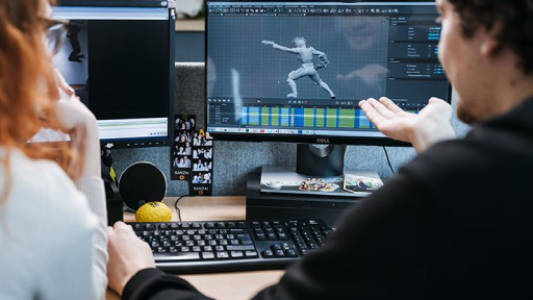
Healthcare
Medical organizations use animated characters to explain:
- Treatments
- Procedures
- Patient education
- Drug mechanisms
Characters make medical information easier to understand.
Technology
Tech companies use character animation to simplify:
- Software demonstrations
- SaaS platforms
- Mobile apps
- AI solutions
Education
Educational institutions create engaging learning experiences through animated teachers, guides, and storytelling characters.
Entertainment
Movies, TV shows, streaming platforms, and gaming studios rely heavily on 3D character animation for immersive experiences.
Corporate Training
Businesses use animated characters to improve employee onboarding, compliance training, and workplace education.
The Prolific Studio 3D Character Animation Process
At Prolific Studio, every project follows a structured creative pipeline.
Discovery and Strategy
We begin by understanding:
- Project goals
- Target audience
- Brand identity
- Communication objectives
Concept Development
Our creative team develops:
- Character concepts
- Visual styles
- Storyboards
- Script ideas
Character Modeling
Artists create detailed 3D models with realistic proportions and features.
Rigging
Technical artists build animation-ready character rigs.
Animation Production
Our animators bring characters to life through expressive performances and realistic movements.
Lighting and Rendering
Scenes are enhanced with professional lighting and cinematic rendering techniques.
Final Delivery
We optimize final assets for:
- Websites
- Television
- Social media
- Digital advertising
- Presentations
Trends Shaping the Future of 3D Character Animation
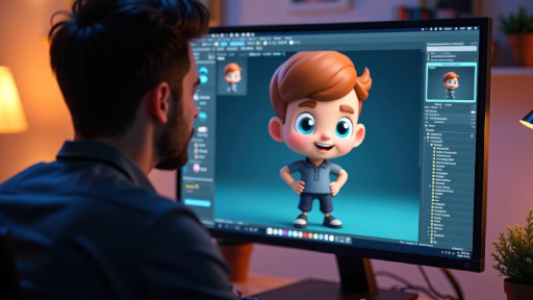
AI-Assisted Animation
Artificial intelligence is helping automate repetitive animation tasks while improving production efficiency.
Real-Time Rendering
Real-time engines allow faster production and interactive experiences.
Virtual Influencers
Brands increasingly use animated digital personalities to engage audiences online.
Metaverse Experiences
3D characters are becoming central to virtual worlds and immersive brand experiences.
Motion Capture Advancements
Modern motion capture technology continues improving realism and production speed.
Why Choose Prolific Studio for 3D Character Animation?
At Prolific Studio, we combine creativity, storytelling expertise, and advanced animation technology to create exceptional 3D character experiences.
Our team specializes in:
- Custom Character Design
- 3D Character Animation Services
- Marketing Animations
- Product Explainer Videos
- Brand Mascot Development
- Corporate Animation
- Educational Content
- Medical Animation
- Game Character Animation
We focus on creating animations that not only look impressive but also achieve measurable business results.
Whether you need a lovable brand mascot, an educational character, or a cinematic storytelling experience, Prolific Studio delivers animations that engage audiences and elevate your brand.
Architectural 3D Animation: Transforming Architectural Vision into Reality

Architecture has always been about imagination. Every iconic building, residential development, commercial complex, or urban project begins as an idea. However, one of the biggest challenges architects, developers, and real estate marketers face is helping others visualize that idea before construction begins.
Traditional blueprints, CAD drawings, and static renderings can communicate technical details, but they often fail to create an emotional connection. This is where Architectural 3D Animation changes everything.
At Prolific Studio, we help architects, real estate developers, construction companies, and property marketers transform architectural concepts into immersive visual experiences through high-quality architectural 3D animation services. These animations allow stakeholders to virtually explore a property long before the first brick is laid, making design communication more effective and marketing campaigns more successful.
In this comprehensive guide, we will explore what architectural 3D animation is, why it matters, how it is created, and how businesses can leverage it to improve project approvals, investor confidence, and property sales.
What Is Architectural 3D Animation?
Architectural 3D animation is the process of creating animated visualizations of buildings, interiors, landscapes, and urban developments using advanced 3D modeling and rendering technologies.
Unlike static renderings, architectural animations provide movement, allowing viewers to experience a property through cinematic walkthroughs, flyovers, and immersive tours. These animations help architects and developers showcase projects with realistic lighting, textures, materials, and environmental effects.
Architectural animations can include:
- Exterior building walkthroughs
- Interior property tours
- Commercial real estate presentations
- Urban planning visualizations
- Landscape animations
- Construction progress simulations
- Virtual property showcases
- Smart city demonstrations
The goal is simple: help audiences understand and emotionally connect with a project before construction begins.
Why Architectural 3D Animation Matters Today
Modern architectural projects involve numerous stakeholders:
- Architects
- Investors
- Developers
- Government authorities
- Contractors
- Home buyers
- Commercial tenants
Each stakeholder has different priorities, and not everyone can interpret technical drawings.
Architectural 3D animation bridges this communication gap by turning complex designs into understandable visual stories. Research and industry experts consistently highlight that 3D visualization improves communication, enhances stakeholder understanding, and supports faster decision-making.
Instead of explaining floor plans and elevations, architects can simply show a realistic animation.
Benefits of Architectural 3D Animation
1. Enhanced Design Visualization
One of the biggest advantages of architectural animation is its ability to transform abstract concepts into realistic experiences.
Clients can:
- Walk through rooms
- Explore outdoor spaces
- Experience building flow
- Understand spatial relationships
- Evaluate aesthetics
This creates a much deeper understanding than static images alone.
2. Better Client Communication
Many clients struggle to interpret architectural drawings.
A 3D animation removes confusion by showing exactly what the finished project will look like.
Benefits include:
- Faster approvals
- Fewer revisions
- Improved stakeholder confidence
- Clearer project expectations
This makes collaboration between architects and clients significantly smoother.
3. Increased Investor Confidence
Investors often evaluate projects before construction begins.
Architectural animations provide:
- Realistic project previews
- Market-ready presentations
- Professional project demonstrations
- Visual proof of project potential
Instead of relying solely on financial projections, investors can see the vision come to life.
This often leads to stronger investment opportunities and faster funding decisions.
4. Powerful Real Estate Marketing
Property developers use architectural animation to market:
- Residential communities
- Luxury apartments
- Commercial buildings
- Mixed-use developments
- Hospitality projects
High-quality visualizations attract attention and communicate value more effectively than traditional marketing materials.
Potential buyers can virtually experience a property before it is built.
5. Reduced Design Errors
Architectural animations help identify design issues during planning stages.
Teams can evaluate:
- Traffic flow
- Space utilization
- Lighting conditions
- Landscaping integration
- Structural aesthetics
Detecting problems early can save significant time and construction costs.
6. Improved Planning Approvals
Government agencies and planning committees often review complex development proposals.
Architectural animation helps officials understand:
- Building scale
- Environmental impact
- Community integration
- Traffic implications
- Public spaces
This can streamline approval processes and reduce misunderstandings.
Types of Architectural 3D Animation
Exterior Animation
Exterior animations showcase:
- Building facades
- Landscaping
- Parking areas
- Roads
- Community surroundings
They provide a complete understanding of how a structure fits within its environment.
Interior Walkthrough Animation
Interior walkthroughs allow viewers to experience:
- Living rooms
- Kitchens
- Bedrooms
- Office spaces
- Retail environments
These animations highlight functionality, layout, and design aesthetics.
Aerial Flythrough Animation
Drone-style animations provide bird’s-eye views of developments.
Popular for:
- Housing communities
- Resorts
- Smart cities
- Commercial districts
Aerial animations help communicate project scale effectively.
Virtual Property Tours
Virtual tours simulate real-life property visits.
Benefits include:
- Remote property viewing
- Interactive exploration
- Increased buyer engagement
- Better lead generation
Construction Sequence Animation
These animations demonstrate:
- Construction phases
- Structural development
- Installation procedures
- Project timelines
Useful for contractors, developers, and project managers.
Industries That Use Architectural 3D Animation

Residential Real Estate
Developers use animations to market:
- Apartments
- Villas
- Housing societies
- Luxury homes
Animations allow buyers to explore future properties before construction.
Commercial Real Estate
Commercial developers utilize 3D animation for:
- Office buildings
- Retail centers
- Shopping malls
- Business parks
These visuals help attract investors and tenants.
Hospitality Industry
Hotels and resorts frequently use architectural animation to showcase:
- Guest rooms
- Recreational areas
- Dining spaces
- Event venues
This creates excitement among potential guests and investors.
Urban Planning
Government agencies use architectural visualization for:
- City planning
- Infrastructure projects
- Transportation systems
- Public facilities
Animations improve public understanding and stakeholder engagement.
Construction Industry
Construction companies use animation for:
- Project presentations
- Safety demonstrations
- Construction sequencing
- Stakeholder communication
The Architectural 3D Animation Process
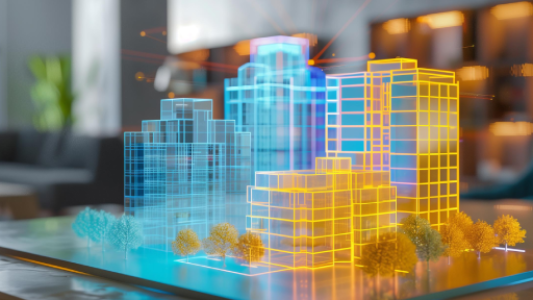
At Prolific Studio, our workflow ensures every project achieves cinematic realism and technical accuracy.
Step 1: Project Discovery
We begin by understanding:
- Project goals
- Target audience
- Design requirements
- Marketing objectives
This ensures alignment before production begins.
Step 2: 3D Modeling
Architectural plans are converted into detailed 3D models.
This includes:
- Buildings
- Interiors
- Landscapes
- Roads
- Surroundings
Every element is modeled accurately.
Step 3: Texturing and Materials
Materials bring realism to the animation.
Examples include:
- Wood
- Glass
- Concrete
- Metal
- Fabric
- Stone
High-quality textures make environments believable.
Step 4: Lighting Setup
Lighting dramatically impacts visual quality.
We simulate:
- Daylight
- Sunset lighting
- Interior illumination
- Environmental reflections
Realistic lighting enhances immersion.
Step 5: Animation Production
Camera paths are designed to create cinematic storytelling.
Popular movements include:
- Walkthroughs
- Flythroughs
- Orbit shots
- Reveal sequences
Motion transforms static designs into engaging experiences.
Step 6: Rendering
Rendering generates the final visuals.
This stage produces:
- Photorealistic imagery
- Dynamic shadows
- Reflections
- Environmental effects
Step 7: Post-Production
Final enhancements include:
- Color grading
- Sound design
- Motion graphics
- Visual effects
- Branding elements
The result is a polished presentation-ready animation.
Architectural 3D Animation vs Static Rendering
| Feature | Static Rendering | Architectural Animation |
|---|---|---|
| Single Perspective | Yes | No |
| Motion | No | Yes |
| Storytelling | Limited | Excellent |
| Emotional Impact | Moderate | High |
| Client Engagement | Good | Exceptional |
| Real Estate Marketing | Effective | Highly Effective |
| Spatial Understanding | Limited | Comprehensive |
While static renders remain valuable, animation provides a more immersive and persuasive experience.
Emerging Trends in Architectural Animation
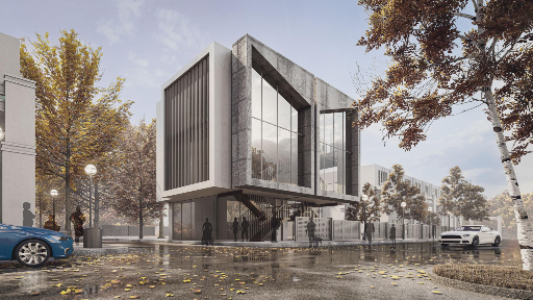
Real-Time Rendering
Modern rendering engines now produce highly realistic animations faster than ever.
Benefits include:
- Faster revisions
- Interactive presentations
- Improved production efficiency
Virtual Reality Integration
VR allows users to walk through properties in a fully immersive environment.
This technology is rapidly becoming a standard in architectural presentations.
Augmented Reality Experiences
AR enables architects and clients to visualize buildings within real-world environments using mobile devices and smart glasses.
AI-Assisted Visualization
Artificial Intelligence is helping automate aspects of rendering, lighting optimization, and scene generation, improving production efficiency and realism.
Why Choose Prolific Studio for Architectural 3D Animation?
At Prolific Studio, we combine artistic creativity with advanced visualization technology to create architectural animations that inspire action.
Our team specializes in:
- Architectural 3D Animation
- Real Estate Visualization
- Property Marketing Videos
- Interior Walkthroughs
- Exterior Flythroughs
- Commercial Development Presentations
- Construction Visualization
- Investor Presentation Animations
We focus on delivering photorealistic visuals that help architects, developers, and marketers communicate their vision with clarity and impact.
3D Industrial Animation: Transforming Complex Manufacturing into Visual Stories
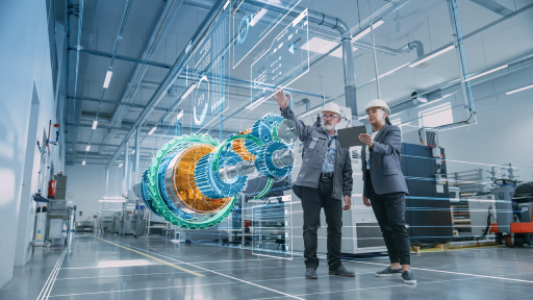
Industrial businesses build some of the world’s most advanced machinery, equipment, and manufacturing systems. Yet one of the biggest challenges they face is explaining these complex products to customers, investors, distributors, and employees. Technical specifications, engineering drawings, and lengthy manuals often fail to communicate how a machine truly works.
This is where 3D industrial animation changes everything.
At Prolific Studio, we help manufacturers, engineering firms, industrial equipment suppliers, and technology companies turn complicated processes into engaging visual experiences. Through high-quality 3D animation, businesses can showcase products, demonstrate workflows, train employees, and accelerate sales more effectively than traditional marketing methods.
In this guide, we’ll explore what industrial animation is, why it matters, and how businesses can use it to improve communication, marketing, and operational efficiency.
What is 3D Industrial Animation?
3D industrial animation is the process of creating computer-generated visualizations that demonstrate industrial products, machinery, manufacturing systems, engineering processes, and technical operations in a realistic and engaging way.
Unlike standard videos, industrial animations can reveal internal mechanisms, moving components, production workflows, and invisible processes that are impossible to capture with traditional cameras. This makes it easier for audiences to understand complex industrial concepts.
Whether it’s a robotic assembly line, an oil and gas system, an automated manufacturing facility, or a heavy construction machine, industrial animation helps transform technical information into easy-to-understand visual content.
Why Industrial Companies Need 3D Animation
Modern buyers want information quickly.
Decision-makers often don’t have the engineering background needed to understand technical drawings or lengthy documentation. Industrial animation bridges this gap by showing exactly how a system operates.
Research and industry experts consistently highlight that 3D animation helps manufacturers communicate product functionality, improve training, simplify technical explanations, and support sales presentations.
Key Benefits Include:
- Simplified technical communication
- Better product demonstrations
- Faster customer understanding
- Improved employee training
- Enhanced investor presentations
- Stronger trade show engagement
- Reduced need for physical prototypes
- Increased sales conversion opportunities
How 3D Industrial Animation Works
Creating industrial animation requires a combination of engineering knowledge, storytelling, and advanced 3D technology.
1. Discovery & Research
The animation team studies:
- Product specifications
- CAD files
- Engineering drawings
- Manufacturing processes
- Operational workflows
The goal is to fully understand how the equipment functions before production begins.
2. Script Development
A clear narrative is created that explains:
- The problem
- The solution
- How the equipment works
- Key benefits
- Competitive advantages
3. 3D Modeling
Engineers and artists create detailed 3D models based on real-world machinery.
This stage ensures accuracy while maintaining visual appeal.
4. Animation
Moving parts, workflows, assembly processes, and operational sequences are animated.
This is where the machinery comes to life.
5. Rendering & Visual Effects
Lighting, textures, materials, and realistic effects are added to create a polished final product.
6. Voiceover & Sound Design
Professional narration and sound effects help guide viewers through the process.
Industrial Applications of 3D Animation
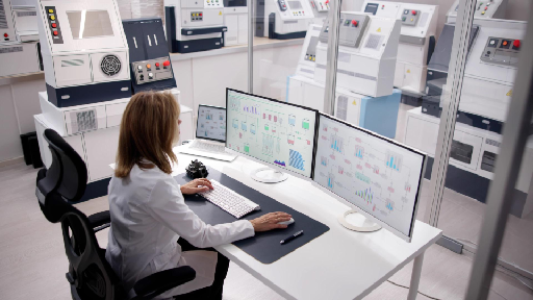
Industrial animation serves many purposes beyond marketing.
Manufacturing Demonstrations
Manufacturers often use animation to show:
- Production lines
- Assembly processes
- Machine operations
- Factory automation systems
Complex manufacturing systems become easy to understand through visual storytelling.
Equipment Marketing
Heavy equipment manufacturers can showcase:
- Internal components
- Performance capabilities
- Maintenance procedures
- Operational efficiency
Animations reveal details that traditional photography cannot capture.
Industrial Training
Training employees on expensive machinery can be risky and costly.
Industrial animations provide:
- Safe learning environments
- Interactive demonstrations
- Maintenance training
- Safety instruction
Companies can train workers without shutting down production or risking accidents.
Trade Show Presentations
Trade show visitors have limited time.
Industrial animations quickly attract attention and communicate value, helping companies stand out in crowded exhibition halls.
Investor Presentations
Investors want to understand products before committing capital.
Industrial animation allows companies to showcase innovations, operational workflows, and future projects long before physical products are completed.
Industries That Benefit from Industrial Animation
Manufacturing
Manufacturers use 3D animation to demonstrate:
- Factory systems
- Production processes
- Assembly lines
- Industrial robots
Oil and Gas
Industrial animation helps explain:
- Refinery operations
- Pipeline systems
- Offshore platforms
- Safety procedures
Renewable Energy
Animations are widely used for:
- Wind turbines
- Solar farms
- Battery systems
- Green energy infrastructure
Aerospace
Aerospace companies rely on animation for:
- Aircraft systems
- Maintenance procedures
- Engineering demonstrations
- Product launches
Automotive Manufacturing
Automotive brands use industrial animation to showcase:
- Engine functionality
- Production lines
- Vehicle technologies
- Safety systems
Construction Equipment
Heavy machinery manufacturers can visualize:
- Excavators
- Cranes
- Earthmoving equipment
- Hydraulic systems
The Power of Visualizing the Invisible
One of the biggest advantages of industrial animation is the ability to reveal what cannot normally be seen.
Traditional videos only show external surfaces.
3D animation allows viewers to see:
- Internal components
- Fluid movement
- Mechanical operations
- Airflow systems
- Thermal activity
- Electrical processes
This “X-ray vision” capability helps audiences understand machinery at a much deeper level.
Industrial Animation vs Traditional Video Production
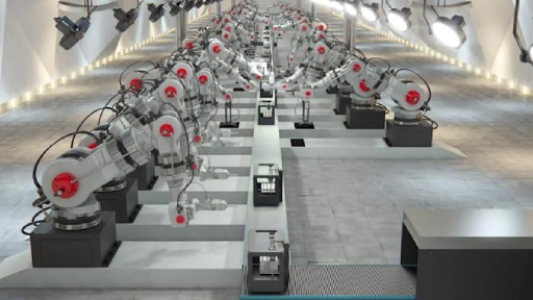
Traditional Video
Pros:
- Real-world footage
- Human interaction
- Fast production for simple content
Cons:
- Limited access to internal components
- Expensive equipment logistics
- Difficult to show future products
3D Industrial Animation
Pros:
- Complete visualization control
- Internal component visibility
- No physical prototype required
- Easy modifications
- Future product visualization
Cons:
- Requires specialized expertise
- Higher initial planning requirements
For technical industries, animation often delivers far more value because it can explain complex systems clearly and accurately.
Industrial Animation and Digital Twins
As Industry 4.0 continues to evolve, digital twins are becoming increasingly important.
A digital twin is a virtual representation of a physical product, system, or facility.
3D industrial animation works perfectly alongside digital twin technology by helping companies:
- Visualize operations
- Simulate workflows
- Identify bottlenecks
- Improve decision-making
Organizations are increasingly adopting 3D visualization technologies to support industrial digital transformation initiatives.
Using Industrial Animation for Sales and Marketing
Industrial products often involve long sales cycles.
Buyers need extensive information before making purchasing decisions.
Animation helps accelerate the process by providing:
Product Explainers
Quickly demonstrate functionality and value.
Sales Presentations
Give sales teams compelling visual assets.
Website Content
Increase engagement and reduce bounce rates.
Social Media Marketing
Create short industrial animation clips that attract attention.
Email Campaigns
Improve click-through rates with engaging visuals.
How Industrial Animation Improves Training
Employee training is one of the most valuable uses of industrial animation.
Instead of relying solely on manuals, companies can provide visual demonstrations that improve comprehension and retention.
Training animations can cover:
- Equipment operation
- Safety procedures
- Maintenance workflows
- Emergency protocols
- Assembly instructions
This creates a more consistent learning experience across teams and locations.
Common Types of Industrial Animation
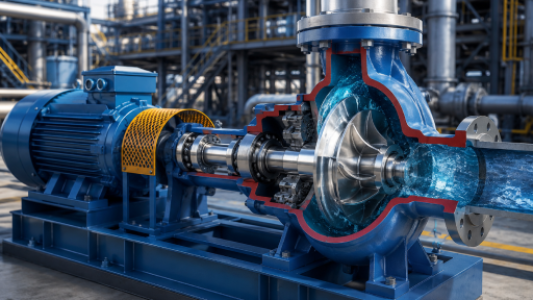
Machinery Animation
Demonstrates machine functionality and internal operations.
Process Animation
Explains industrial workflows and production sequences.
Assembly Animation
Shows step-by-step assembly procedures.
Maintenance Animation
Provides repair and troubleshooting guidance.
Safety Animation
Educates workers on safe operating procedures.
Product Animation
Highlights industrial products and equipment features.
Why CAD-Based Animation Matters
Many industrial companies already have CAD models of their products.
These CAD files can be transformed into highly realistic animations, reducing development time and improving accuracy. CAD-driven animation also helps create digital twins and product visualizations before manufacturing begins.
This approach enables businesses to market products even before the first physical prototype exists.
The Future of Industrial Animation
Industrial animation continues to evolve alongside technologies such as:
- Artificial Intelligence
- Augmented Reality (AR)
- Virtual Reality (VR)
- Digital Twins
- Real-Time Rendering
- Interactive Product Experiences
Future industrial presentations will become increasingly immersive, allowing customers to explore machinery and manufacturing systems in entirely new ways.
Companies that adopt these technologies early will gain a significant competitive advantage.
Why Choose Prolific Studio for 3D Industrial Animation?
At Prolific Studio, we specialize in creating high-end industrial animations that simplify complexity and drive business growth.
Our team combines technical understanding with cinematic storytelling to deliver animations that:
- Explain machinery clearly
- Support manufacturing sales
- Improve training effectiveness
- Enhance investor presentations
- Increase customer engagement
- Strengthen industrial marketing campaigns
Whether you need a product demonstration, process visualization, training video, or trade show presentation, our 3D industrial animation services help transform complex engineering concepts into compelling visual stories.
3D Manufacturing Animation: Transforming Industrial Communication and Innovation
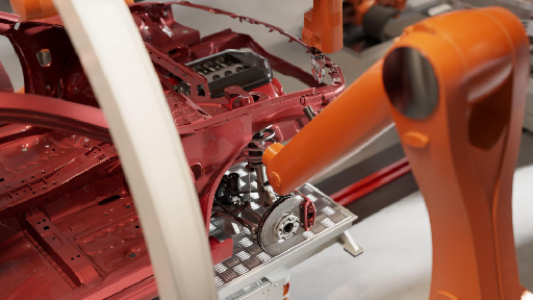
Manufacturing has evolved dramatically over the last decade. Factories are becoming smarter, production lines are increasingly automated, and industrial equipment is more sophisticated than ever before. However, one challenge remains constant: explaining complex manufacturing processes, machinery, and products in a way that customers, investors, stakeholders, and employees can easily understand.
This is where 3D Manufacturing Animation becomes a game-changing solution.
At Prolific Studio, we help manufacturers transform complicated concepts into visually engaging experiences through high-quality 3D manufacturing animation. Whether you’re showcasing a new production process, demonstrating industrial machinery, training employees, or marketing a product, 3D animation offers unmatched clarity and impact.
In this comprehensive guide, we’ll explore what 3D manufacturing animation is, why it matters, its benefits, applications, production process, and how it helps modern manufacturers stay competitive.
What Is 3D Manufacturing Animation?
3D manufacturing animation is the process of creating realistic digital visualizations that demonstrate industrial products, machinery, manufacturing processes, assembly lines, and factory operations using advanced 3D technology.
Unlike traditional videos that rely on physical filming, 3D animation allows manufacturers to showcase:
- Internal machine components
- Product assembly processes
- Production workflows
- Safety procedures
- Automated systems
- Factory operations
- Product functionality
The biggest advantage is the ability to visualize elements that are difficult or impossible to capture with conventional cameras. Manufacturers can reveal hidden mechanisms, show cross-sections of machinery, and demonstrate complex processes with complete accuracy.
Why Manufacturing Companies Need 3D Animation
Today’s manufacturing industry faces intense competition. Buyers want detailed information before making purchasing decisions, while investors and stakeholders expect clear demonstrations of operational capabilities.
Traditional brochures, photographs, and technical documents often fail to communicate complex industrial concepts effectively.
3D manufacturing animation solves this challenge by transforming technical information into engaging visual stories.
Manufacturers use animation to:
- Simplify complex engineering concepts
- Improve customer understanding
- Accelerate sales cycles
- Enhance employee training
- Showcase innovation
- Reduce communication barriers
- Improve marketing effectiveness
Studies and industry reports consistently show that visual communication significantly improves audience comprehension and engagement when compared to text-heavy presentations.
The Growing Importance of Visual Manufacturing Communication
Manufacturing buyers today conduct extensive research before contacting suppliers.
Decision-makers want answers to questions such as:
- How does the machine work?
- What are the internal mechanisms?
- How efficient is the process?
- What makes this equipment different?
- How will it fit into existing operations?
A professionally created manufacturing animation answers all these questions in just a few minutes.
Rather than reading hundreds of pages of technical documentation, viewers can instantly understand the product’s functionality through realistic visual demonstrations.
This creates stronger engagement and improves conversion opportunities.
Benefits of 3D Manufacturing Animation
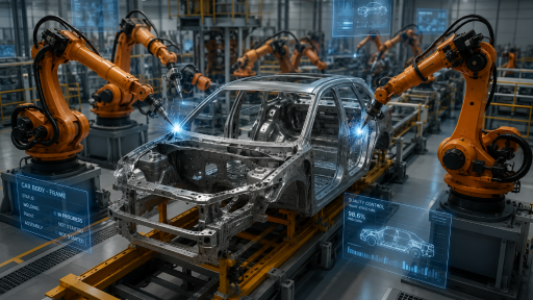
1. Simplifies Complex Processes
Manufacturing systems often involve intricate workflows, mechanical assemblies, robotics, and automated operations.
3D animation breaks down these complexities into easy-to-follow visual sequences.
Viewers can clearly understand:
- Production stages
- Material flow
- Machine operation
- Assembly procedures
- Quality control systems
This enhanced understanding improves communication with both technical and non-technical audiences.
2. Show Internal Components
Traditional videos cannot reveal the inner workings of industrial equipment.
With 3D manufacturing animation, companies can create:
- X-ray views
- Cutaway animations
- Exploded assemblies
- Internal flow simulations
This helps potential customers understand exactly how a product functions.
3. Reduce Costs
Filming inside manufacturing facilities can be expensive.
Challenges include:
- Equipment downtime
- Production interruptions
- Safety restrictions
- Travel expenses
- Specialized filming equipment
3D animation eliminates many of these limitations while providing complete creative control. It can also reduce trade-show logistics by showcasing machinery digitally rather than transporting large equipment.
4. Improve Sales and Marketing
Industrial buyers often need extensive product education before making purchasing decisions.
Manufacturing animations:
- Increase engagement
- Improve product understanding
- Build trust
- Shorten decision-making cycles
- Differentiate brands
When prospects understand a product faster, sales teams can focus on closing deals rather than explaining technical details repeatedly.
5. Enhance Employee Training
Training workers on expensive machinery carries risks.
3D animation provides safe and effective training experiences by simulating:
- Machine operation
- Maintenance procedures
- Safety protocols
- Emergency scenarios
- Equipment troubleshooting
Employees gain valuable knowledge without interrupting production operations.
6. Accelerate Product Development
Manufacturers frequently use digital models during product development.
Animations can help teams:
- Visualize designs
- Test assembly processes
- Identify workflow issues
- Present concepts to stakeholders
This improves collaboration and reduces costly design errors.
Industries That Benefit from Manufacturing Animation
Automotive Manufacturing
Automotive companies use 3D animation to demonstrate:
- Engine systems
- Vehicle assembly
- Robotic production lines
- Safety technologies
- New manufacturing innovations
Aerospace Manufacturing
Aerospace manufacturers rely on animation to showcase:
- Aircraft components
- Precision engineering
- Assembly processes
- Maintenance procedures
- Quality assurance systems
Electronics Manufacturing
Electronics brands use manufacturing animation to explain:
- Circuit board production
- Component assembly
- Product functionality
- Smart device manufacturing
Industrial Equipment Manufacturing
Industrial machinery manufacturers often create animations showing:
- Machine operation
- Internal mechanisms
- Workflow optimization
- Installation procedures
Pharmaceutical Manufacturing
Pharmaceutical companies use 3D animation to visualize:
- Production facilities
- Sterile manufacturing processes
- Packaging systems
- Equipment operations
Energy and Oil & Gas
Energy companies use manufacturing animation for:
- Equipment demonstrations
- Plant operations
- Process visualization
- Safety training
These industries frequently depend on animation to explain highly technical systems and operations.
Applications of 3D Manufacturing Animation
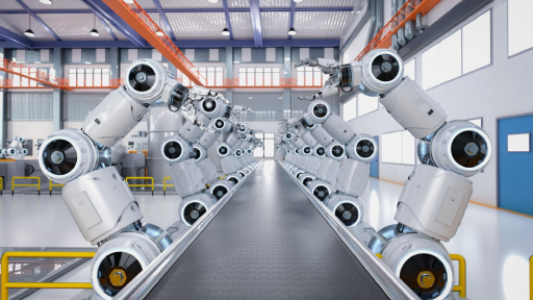
Product Demonstrations
Manufacturers can showcase:
- Features
- Benefits
- Functional capabilities
- Competitive advantages
without requiring physical prototypes.
Assembly Animations
Assembly animations demonstrate:
- Installation procedures
- Component placement
- Manufacturing sequences
- Maintenance instructions
Process Visualization
Manufacturing process animations explain:
- Production flow
- Material handling
- Robotics integration
- Automation systems
Safety Training
Safety animations teach:
- Hazard awareness
- Equipment operation
- Emergency response
- Compliance procedures
Trade Show Presentations
Manufacturing companies often use 3D animation at:
- Industry expos
- Conferences
- Product launches
- Investor meetings
Animations attract attention and improve audience engagement.
The Role of Digital Twins and Industry 4.0
As Industry 4.0 technologies continue to evolve, manufacturing animation is becoming increasingly connected with:
- Digital twins
- Artificial intelligence
- IoT systems
- Virtual manufacturing
- Predictive maintenance
Manufacturers can now create virtual representations of production environments to analyze performance, optimize operations, and train employees more effectively.
These digital environments provide valuable insights before implementing changes in the real world.
How Prolific Studio Creates Manufacturing Animations
At Prolific Studio, our production process is designed to ensure technical accuracy while delivering visually stunning results.
Discovery and Research
We begin by understanding:
- Manufacturing processes
- Technical specifications
- Business goals
- Target audience
Script Development
Our writers create clear narratives that explain complex concepts in an engaging manner.
Storyboarding
Every scene is planned to ensure logical information flow and visual clarity.
3D Modeling
Our artists create highly detailed 3D models of:
- Machinery
- Products
- Components
- Manufacturing facilities
Animation Production
We animate:
- Moving parts
- Mechanical systems
- Production workflows
- Human interactions
to create realistic demonstrations.
Visual Effects and Rendering
Advanced rendering techniques provide:
- Photorealistic visuals
- Accurate lighting
- Detailed textures
- Industrial realism
Final Delivery
The finished animation is optimized for:
- Websites
- Sales presentations
- Trade shows
- Social media
- Training platforms
Why Choose Prolific Studio for 3D Manufacturing Animation?
Manufacturing animation requires both creative expertise and technical understanding.
At Prolific Studio, we combine:
Industry Knowledge
We understand industrial workflows and engineering concepts.
High-End Visual Quality
Our animations deliver cinematic realism and professional presentation quality.
Customized Solutions
Every animation is tailored to your specific manufacturing goals.
Scalable Production
Whether you need a short product demonstration or a complete manufacturing visualization, we can scale production accordingly.
Global Experience
We work with clients across multiple industries, delivering solutions that help manufacturers communicate more effectively and grow their businesses.
Future Trends in Manufacturing Animation
The future of manufacturing animation is closely tied to technological advancements.
Emerging trends include:
- AI-assisted visualization
- Interactive 3D experiences
- Augmented Reality integration
- Virtual Reality training
- Real-time rendering
- Digital twin visualization
- Cloud-based collaboration
As manufacturing becomes increasingly digital, visual communication tools will continue to play a critical role in innovation and operational efficiency.
3D Engineering Animation: Transforming Complex Ideas into Powerful Visual Stories
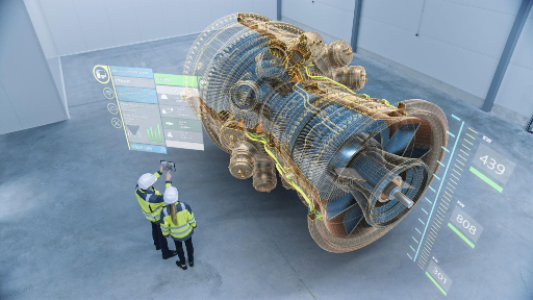
Engineering is the foundation of innovation. From advanced manufacturing systems and industrial machinery to renewable energy projects and aerospace technologies, engineering drives the modern world. However, one challenge remains constant across every engineering discipline: explaining complex technical concepts in a way that clients, investors, stakeholders, and end-users can easily understand.
This is where 3D Engineering Animation becomes a game-changer.
At Prolific Studio, we specialize in creating high-quality 3D engineering animations that transform technical designs, CAD models, manufacturing processes, and engineering systems into visually compelling experiences. Whether you need to showcase a product before production, train employees, or impress investors, 3D engineering animation helps bridge the gap between technical complexity and audience understanding.
What is 3D Engineering Animation?
3D engineering animation is the process of creating realistic animated visualizations of engineering products, systems, machinery, processes, and structures using advanced 3D technology. These animations are often built from CAD data, technical drawings, or engineering specifications to accurately represent how a product or system functions.
Unlike traditional engineering diagrams or static renderings, 3D engineering animations show movement, functionality, assembly processes, internal mechanisms, and operational workflows in a dynamic and engaging format.
They allow viewers to see:
- Internal components
- Product functionality
- Mechanical operations
- Manufacturing workflows
- Assembly procedures
- Safety processes
- Installation sequences
- Industrial systems
As industries become more technology-driven, engineering animation is rapidly becoming a critical communication tool.
Why Engineering Companies Need 3D Animation
Technical documents are essential for engineers, but they can be difficult for non-technical audiences to interpret.
Many stakeholders struggle to understand:
- CAD drawings
- Engineering blueprints
- Technical reports
- Product specifications
- Manufacturing processes
3D engineering animation solves this challenge by converting complex information into visual storytelling that is easy to understand. Engineering animations improve communication, simplify training, and help stakeholders visualize products before production begins.
Key Benefits Include:
- Improved communication
- Faster project approvals
- Better investor presentations
- Reduced training costs
- Enhanced product marketing
- More effective demonstrations
- Better customer understanding
How 3D Engineering Animation Works
At Prolific Studio, every engineering animation project follows a structured production pipeline designed to ensure technical accuracy and visual excellence.
1. Project Discovery
We begin by understanding:
- Product specifications
- Engineering objectives
- Target audience
- Technical requirements
- Project goals
This stage ensures that every animation serves a specific business purpose.
2. CAD and Data Integration
Most engineering projects begin with existing technical assets such as:
- CAD files
- SolidWorks models
- AutoCAD drawings
- BIM data
- STEP files
- Mechanical assemblies
These files provide the foundation for building accurate 3D animations.
Engineering-grade visualizations often rely on CAD-based data to represent precise dimensions and component behavior.
3. 3D Modeling
If CAD files are unavailable, our team creates highly detailed 3D models from:
- Technical drawings
- Reference images
- Product specifications
- Blueprints
The modeling process creates digital representations of every component involved in the system. 3D modeling forms the foundation of all engineering visualization projects.
4. Animation Development
This stage brings the engineering design to life.
We animate:
- Moving parts
- Mechanical systems
- Product interactions
- Internal processes
- Assembly sequences
- Operational workflows
Animation allows viewers to see both visible and hidden mechanisms that would be difficult to demonstrate using traditional media.
5. Rendering and Visualization
Advanced rendering techniques add:
- Realistic materials
- Accurate lighting
- Engineering-grade detail
- Photorealistic surfaces
- Dynamic environments
The final result looks realistic while maintaining technical accuracy.
Applications of 3D Engineering Animation
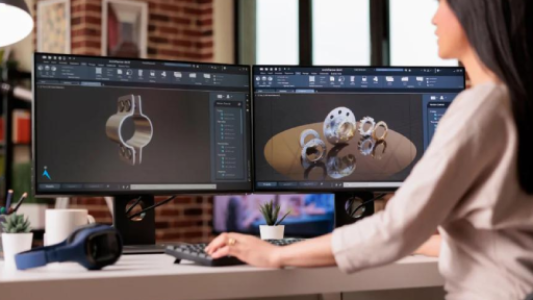
Engineering animation serves multiple industries and business objectives.
Manufacturing Industry
Manufacturing companies use 3D animation to showcase:
- Production lines
- Automation systems
- Robotics
- Industrial equipment
- Factory operations
Animations help explain how machinery works without interrupting production schedules.
Mechanical Engineering
Mechanical engineering projects often involve highly complex systems.
3D engineering animation can demonstrate:
- Gear systems
- Hydraulic mechanisms
- Pumps
- Engines
- Conveyor systems
- Mechanical assemblies
Instead of reading lengthy technical documentation, stakeholders can watch the system operate in real time.
Industrial Equipment Demonstrations
Heavy equipment manufacturers use animation to showcase:
- Equipment capabilities
- Operating procedures
- Maintenance processes
- Safety features
This approach is especially valuable when physical demonstrations are impractical.
Renewable Energy
Renewable energy projects often require stakeholder approval and public understanding.
Engineering animations can visualize:
- Wind turbines
- Solar farms
- Hydroelectric systems
- Energy storage technologies
These animations simplify complex energy systems for investors and decision-makers.
Aerospace Engineering
The aerospace industry relies heavily on precision and visualization.
3D engineering animations help explain:
- Aircraft systems
- Propulsion technology
- Component interactions
- Safety mechanisms
- Flight operations
Engineering-grade visualizations are frequently used to communicate technical aerospace concepts.
Architecture and Construction
Engineering animation plays a major role in construction and architectural planning.
Applications include:
- Building walkthroughs
- Structural visualization
- Infrastructure projects
- Construction sequencing
- BIM presentations
Architectural animations help stakeholders understand scale, design, and functionality before construction begins.
The Role of 3D Engineering Animation in Product Development
One of the biggest advantages of engineering animation is its ability to support product development.
Before manufacturing begins, companies can use animation to:
- Validate concepts
- Identify design flaws
- Demonstrate functionality
- Secure approvals
- Attract investors
Digital prototyping and visualization reduce the need for multiple physical prototypes while improving efficiency.
Engineering Animation for Training and Education
Traditional training materials often include:
- Manuals
- Technical guides
- Static diagrams
Unfortunately, these materials can be difficult to understand.
3D engineering animations improve training by showing:
- Assembly procedures
- Equipment operation
- Maintenance workflows
- Safety protocols
Animated training modules provide a more engaging and memorable learning experience.
Organizations frequently use engineering animations to improve workforce training and reduce operational errors.
Engineering Animation for Sales and Marketing
Engineering products are often difficult to market because their value lies in technical functionality.
3D animation helps businesses:
- Showcase innovation
- Highlight unique features
- Demonstrate performance
- Visualize internal mechanisms
- Create engaging presentations
Sales teams can use animations during:
- Trade shows
- Investor meetings
- Product launches
- Client presentations
- Digital marketing campaigns
This creates a stronger emotional connection while improving product understanding.
Why 3D Engineering Animation is Better Than Traditional Demonstrations
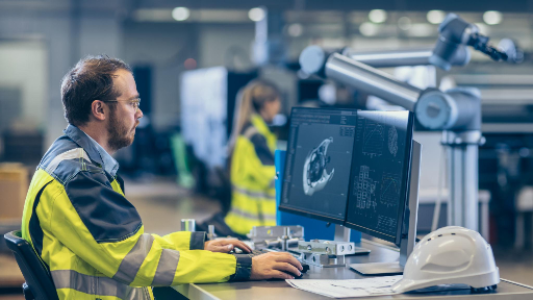
Physical demonstrations can be expensive and time-consuming.
Challenges include:
- Transportation costs
- Equipment availability
- Safety concerns
- Location restrictions
Engineering animation eliminates these barriers.
Benefits include:
Cost Savings
No need to transport equipment or build expensive prototypes.
Global Accessibility
Animations can be shared worldwide through digital platforms.
Enhanced Visualization
Viewers can see internal mechanisms and hidden processes that are impossible to observe in real-world demonstrations.
Faster Decision Making
Stakeholders understand concepts more quickly, leading to faster approvals.
Emerging Trends in 3D Engineering Animation
The engineering visualization industry continues to evolve.
Several innovations are shaping the future:
Real-Time Rendering
Modern rendering engines provide faster production and interactive experiences.
Digital Twins
Companies increasingly use digital twins to create virtual representations of physical systems. Engineering visualization supports this growing trend.
AR and VR Integration
Engineering animations are being integrated into:
- Virtual reality environments
- Augmented reality applications
- Interactive simulations
These technologies improve training and design validation.
AI-Assisted Visualization
Artificial intelligence is streamlining workflows while improving production efficiency in technical visualization projects.
Why Choose Prolific Studio for 3D Engineering Animation?
At Prolific Studio, we combine technical expertise with world-class animation capabilities to create engineering animations that are both accurate and visually stunning.
What Sets Us Apart?
Engineering-Focused Approach
We understand technical products, industrial systems, and engineering workflows.
CAD Compatibility
Our team works seamlessly with engineering data and CAD files.
Photorealistic Visualization
We create highly detailed animations that showcase every aspect of your design.
Custom Solutions
Every project is tailored to your industry, audience, and business goals.
End-to-End Production
From concept development to final rendering, we manage the entire production process.
3D Technical Animation: Transforming Complex Ideas into Visual Experiences
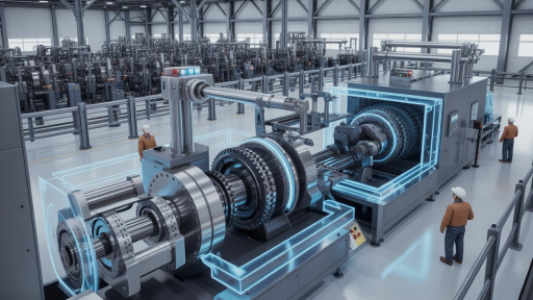
In today’s highly technical world, businesses often face a major challenge: explaining complex products, machinery, engineering processes, and industrial systems to customers, investors, employees, and stakeholders. Technical drawings, manuals, and lengthy presentations can overwhelm audiences and fail to communicate the true value of an innovation.
This is where 3D technical animation becomes a game-changer.
At Prolific Studio, we help businesses transform complicated technical concepts into engaging visual stories that are easy to understand and impossible to ignore. Whether you’re launching a new product, showcasing industrial equipment, explaining engineering processes, or training employees, 3D technical animation delivers clarity, accuracy, and impact.
What Is 3D Technical Animation?
3D technical animation is the process of creating detailed animated visualizations that explain how products, machines, systems, or processes work. Unlike traditional animations that focus primarily on entertainment, technical animations are designed to communicate information with precision and accuracy.
These animations can demonstrate:
- Mechanical operations
- Manufacturing processes
- Product assembly
- Industrial workflows
- Engineering concepts
- Medical devices
- Scientific processes
- Equipment maintenance procedures
- Architectural systems
- Safety protocols
Technical animations allow viewers to see internal components, moving parts, and invisible processes that would otherwise be difficult to explain through photographs or diagrams. Studies and industry experts consistently highlight that 3D visualization improves understanding, communication, and decision-making while reducing the need for costly physical demonstrations.
Why Businesses Need 3D Technical Animation
Modern industries are becoming increasingly complex. Products contain advanced technology, manufacturing systems involve multiple stages, and engineering projects often require communication between technical and non-technical audiences.
Traditional communication methods often struggle to bridge this gap.
3D technical animation solves this problem by transforming complex information into visual experiences that audiences can instantly understand.
Benefits include:
- Faster communication
- Better audience engagement
- Improved knowledge retention
- Reduced training costs
- Stronger marketing presentations
- Enhanced stakeholder confidence
- Simplified technical documentation
Organizations across manufacturing, engineering, aerospace, healthcare, energy, and technology sectors use technical visualization to improve communication and reduce misunderstandings.
How 3D Technical Animation Works
1. Information Gathering
The process begins with collecting:
- CAD files
- Engineering drawings
- Technical specifications
- Product blueprints
- Manufacturing workflows
- Subject matter expertise
The goal is to ensure accuracy before animation production begins.
2. 3D Modeling
Artists create highly detailed 3D models based on engineering data.
These models replicate:
- Dimensions
- Materials
- Components
- Mechanical systems
- Internal structures
Modern technical animation frequently integrates engineering-grade data to ensure accuracy throughout production.
3. Animation Development
The next phase brings the models to life.
Animations demonstrate:
- Component movement
- Product functionality
- System interactions
- Assembly sequences
- Maintenance procedures
Every movement is carefully designed to communicate information clearly.
4. Rendering and Visual Effects
Lighting, materials, textures, and realistic rendering create a professional and visually engaging final product.
5. Final Delivery
The animation is optimized for:
- Websites
- Trade shows
- Sales presentations
- Investor pitches
- Social media
- Training platforms
- Internal communication systems
Industries That Benefit from 3D Technical Animation
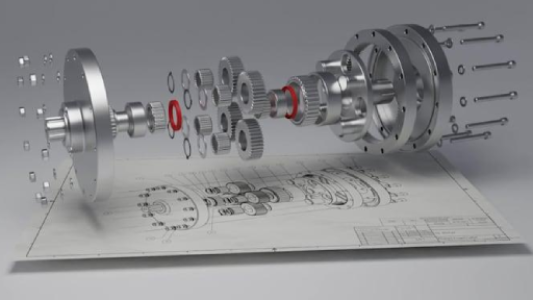
Manufacturing
Manufacturing companies often struggle to explain complex machinery and production systems.
Technical animations can showcase:
- Equipment operation
- Manufacturing workflows
- Production line efficiency
- Assembly processes
- Maintenance procedures
Instead of transporting heavy equipment to exhibitions, companies can use animations to demonstrate products in action.
Engineering
Engineering firms use technical animation to communicate design concepts to clients, investors, and project stakeholders.
Applications include:
- Structural systems
- Mechanical engineering
- Industrial processes
- Infrastructure projects
- Prototype demonstrations
Animations help reduce misunderstandings and improve project approvals by making technical information easier to understand.
Aerospace
Aerospace systems often involve thousands of components and highly technical processes.
3D technical animation helps explain:
- Aircraft systems
- Propulsion technologies
- Safety mechanisms
- Maintenance procedures
- Manufacturing processes
Healthcare and Medical Devices
Medical device manufacturers use technical animations to illustrate:
- Device functionality
- Surgical procedures
- Treatment methods
- Product benefits
These animations help healthcare professionals better understand innovative technologies.
Energy Sector
Energy companies frequently use technical visualization to explain:
- Power generation systems
- Renewable energy technologies
- Oil and gas operations
- Industrial facilities
- Safety procedures
Animations simplify highly technical concepts for both experts and non-technical stakeholders.
Technical Animation for Product Marketing
Many businesses assume technical animation is only for engineers.
In reality, it is one of the most powerful marketing tools available.
Customers want to understand:
- How a product works
- Why it is different
- What problem it solves
- How it improves efficiency
Technical animations answer these questions visually.
Instead of reading lengthy product descriptions, customers can instantly see a product’s functionality and value.
This approach increases engagement and helps businesses generate more qualified leads. Industry reports show that 3D visual content improves customer understanding and engagement while strengthening sales and stakeholder communication.
Training and Education Applications
Training employees using traditional manuals can be time-consuming and ineffective.
Technical animations provide a better alternative.
Benefits include:
- Improved retention
- Faster onboarding
- Consistent training experiences
- Enhanced safety awareness
- Reduced training costs
Employees can observe complex procedures in a realistic virtual environment without risking equipment damage or workplace injuries.
Industries such as manufacturing, mining, and energy increasingly rely on technical animations for safety and operational training.
Investor Presentations and Stakeholder Communication
Securing investment often requires explaining sophisticated products and technologies to audiences without technical expertise.
Technical animation helps investors understand:
- Product innovation
- Market potential
- Competitive advantages
- Operational workflows
- Future scalability
Rather than relying on complex charts and technical documentation, businesses can present compelling visual demonstrations.
This often leads to better engagement and stronger investor confidence.
Technical Animation vs Traditional Technical Documentation
Traditional Documentation
Challenges include:
- Complex terminology
- Information overload
- Limited engagement
- Difficulty visualizing concepts
Technical Animation
Advantages include:
- Visual clarity
- Better comprehension
- Increased engagement
- Faster communication
- Higher retention
Research and industry practice consistently show that visual communication improves understanding of complex systems compared to static documentation alone.
Common Types of 3D Technical Animation
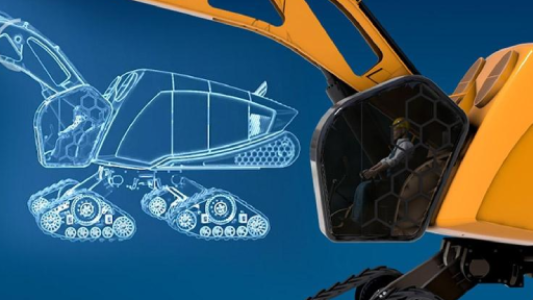
Product Demonstration Animation
Shows how a product works and highlights key features.
Assembly Animation
Illustrates how components fit together.
Exploded View Animation
Separates individual parts to reveal internal structures.
Process Animation
Explains workflows and industrial processes.
Maintenance Animation
Demonstrates repair and maintenance procedures.
Safety Training Animation
Teaches proper operational procedures and hazard awareness.
Simulation Animation
Visualizes scientific, engineering, or industrial systems under real-world conditions.
Why 3D Technical Animation Is More Effective Than Live Video
While live-action videos have value, they often face limitations.
Technical animation offers:
Internal Visibility
Viewers can see inside machinery and systems.
Unlimited Camera Angles
Animations can reveal perspectives impossible with traditional filming.
Cost Savings
No need for expensive prototypes or physical demonstrations.
Better Accuracy
Engineers can communicate exact specifications visually.
Global Communication
Animations transcend language barriers and simplify technical concepts for international audiences.
Many organizations also use technical visualization to reduce prototype costs and accelerate product development cycles.
Emerging Trends in Technical Animation
Real-Time Rendering
Advanced rendering engines allow faster production and more interactive experiences.
Digital Twins
Technical animations increasingly integrate with digital twin technologies to simulate real-world performance.
Augmented Reality
AR experiences allow users to interact with technical models in real environments.
Virtual Reality Training
Organizations are using immersive simulations to train employees more effectively.
Interactive Technical Experiences
Users can explore products and systems independently through interactive 3D environments.
These innovations continue to expand the role of technical visualization across industries.
Why Choose Prolific Studio for 3D Technical Animation?
At Prolific Studio, we combine technical precision with world-class storytelling.
Our team creates high-quality technical animations that help businesses:
- Explain complex products
- Improve customer understanding
- Increase sales conversions
- Enhance employee training
- Impress investors
- Strengthen brand authority
We work closely with engineers, manufacturers, product teams, and marketing professionals to ensure every animation is both visually compelling and technically accurate.
Whether you need a product demonstration, engineering visualization, industrial process animation, or technical training video, Prolific Studio delivers custom solutions tailored to your goals.
3D Motion Graphics: The Future of Visual Storytelling for Modern Brands
In a digital world where audiences scroll through endless content every day, capturing attention has become one of the biggest challenges for businesses. Static images and traditional graphics often struggle to communicate complex ideas, showcase products, or leave a lasting impression. This is where 3D motion graphics have emerged as one of the most powerful tools in modern marketing.
At Prolific Studio, we help brands transform ideas into visually stunning experiences through innovative 3D motion graphics that engage audiences, simplify complex messages, and drive measurable results.
Whether you’re launching a product, promoting a service, explaining a process, or building brand awareness, 3D motion graphics can elevate your marketing strategy to a completely new level.
What Are 3D Motion Graphics?
3D motion graphics combine the visual appeal of three-dimensional design with the storytelling power of animation. Unlike traditional 2D motion graphics, 3D motion graphics add depth, realism, lighting, textures, and dynamic camera movements that create a more immersive viewing experience.
These animations can include:
- Product visualizations
- Animated typography
- Corporate presentations
- Explainer videos
- Architectural visualizations
- Technology demonstrations
- Medical animations
- Advertising campaigns
- Social media content
The goal is not merely to create attractive visuals but to communicate ideas more effectively while keeping audiences engaged.
Why 3D Motion Graphics Matter in Modern Marketing
Consumer attention spans continue to shrink while competition for visibility grows. Businesses need content that stands out instantly.
3D motion graphics help brands:
- Capture attention quickly
- Increase engagement rates
- Simplify complex concepts
- Improve message retention
- Enhance brand perception
- Generate stronger emotional connections
Research consistently shows that animated visual content is easier to understand and remember than static information. Motion graphics combine visual storytelling, movement, and design to create memorable experiences.
The Evolution of Motion Graphics
Motion graphics have evolved dramatically over the past decade.
Traditional motion graphics focused on:
- Animated text
- 2D illustrations
- Simple transitions
- Graphic overlays
Today, advancements in rendering technology, real-time engines, and animation software have enabled creators to build highly realistic 3D environments, products, and visual effects. The combination of motion graphics and 3D animation now delivers both clarity and immersion.
This evolution has transformed marketing, entertainment, education, healthcare, and countless other industries.
Key Benefits of 3D Motion Graphics
1. Enhanced Visual Impact
Humans are naturally drawn to movement and depth.
3D motion graphics create visual experiences that feel dynamic and realistic. Advanced lighting, shadows, reflections, and camera angles make animations more engaging than flat graphics.
The result is content that captures attention immediately.
2. Better Storytelling
Every successful brand has a story.
3D motion graphics allow businesses to tell those stories through:
- Visual metaphors
- Product journeys
- Customer experiences
- Brand narratives
Rather than explaining concepts through lengthy text, businesses can communicate their message visually and emotionally.
3. Simplified Complex Information
Many industries struggle to explain technical concepts.
Examples include:
- Software companies
- Healthcare organizations
- Manufacturing businesses
- Financial institutions
- Engineering firms
3D motion graphics make it easier to visualize complex processes through engaging animations and graphical representations. Motion graphics often provide structure while 3D elements add realism and depth.
4. Increased Audience Retention
People remember visual information better than text alone.
When movement, visuals, sound, and storytelling work together, audiences retain information more effectively.
This is especially valuable for:
- Product demonstrations
- Educational content
- Training materials
- Corporate presentations
5. Stronger Brand Identity
Modern audiences associate high-quality visuals with professional brands.
Custom 3D motion graphics help businesses establish:
- Consistent branding
- Premium positioning
- Creative leadership
- Professional credibility
Every animation can be tailored to reflect your unique visual identity.
Industries That Benefit from 3D Motion Graphics
Technology
Technology companies often use 3D motion graphics to explain:
- Software platforms
- Mobile applications
- AI solutions
- Cloud services
- SaaS products
Complex technical systems become easier to understand through animated visualizations.
Healthcare and Medical
Medical organizations rely on 3D motion graphics to illustrate:
- Surgical procedures
- Medical devices
- Treatment processes
- Pharmaceutical mechanisms
- Patient education materials
Animations help simplify scientific concepts while improving audience understanding.
Manufacturing
Manufacturers use 3D motion graphics for:
- Product demonstrations
- Assembly processes
- Industrial workflows
- Equipment visualization
Instead of expensive physical prototypes, businesses can showcase products digitally.
Architecture and Real Estate
Architectural firms use 3D motion graphics to create:
- Virtual walkthroughs
- Building visualizations
- Urban planning presentations
- Interior design showcases
Potential clients can experience projects before construction begins.
Automotive
Automotive companies utilize 3D motion graphics to highlight:
- Vehicle features
- Engineering innovations
- Product launches
- Advertising campaigns
Detailed visualizations help showcase performance and design advantages.
E-commerce
Online retailers increasingly use 3D motion graphics for:
- Product showcases
- Interactive experiences
- Promotional campaigns
- Social media advertising
Detailed 360-degree product views help improve customer confidence.
Types of 3D Motion Graphics
Product Animation
Product animations allow businesses to demonstrate:
- Features
- Functionality
- Internal mechanisms
- Benefits
These animations are particularly effective for technology, medical devices, and consumer products.
Explainer Videos
Explainer videos use 3D motion graphics to communicate:
- Services
- Business models
- Processes
- Solutions
They help businesses educate audiences quickly and effectively.
Corporate Presentations
3D motion graphics elevate corporate communications by adding:
- Dynamic charts
- Animated statistics
- Branded visuals
- Professional storytelling
This improves engagement during meetings, conferences, and investor presentations.
Broadcast Graphics
Television networks and media companies frequently use:
- Title sequences
- News graphics
- Sports visuals
- Event branding
3D motion graphics create polished, professional broadcasts.
Social Media Content
Short-form animated content performs exceptionally well across platforms such as:
- TikTok
- YouTube
Motion-based visuals attract more engagement than static posts.
The 3D Motion Graphics Production Process
]
At Prolific Studio, every project follows a structured production workflow.
Discovery and Strategy
The process begins by understanding:
- Business goals
- Target audience
- Marketing objectives
- Key messaging
This foundation ensures the animation serves a clear purpose.
Script Development
Every successful animation starts with a compelling script.
The script defines:
- Story structure
- Key messages
- Visual direction
- Call-to-action
Storyboarding
Storyboards act as visual blueprints.
They map out:
- Scene transitions
- Camera movements
- Animation flow
- Visual hierarchy
3D Modeling
Artists create detailed digital assets including:
- Products
- Characters
- Environments
- Visual elements
These assets form the foundation of the animation.
Texturing and Lighting
Materials, colors, and lighting are added to create realism.
This stage significantly influences the final visual quality.
Animation
Objects are brought to life through movement.
Animators focus on:
- Timing
- Motion dynamics
- Visual flow
- Audience engagement
Rendering
Rendering converts digital scenes into final visual output.
Advanced rendering techniques create:
- Realistic shadows
- Reflections
- Depth
- Cinematic quality
Post-Production
Final touches include:
- Editing
- Sound design
- Music
- Visual effects
- Color grading
The completed animation is optimized for its intended platform.
Emerging Trends in 3D Motion Graphics
The industry continues to evolve rapidly.
Several trends are shaping the future:
AI-Assisted Production
Artificial intelligence is helping artists accelerate workflows while maintaining creative control. AI-powered tools are increasingly being integrated into 3D production pipelines.
Real-Time Rendering
Game engines like Unreal Engine enable faster production and more interactive experiences.
This allows brands to create immersive content with shorter turnaround times.
Hybrid 2D and 3D Design
Many designers now blend 2D motion graphics with 3D elements to create unique visual styles that combine clarity with depth.
Interactive Experiences
Brands are increasingly exploring:
- Virtual reality
- Augmented reality
- Interactive product demonstrations
3D motion graphics play a central role in these experiences.
3D Typography
Animated 3D text has become a major design trend, helping brands create more memorable and visually engaging messaging.
Why Choose Prolific Studio for 3D Motion Graphics?
At Prolific Studio, we combine creativity, technology, and strategic thinking to produce world-class 3D motion graphics.
Our team specializes in:
- 3D animation services
- Product animation
- Corporate videos
- Medical animations
- Marketing content
- Explainer videos
- Brand storytelling
We focus on creating animations that do more than look impressive—they deliver measurable business results.
Whether you’re a startup launching a new product or an established enterprise seeking innovative marketing solutions, our custom 3D motion graphics help you connect with audiences, communicate clearly, and stand out from competitors.
3D Explainer Video: The Complete Guide for Modern Businesses
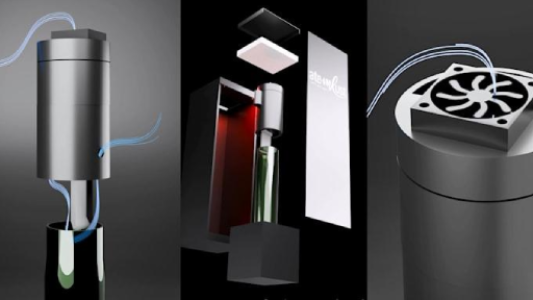
In today’s digital-first world, businesses have only a few seconds to capture attention and communicate their value. Whether you’re launching a new product, promoting a SaaS platform, explaining a medical procedure, or introducing an innovative technology, conveying complex information quickly is one of the biggest marketing challenges.
This is where 3D explainer videos have become a game-changing solution.
At Prolific Studio, we help brands transform complicated concepts into engaging visual stories through premium 3D animation. A professionally produced 3D explainer video can educate, entertain, and convert viewers while strengthening brand recognition and customer trust.
In this comprehensive guide, we’ll explore everything you need to know about 3D explainer videos, their benefits, applications, production process, and why they have become one of the most effective marketing tools available today.
What Is a 3D Explainer Video?
A 3D explainer video is a short animated video that uses three-dimensional visuals, motion graphics, storytelling, and narration to explain a product, service, process, or concept.
Unlike traditional videos, 3D animation allows businesses to visualize:
- Internal product mechanisms
- Scientific processes
- Medical procedures
- Technical workflows
- Manufacturing systems
- Software functionality
- Future concepts and prototypes
The ability to create virtually anything imaginable makes 3D animation one of the most versatile communication tools available.
Instead of telling audiences how something works, 3D explainer videos show them through engaging visual storytelling. This helps viewers understand complex information faster and retain it longer.
Why Businesses Are Investing in 3D Explainer Videos
Modern consumers are overwhelmed with content. Text-heavy explanations and static images often fail to capture attention.
Businesses are increasingly investing in 3D explainer videos because they:
- Simplify complex concepts
- Increase audience engagement
- Improve brand recall
- Boost conversion rates
- Enhance customer education
- Support sales teams
- Create memorable experiences
Research consistently shows that explainer videos help improve engagement and communicate information more effectively than traditional text-based content.
Benefits of 3D Explainer Videos
1. Simplify Complex Information
One of the greatest strengths of 3D animation is its ability to simplify difficult concepts.
Many industries deal with products or services that are difficult to explain through text alone, such as:
- Healthcare
- Biotechnology
- Manufacturing
- SaaS
- Engineering
- Finance
- Telecommunications
A 3D explainer video breaks down these concepts into easy-to-understand visuals, helping audiences grasp key information quickly.
2. Increase Viewer Engagement
Humans are naturally drawn to motion and visual storytelling.
Compared to static content, animated videos:
- Hold attention longer
- Increase watch time
- Improve information retention
- Generate higher engagement rates
The combination of animation, sound, motion, and storytelling creates a compelling experience that keeps viewers interested from beginning to end.
3. Improve Brand Awareness
A custom 3D explainer video can be designed to reflect your:
- Brand colors
- Logo
- Visual style
- Messaging
- Personality
This creates a consistent brand experience that helps viewers remember your business long after they’ve watched the video.
4. Increase Conversions
Businesses use explainer videos because they drive results.
When potential customers clearly understand a product or service, they are more likely to take action.
3D explainer videos help:
- Reduce confusion
- Address objections
- Highlight benefits
- Build trust
- Accelerate decision-making
This often leads to improved lead generation and higher conversion rates.
5. Visualize the Invisible
Many products contain internal processes that cannot be seen with the naked eye.
Examples include:
- Medical treatments
- Pharmaceutical products
- Mechanical systems
- Electronics
- Manufacturing workflows
3D animation allows businesses to reveal these hidden elements using:
- Cutaway views
- Transparent models
- Exploded views
- Dynamic simulations
This creates a deeper understanding of how products work.
6. Support Global Communication
Visual communication transcends language barriers.
A well-designed 3D explainer video can communicate core ideas effectively across international markets with minimal localization.
This makes 3D animation particularly valuable for companies expanding globally.
Industries That Benefit from 3D Explainer Videos
Healthcare and Medical
Healthcare organizations use 3D explainer videos to explain:
- Surgical procedures
- Treatment options
- Medical devices
- Patient education
- Drug mechanisms
Medical animation improves understanding while making complex information more accessible.
Technology and SaaS
Software companies often struggle to explain technical products.
3D explainer videos help visualize:
- User workflows
- Platform functionality
- System architecture
- AI solutions
- Cloud services
This makes technical products easier to understand and market.
Manufacturing
Manufacturers use 3D animation to demonstrate:
- Production processes
- Equipment functionality
- Safety procedures
- Product assembly
- Industrial systems
Complex machinery can be showcased without expensive filming.
Real Estate
Real estate developers utilize 3D explainer videos for:
- Property walkthroughs
- Architectural visualization
- Community presentations
- Construction planning
These videos help buyers visualize future developments before construction begins.
Finance
Financial institutions use animation to explain:
- Investment products
- Banking services
- Insurance plans
- Financial processes
Visual storytelling helps simplify complicated financial concepts.
Types of 3D Explainer Videos
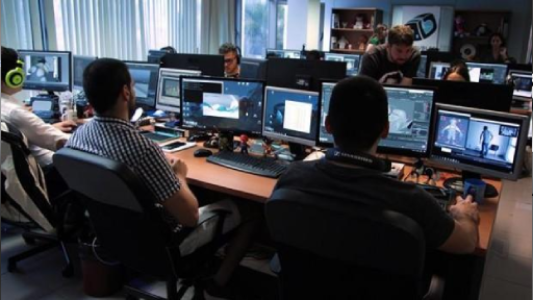
Product Explainer Videos
Designed to showcase products, features, and benefits.
Perfect for:
- Product launches
- E-commerce
- Trade shows
- Sales presentations
Corporate Explainer Videos
Used to communicate:
- Company values
- Business solutions
- Corporate services
- Internal processes
Ideal for B2B marketing.
Educational Explainer Videos
Focus on teaching concepts through visual storytelling.
Commonly used by:
- Schools
- Universities
- Training organizations
- Online learning platforms
Medical Explainer Videos
Used for healthcare communication and scientific education.
Applications include:
- Medical marketing
- Clinical trials
- Patient education
- Research presentations
Technical Explainer Videos
Help engineers and manufacturers explain:
- Processes
- Systems
- Workflows
- Product functionality
The 3D Explainer Video Production Process
At Prolific Studio, every successful project follows a proven workflow.
Discovery and Strategy
The first step involves understanding:
- Business goals
- Target audience
- Key messages
- Marketing objectives
A strong strategy ensures the video delivers measurable results.
Scriptwriting
The script forms the foundation of the entire project.
A great script should:
- Identify audience pain points
- Present solutions
- Highlight benefits
- Include a strong call-to-action
Storyboarding
The storyboard visualizes each scene before animation begins.
This helps clients:
- Review concepts
- Approve visuals
- Align expectations
3D Modeling
Artists create detailed 3D models of:
- Products
- Characters
- Environments
- Equipment
These assets become the building blocks of the animation.
Animation
This stage brings everything to life through:
- Motion
- Camera movements
- Simulations
- Visual effects
Animation transforms static assets into engaging stories.
Voiceover and Sound Design
Professional narration enhances clarity while sound effects and music create emotional impact.
A strong audio experience dramatically improves viewer engagement.
Rendering and Final Delivery
The final animation is rendered in high resolution and optimized for:
- Websites
- Social media
- Presentations
- Advertising campaigns
- Trade shows
How 3D Explainer Videos Improve Marketing Results
Better Website Performance
Visitors spend more time on pages containing engaging video content.
This can improve:
- User engagement
- Session duration
- Conversion rates
Video content also supports broader SEO and digital marketing efforts.
Stronger Social Media Campaigns
3D explainer videos perform exceptionally well on platforms like:
- YouTube
- TikTok
Animated content is highly shareable and often generates higher engagement than static posts.
More Effective Sales Presentations
Sales teams frequently use 3D explainer videos to:
- Introduce products
- Explain features
- Demonstrate value
A video can deliver a consistent message every time, helping prospects understand products faster.
Improved Customer Education
Explainer videos reduce support requests by helping customers understand:
- Products
- Services
- Setup procedures
- Troubleshooting steps
This improves customer satisfaction while reducing support costs.
Why Choose Prolific Studio for 3D Explainer Videos?
At Prolific Studio, we combine creativity, storytelling, and advanced 3D animation techniques to create videos that drive measurable business results.
Our team specializes in:
- 3D Product Animation
- Medical Animation
- Corporate Animation
- Technology Explainer Videos
- Architectural Visualization
- Scientific Animation
- Marketing Videos
- Training Animations
Every project is tailored to your brand, audience, and business goals.
We focus on creating animations that not only look impressive but also communicate effectively and generate real ROI.
3D Marketing Animation: The Ultimate Guide
In today’s digital-first world, brands are competing for attention more than ever before. Consumers scroll through hundreds of advertisements, social media posts, and marketing messages every day. Traditional marketing methods often struggle to capture interest, which is why businesses are increasingly turning to 3D marketing animation to stand out, tell compelling stories, and drive measurable results.
At Prolific Studio, we help brands transform ideas into visually stunning animated experiences that capture attention and inspire action. As a leading 3D animation studio, we create high-quality animations for marketing campaigns, product launches, social media content, corporate presentations, and brand storytelling initiatives.
This guide explores everything businesses need to know about 3D marketing animation, its benefits, applications, and why it has become one of the most powerful tools in modern digital marketing.
What Is 3D Marketing Animation?
3D marketing animation is the process of using three-dimensional visuals, motion graphics, and animated storytelling to promote products, services, or brands. Unlike traditional videos or static graphics, 3D animation creates immersive visual experiences that showcase products and ideas from every angle.
These animations can be used across:
- Digital advertising campaigns
- Product launches
- Social media marketing
- Corporate presentations
- Trade shows and exhibitions
- Website landing pages
- Email marketing campaigns
- Brand awareness initiatives
By combining creativity, realism, and storytelling, 3D marketing animation helps businesses communicate complex ideas in a way that is engaging and easy to understand.
Why Businesses Are Investing in 3D Marketing Animation
The modern customer expects visually rich experiences. Static images and text-heavy content often fail to generate meaningful engagement.
3D animation offers several advantages:
1. Higher Audience Engagement
Motion naturally attracts attention. Animated content keeps viewers engaged longer than static visuals, increasing the likelihood that they will absorb your message.
When audiences see products moving, rotating, and demonstrating functionality in realistic environments, they develop a deeper understanding of the offering.
2. Better Product Visualization
Many products have features that are difficult to explain through photographs alone.
3D animation allows businesses to:
- Showcase product functionality
- Demonstrate internal mechanisms
- Highlight key features
- Present products before manufacturing
This is particularly valuable for technology, healthcare, manufacturing, and consumer product companies.
3. Stronger Brand Recall
People remember visual stories far more effectively than plain text.
A well-crafted 3D marketing animation helps brands:
- Create emotional connections
- Build recognition
- Improve customer retention
- Increase marketing effectiveness
4. Increased Conversion Rates
High-quality animated marketing content can significantly improve conversion performance.
Businesses often use 3D animation to:
- Increase product page engagement
- Improve click-through rates
- Boost sales presentations
- Support lead generation efforts
When customers clearly understand a product’s value, they are more likely to make purchasing decisions.
The Evolution of Marketing Through Animation
Marketing has evolved dramatically over the last decade.
Traditional approaches included:
- Print advertisements
- Television commercials
- Radio promotions
- Static online banners
Today, consumers spend most of their time online, creating demand for dynamic content that captures attention instantly.
Modern marketing relies on:
- Video content
- Interactive experiences
- Social media storytelling
- Visual demonstrations
3D marketing animation sits at the center of this transformation because it combines all these elements into a single powerful medium.
How 3D Marketing Animation Helps Brands Tell Better Stories
Every successful marketing campaign is built around a compelling story.
Storytelling helps customers understand:
- Who you are
- What you offer
- Why it matters
- How it solves their problems
3D animation enhances storytelling by creating visual narratives that are both entertaining and informative.
Instead of simply describing a product, brands can show:
- The problem
- The solution
- The customer journey
- The final outcome
This storytelling approach creates stronger emotional engagement and higher marketing effectiveness.
Key Applications of 3D Marketing Animation
Product Marketing
One of the most common uses of 3D animation is product marketing.
Businesses use animations to:
- Showcase product features
- Highlight unique selling points
- Demonstrate functionality
- Create launch campaigns
At Prolific Studio, our product animation services help businesses present products with photorealistic quality and exceptional detail.
Social Media Marketing
Social media platforms prioritize engaging visual content.
3D animated videos perform exceptionally well because they:
- Stop users from scrolling
- Increase watch time
- Generate shares
- Improve engagement metrics
Platforms that benefit from 3D animation include:
- TikTok
- YouTube
Short-form 3D animations are particularly effective for capturing audience attention within seconds.
Brand Awareness Campaigns
Building brand recognition requires consistent and memorable messaging.
3D animation helps businesses:
- Develop a unique visual identity
- Create memorable campaigns
- Differentiate from competitors
- Strengthen brand perception
By combining visual storytelling with strategic messaging, brands can leave lasting impressions on their target audiences.
Corporate Marketing
Corporate organizations use 3D animation for:
- Company presentations
- Investor pitches
- Internal communications
- Recruitment campaigns
- Event promotions
Professional animations communicate information clearly while maintaining audience interest.
Trade Show Marketing
Trade shows are highly competitive environments where businesses must attract visitors quickly.
3D animated presentations help:
- Draw attention to booths
- Demonstrate products effectively
- Simplify technical concepts
- Increase lead generation opportunities
The immersive nature of animation makes it ideal for live event environments.
Industries Benefiting from 3D Marketing Animation
Healthcare
Healthcare organizations use 3D animation to explain:
- Medical procedures
- Treatment processes
- Medical devices
- Pharmaceutical products
Complex healthcare concepts become easier to understand through detailed visual demonstrations.
Technology
Technology companies frequently rely on 3D animation to showcase:
- Software platforms
- Hardware products
- Emerging technologies
- Product ecosystems
Animation makes abstract technological concepts more accessible to audiences.
E-Commerce
Online retailers use 3D marketing animation to:
- Showcase products
- Reduce customer uncertainty
- Increase buyer confidence
- Improve conversion rates
Customers can see products in action before making purchasing decisions.
Manufacturing
Manufacturing companies often need to explain machinery and industrial systems.
3D animation allows businesses to visualize:
- Equipment operations
- Production workflows
- Safety procedures
- Technical specifications
This helps improve understanding among customers, stakeholders, and employees.
Real Estate
Real estate developers use animation for:
- Architectural walkthroughs
- Property visualization
- Community showcases
- Investment presentations
Potential buyers can experience spaces before construction is completed.
Essential Elements of Successful 3D Marketing Animation
Strong Concept Development
Every successful animation begins with a clear strategy.
The concept should answer:
- Who is the target audience?
- What message should be communicated?
- What action should viewers take?
Without strategic planning, even visually impressive animations may fail to achieve marketing goals.
Compelling Storytelling
Storytelling remains the foundation of effective marketing.
A successful animation should:
- Capture attention immediately
- Maintain viewer interest
- Deliver a clear message
- Inspire action
High-Quality Visual Design
Professional-quality visuals are essential for brand credibility.
Effective animations feature:
- Realistic lighting
- Detailed textures
- Smooth motion
- Consistent branding
Poor-quality visuals can negatively impact brand perception.
Clear Call to Action
Every marketing animation should guide viewers toward a desired outcome.
Examples include:
- Request a demo
- Contact the company
- Make a purchase
- Download a resource
- Visit a website
A clear call to action helps maximize campaign effectiveness.
Why 3D Animation Outperforms Traditional Marketing Content
Traditional content formats often have limitations.
Static images cannot:
- Demonstrate movement
- Explain complex systems
- Showcase product functionality effectively
3D animation solves these challenges by creating dynamic visual experiences.
Benefits include:
- Enhanced realism
- Greater flexibility
- Better storytelling opportunities
- Improved audience engagement
- Stronger emotional impact
These advantages make animation one of the most versatile marketing tools available today.
The Future of 3D Marketing Animation
The future of marketing is becoming increasingly visual and immersive.
Emerging trends include:
AI-Powered Animation
Artificial intelligence is streamlining production workflows and enabling faster content creation.
Interactive Experiences
Brands are combining animation with interactive technologies to create personalized experiences.
Virtual Reality Integration
3D marketing content is becoming increasingly integrated with VR environments.
Augmented Reality Campaigns
AR experiences allow customers to interact with products before purchasing.
Real-Time Rendering
Advancements in rendering technology enable faster production and greater visual realism.
Businesses that adopt these innovations early gain competitive advantages in crowded markets.
Why Choose Prolific Studio for 3D Marketing Animation?
At Prolific Studio, we specialize in creating high-impact 3D marketing animations that help brands communicate, engage, and grow. Our team combines creativity, technical expertise, and strategic thinking to produce animations that deliver measurable results. We offer services ranging from product animation and medical visualization to corporate storytelling and brand campaigns.
Businesses choose Prolific Studio because of our:
- Expert 3D animation team
- High-quality visual production
- Strategic marketing approach
- Fast turnaround times
- Industry-specific expertise
- End-to-end project management
Whether you are launching a new product, promoting a service, or building brand awareness, our animation solutions are designed to help you achieve your marketing objectives.
3D Corporate Animation: Transforming Business Communication and Brand Growth
In today’s highly competitive digital landscape, businesses are constantly searching for innovative ways to communicate their message, engage audiences, and differentiate themselves from competitors. Traditional marketing methods often struggle to explain complex ideas, showcase products effectively, or create memorable brand experiences. This is where 3D Corporate Animation has become a game-changing solution.
From product launches and investor presentations to employee training and brand storytelling, 3D corporate animation helps companies communicate with clarity, creativity, and impact. By combining visual storytelling with realistic motion graphics and immersive visuals, businesses can transform ordinary presentations into powerful experiences that captivate audiences and drive results.
At Prolific Studio, we specialize in creating premium 3D corporate animation services that help brands simplify complex concepts, strengthen their visual identity, and improve audience engagement across multiple platforms.
What Is 3D Corporate Animation?
3D corporate animation is the process of using three-dimensional computer-generated visuals to communicate business-related messages. Unlike traditional videos that rely on live-action filming, 3D animation allows businesses to create realistic environments, products, characters, and visual effects that can be fully customized to match their brand.
Corporate animations can be used for:
- Brand introductions
- Company profile videos
- Product demonstrations
- Investor presentations
- Employee onboarding
- Training materials
- Internal communications
- Trade show displays
- Marketing campaigns
- Corporate event presentations
Businesses increasingly use 3D animation because it enables them to explain products, services, and processes that may be difficult to capture using conventional video production. 3D animation allows viewers to see products from every angle, understand internal mechanisms, and visualize concepts that may not yet exist physically.
Why Businesses Are Investing in 3D Corporate Animation
Corporate communication has evolved dramatically over the past decade. Today’s audiences consume information quickly and expect visually engaging content.
Businesses face several communication challenges:
- Short attention spans
- Complex products and services
- Global audiences
- Remote workforces
- Increased digital competition
3D corporate animation addresses these challenges by turning information into engaging visual stories that are easier to understand and remember. Studies and industry experts consistently highlight that animation helps simplify communication while increasing audience engagement.
At Prolific Studio, we help businesses use animation not just as a creative asset but as a strategic communication tool.
Benefits of 3D Corporate Animation
1. Simplifies Complex Information
One of the biggest advantages of 3D corporate animation is its ability to explain complex concepts in a simple and visually engaging way.
Many industries deal with highly technical products, processes, or services, including:
- Healthcare
- Biotechnology
- Manufacturing
- Software
- Engineering
- Finance
- Energy
Through animation, businesses can visualize processes, systems, and workflows that are otherwise difficult to explain. Exploded views, cross-sections, and animated diagrams help audiences quickly understand key concepts.
Example:
A manufacturing company can use 3D animation to demonstrate how a machine operates internally without disassembling the actual equipment.
2. Strengthens Brand Identity
Brand consistency plays a critical role in building trust and recognition.
Unlike live-action production, animation gives companies complete control over:
- Colors
- Typography
- Motion design
- Characters
- Visual style
- Environments
This ensures every element aligns perfectly with brand guidelines and messaging. Animation allows businesses to maintain a consistent visual identity across websites, social media, presentations, and marketing campaigns.
At Prolific Studio, we design every animation around the client’s brand personality to create a cohesive and memorable experience.
3. Enhances Audience Engagement
Visual storytelling naturally attracts attention more effectively than text-heavy presentations.
Modern audiences are bombarded with information every day. Engaging animations help businesses stand out by delivering information in an entertaining and visually appealing format.
3D animations can:
- Increase viewer retention
- Improve message recall
- Encourage social sharing
- Reduce bounce rates
- Boost engagement across digital channels
The immersive nature of 3D visuals captures attention quickly and helps audiences stay engaged longer.
4. Improves Product Demonstrations
Product demonstrations are among the most effective applications of 3D corporate animation.
Businesses can showcase:
- Product features
- Internal mechanisms
- Manufacturing processes
- Technical specifications
- Usage scenarios
Because animations are not limited by physical filming constraints, products can be viewed from any angle and placed in any environment.
This is particularly valuable for:
- Technology companies
- Medical device manufacturers
- Industrial equipment suppliers
- Automotive brands
3D animation allows businesses to demonstrate features that would otherwise be impossible to film.
5. Supports Investor Presentations
Investors want clarity and confidence before making financial decisions.
3D corporate animation helps businesses communicate:
- Business models
- Product innovations
- Growth strategies
- Market opportunities
- Future concepts
Instead of relying solely on slides and charts, animated presentations create compelling visual narratives that make information easier to understand.
At Prolific Studio, we help startups and enterprises create investor-focused animations that communicate vision, innovation, and market potential.
6. Improves Employee Training
Training employees can be expensive, time-consuming, and inconsistent when delivered manually.
3D corporate animation creates standardized training materials that can be used repeatedly across teams and locations.
Training animations are commonly used for:
- Safety procedures
- Equipment operation
- Compliance training
- Software tutorials
- Employee onboarding
Animation simplifies learning and ensures that every employee receives the same information regardless of location.
Industries That Benefit from 3D Corporate Animation
Healthcare and Medical
Healthcare organizations use 3D animations to explain:
- Medical procedures
- Drug mechanisms
- Surgical techniques
- Patient education
- Clinical processes
Complex medical information becomes easier for patients, physicians, and stakeholders to understand.
Manufacturing
Manufacturers use animation for:
- Equipment demonstrations
- Process visualization
- Maintenance training
- Safety instruction
3D animation helps communicate technical information without disrupting production operations.
Technology and SaaS
Technology companies often need to explain abstract concepts.
Animation helps visualize:
- Software workflows
- Cloud platforms
- Cybersecurity systems
- AI technologies
- Data processing
These visuals make sophisticated technology more accessible to customers and investors.
Real Estate and Architecture
Architectural visualization has become a major application of 3D animation.
Developers use animated walkthroughs to showcase projects before construction begins. These animations help investors and buyers visualize spaces, layouts, and environments.
Finance
Financial institutions use corporate animation to explain:
- Investment products
- Financial services
- Risk management
- Market trends
Animation makes complex financial concepts easier for clients to understand.
Types of 3D Corporate Animation Services
Corporate Brand Films
These animations tell the story of a company, highlighting:
- Mission
- Values
- Culture
- Achievements
Brand films help establish emotional connections with audiences.
Product Launch Animations
New product launches require maximum impact.
3D animations showcase:
- Features
- Benefits
- Functionality
- Competitive advantages
Product launch videos help create excitement before products reach the market.
Investor Pitch Animations
Investor-focused animations help companies communicate growth opportunities and innovation more effectively.
These animations often include:
- Market data visualization
- Product concepts
- Future projections
- Competitive positioning
Corporate Explainer Videos
Explainer videos simplify complex products and services through engaging visual storytelling.
These videos are widely used on:
- Websites
- Landing pages
- Social media
- Sales presentations
Internal Communication Videos
Businesses use animation for:
- Leadership messages
- Organizational updates
- Change management communication
- Company announcements
Corporate videos improve communication across departments and remote teams.
The Prolific Studio Approach
At Prolific Studio, our 3D corporate animation production process focuses on delivering measurable business results.
Discovery
We begin by understanding:
- Business objectives
- Target audience
- Brand guidelines
- Project goals
Script Development
Our writers create clear, engaging scripts designed to maximize audience understanding.
Storyboarding
We develop visual storyboards to map out the narrative and ensure alignment before production begins.
3D Modeling
Our artists create custom assets including:
- Products
- Characters
- Environments
- Visual elements
Animation
We bring every scene to life using realistic movement, cinematic camera angles, and engaging transitions.
Rendering and Post-Production
The final stage includes:
- Lighting
- Texturing
- Visual effects
- Sound design
- Editing
The result is a polished animation designed to achieve business objectives.
Future Trends in 3D Corporate Animation
The future of corporate communication is becoming increasingly visual.
Emerging trends include:
AI-Assisted Animation
Artificial intelligence is helping streamline animation workflows and accelerate production.
Interactive Experiences
Businesses are adopting interactive animations that allow users to explore products and services independently.
Virtual Reality Integration
VR-enhanced corporate presentations provide immersive experiences for customers and investors.
Real-Time Rendering
Advancements in rendering technology are reducing production times while improving visual quality.
Hyper-Realistic Visualization
Photorealistic animation continues to improve, creating experiences that blur the line between digital and reality.
Companies that embrace these innovations will gain a significant competitive advantage in communication and marketing.
Why Choose Prolific Studio for 3D Corporate Animation?
Prolific Studio is a leading provider of 3D animation services and 3D corporate animation solutions for businesses across industries.
Our team combines:
- Creative storytelling
- Technical expertise
- Industry experience
- Strategic marketing insight
We create animations that not only look impressive but also deliver measurable business value.
Whether you need a product launch video, investor presentation, training animation, or brand film, Prolific Studio can transform your ideas into engaging visual experiences that inspire action.
3D Commercial Animation: The Future of Brand Advertising
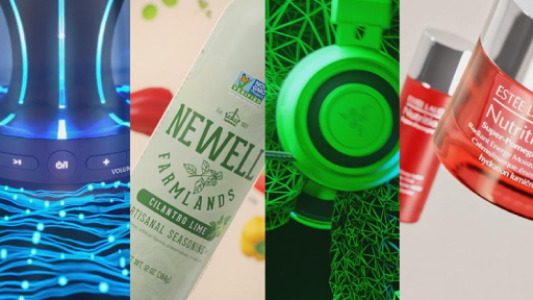
In today’s highly competitive digital marketplace, brands need more than traditional advertising to capture attention and drive results. Consumers are exposed to thousands of marketing messages every day, making it harder than ever for businesses to stand out. This is where 3D commercial animation has become a game-changing marketing tool.
From product launches and television commercials to social media campaigns and digital advertisements, 3D commercial animation helps brands create visually stunning experiences that engage audiences, simplify complex messages, and increase brand recall. Modern businesses across industries are investing heavily in 3D animation because it combines creativity, storytelling, and technology into one powerful marketing solution. Research consistently highlights that 3D animation improves engagement, strengthens brand identity, simplifies communication, and creates memorable customer experiences.
At Prolific Studio, we help businesses transform ideas into captivating 3D commercial animations that drive awareness, engagement, and conversions. Whether you’re promoting a new product, launching a marketing campaign, or building brand recognition, our animation experts create visuals that leave lasting impressions.
What Is 3D Commercial Animation?
3D commercial animation is the process of creating animated advertisements using three-dimensional computer-generated graphics. Unlike traditional video commercials that rely on actors, cameras, and physical locations, 3D animation creates digital environments, characters, products, and visual effects entirely within a virtual space.
These animations can be used for:
- Television commercials
- Social media advertisements
- Product launch campaigns
- Digital marketing videos
- Corporate branding campaigns
- Retail advertising
- Trade show presentations
- Streaming platform advertisements
- Mobile app promotions
- Website promotional videos
The biggest advantage of 3D commercial animation is that brands have complete creative control over every visual element, allowing them to showcase products and concepts in ways that would be impossible or extremely expensive with live-action production.
Why Brands Are Choosing 3D Commercial Animation
Unlimited Creative Freedom
Traditional video production comes with limitations. Weather conditions, locations, actors, props, and equipment can restrict creative possibilities.
With 3D commercial animation, brands can create:
- Futuristic cities
- Fantasy worlds
- Product demonstrations inside microscopic environments
- Impossible camera movements
- Hyper-realistic visual effects
- Animated brand mascots
Everything exists within a digital environment where creativity has virtually no boundaries. This level of control allows businesses to tell stories that would otherwise be difficult to produce.
Higher Audience Engagement
Modern consumers respond strongly to visually engaging content. Animated commercials naturally attract attention because movement, color, and dynamic visuals stimulate viewer interest.
Studies and industry observations show that animated advertisements often generate stronger engagement than static marketing materials because viewers are more likely to watch, remember, and share visually compelling content.
For brands competing in crowded markets, increased engagement can significantly improve campaign performance.
Better Storytelling
Every successful commercial tells a story.
3D commercial animation allows brands to create emotional narratives that connect with audiences on a deeper level. Through characters, environments, visual effects, and motion design, businesses can communicate:
- Brand values
- Product benefits
- Customer experiences
- Company missions
- Emotional connections
Strong storytelling helps customers remember brands long after they have seen the advertisement.
How 3D Commercial Animation Boosts Marketing Results
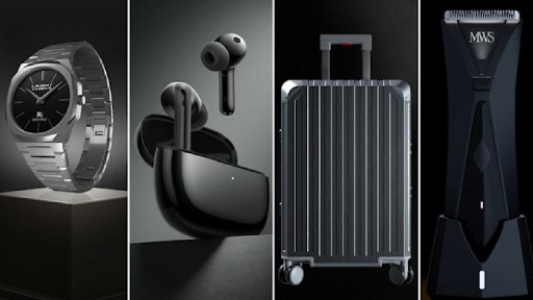
Improves Brand Recognition
Consumers remember visual experiences more effectively than text-based information.
A professionally produced 3D commercial animation creates a unique visual identity that strengthens brand recognition. Consistent use of animated branding elements helps businesses establish a memorable presence across multiple platforms.
Animated logos, branded characters, and distinctive visual styles help companies stand apart from competitors.
Simplifies Complex Products
Many industries struggle to explain complex products and services.
Examples include:
- Healthcare
- Biotechnology
- Manufacturing
- Software
- Engineering
- Electronics
3D animation makes it easier to visualize how products work by breaking down complicated concepts into easy-to-understand visuals.
Instead of relying on lengthy explanations, brands can demonstrate features, functionality, and benefits in seconds. This increases customer understanding and improves purchasing confidence.
Increases Conversion Rates
Consumers are more likely to buy products they fully understand.
When viewers can clearly see product functionality, benefits, and applications, they feel more confident making purchasing decisions.
Many brands use 3D commercial animation to:
- Demonstrate products
- Showcase product features
- Explain services
- Highlight competitive advantages
This clarity often contributes to stronger conversion performance and improved marketing ROI.
Industries That Benefit From 3D Commercial Animation
Technology Companies
Technology products often require detailed explanations.
3D animation helps technology brands visualize:
- Software platforms
- AI systems
- Cloud infrastructure
- Mobile applications
- Smart devices
Animated visuals make technical information accessible to wider audiences.
Healthcare and Medical Brands
Healthcare organizations frequently use animation to explain:
- Medical devices
- Surgical procedures
- Drug mechanisms
- Patient treatments
- Healthcare technologies
3D commercial animation allows viewers to understand complex medical concepts through visual storytelling.
Consumer Electronics
Electronics companies use 3D animation for:
- Product launches
- Feature demonstrations
- Internal component visualization
- Promotional advertisements
Products can be showcased from every angle without requiring physical prototypes.
Automotive Industry
Car manufacturers leverage 3D commercial animation to:
- Reveal new vehicle models
- Demonstrate safety systems
- Highlight performance features
- Create cinematic advertisements
Animation allows brands to create visually spectacular campaigns that capture attention.
Real Estate
Property developers use 3D animation to create:
- Virtual property tours
- Community walkthroughs
- Architectural visualizations
- Construction project presentations
These animations help buyers visualize projects before completion.
Types of 3D Commercial Animation
Product Commercial Animation
These animations focus on showcasing products through:
- 360-degree views
- Feature highlights
- Product demonstrations
- Exploded-view animations
- Interactive experiences
Perfect for eCommerce brands and manufacturers.
Character-Based Commercial Animation
Animated characters create emotional connections with audiences.
Brands often use:
- Mascots
- Brand ambassadors
- Story-driven characters
- Lifestyle-focused narratives
Character animation is particularly effective for family-oriented and consumer-focused brands.
Motion Graphics Commercials
Motion graphics combine typography, visual effects, and animated design elements to communicate information quickly and effectively.
Ideal for:
- SaaS companies
- Corporate campaigns
- Financial services
- Educational marketing
Cinematic Brand Commercials
These are high-end productions designed to create emotional impact through storytelling, visual effects, and cinematic presentation.
Many global brands use cinematic 3D animation to launch products and build brand prestige.
Why 3D Commercial Animation Outperforms Traditional Advertising
Traditional advertising often relies on:
- Expensive location shoots
- Large production crews
- Equipment rentals
- Travel expenses
- Actor fees
3D commercial animation eliminates many of these limitations.
Benefits include:
- Greater creative flexibility
- Faster revisions
- Easier scalability
- Consistent brand presentation
- Long-term asset reuse
Brands can update animations without reshooting entire campaigns, making animation a highly efficient marketing investment.
The 3D Commercial Animation Process at Prolific Studio
At Prolific Studio, our production process is designed to ensure every commercial delivers maximum impact.
1. Discovery & Strategy
We begin by understanding:
- Business goals
- Target audience
- Brand identity
- Marketing objectives
2. Script Development
Our writers create compelling scripts that communicate key messages clearly and effectively.
3. Storyboarding
Visual concepts are mapped out frame by frame before production begins.
4. 3D Modeling
Our artists create detailed digital assets, products, characters, and environments.
5. Animation
Objects and characters are brought to life using advanced animation techniques.
6. Lighting & Rendering
Professional lighting creates realistic visuals and enhances visual quality.
7. Sound Design
Music, voiceovers, and sound effects elevate the viewer experience.
8. Final Delivery
Optimized commercial assets are delivered for television, web, social media, and advertising platforms.
Emerging Trends in 3D Commercial Animation

The future of commercial animation continues to evolve rapidly.
Current trends include:
AI-Assisted Production
Artificial intelligence is streamlining workflows and improving animation efficiency.
Real-Time Rendering
Modern rendering technologies allow faster production and real-time visualization.
Virtual Production
Brands are combining virtual environments with animation to create hybrid experiences.
Personalized Advertising
3D animation enables customized commercial experiences tailored to specific audiences.
Interactive Commercials
Consumers increasingly engage with immersive and interactive advertising experiences.
Why Choose Prolific Studio for 3D Commercial Animation?
At Prolific Studio, we specialize in creating visually stunning 3D commercial animations that help businesses stand out in competitive markets.
Our team delivers:
- Custom 3D commercial animation
- Product advertising animations
- Brand storytelling videos
- Character animation
- Motion graphics commercials
- Corporate marketing videos
- Social media advertising content
- Broadcast-quality commercial production
Whether you’re a startup launching a new product or an established enterprise seeking innovative advertising solutions, our creative team transforms your vision into powerful visual experiences.
3D Advertising Animation: The Future of High-Impact Brand Marketing
In today’s crowded digital marketplace, brands have only a few seconds to capture attention. Consumers scroll through hundreds of advertisements every day, making it increasingly difficult for businesses to stand out. Traditional advertising methods are no longer enough to create memorable experiences. This is where 3D advertising animation is transforming modern marketing.
By combining realistic visuals, storytelling, motion graphics, and immersive experiences, 3D advertising animation helps brands create advertisements that are visually stunning, emotionally engaging, and highly memorable. Businesses across industries are investing in 3D animation because it allows them to showcase products, explain services, and tell compelling stories in ways that traditional advertising simply cannot. Studies and industry reports consistently highlight that animated and visually rich content increases engagement, improves message retention, and helps brands communicate complex ideas more effectively.
At Prolific Studio, we specialize in creating high-quality 3D advertising animations that help brands captivate audiences, increase conversions, and strengthen their market presence. In this guide, we explore everything businesses need to know about 3D advertising animation and why it has become one of the most powerful tools in modern marketing.
What Is 3D Advertising Animation?
3D advertising animation is the process of creating three-dimensional animated content specifically designed for promotional and marketing purposes. Unlike traditional video production, 3D animation allows brands to create entire worlds, products, characters, and environments digitally.
Using advanced modeling, texturing, lighting, rigging, and rendering techniques, animation studios can create highly realistic or stylized visuals that showcase products and services in extraordinary ways.
A 3D advertising animation may include:
- Product advertisements
- Brand commercials
- Social media campaigns
- Digital billboards
- Corporate promotions
- TV commercials
- Motion graphics advertisements
- Interactive marketing campaigns
- AR and VR marketing experiences
The flexibility of 3D animation enables marketers to present ideas that would otherwise be impossible or extremely expensive to film in real life.
Why 3D Advertising Animation Is Growing Rapidly
Marketing trends continue to shift toward visual-first content. Consumers engage more with video than text-based content, and businesses are constantly looking for ways to improve audience engagement.
3D animation offers several advantages:
Superior Visual Appeal
People naturally respond to movement and visually dynamic content. A beautifully crafted 3D advertisement immediately attracts attention and encourages viewers to stop scrolling.
Whether showcasing a luxury watch, a smartphone, a medical device, or an automotive product, 3D animation creates a level of visual sophistication that static images cannot match.
Better Audience Retention
Consumers remember visual content more effectively than written information. Through realistic simulations, dynamic camera movements, and engaging storytelling, 3D advertising animation helps audiences retain information longer.
Enhanced Brand Perception
Premium-quality animation signals professionalism, innovation, and credibility. Brands using high-end 3D advertising often appear more modern and technologically advanced than competitors.
Increased Engagement
Animated advertisements consistently generate higher engagement across websites, social media platforms, and digital campaigns because they are more interactive and visually stimulating.
Benefits of 3D Advertising Animation for Businesses
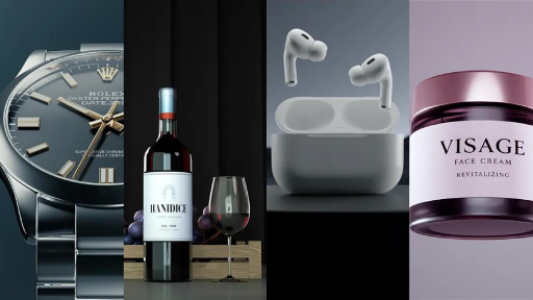
1. Showcase Products from Every Angle
One of the biggest limitations of traditional photography is that viewers can only see specific perspectives.
With 3D product animation, businesses can:
- Rotate products 360 degrees
- Reveal internal components
- Demonstrate hidden features
- Show product functionality
- Highlight unique selling points
This approach is particularly valuable for:
- Consumer electronics
- Automotive brands
- Medical devices
- Industrial equipment
- Luxury goods
3D product animation enables customers to understand products more clearly before making purchasing decisions.
2. Simplify Complex Concepts
Many industries struggle to explain technical products and services.
Examples include:
- Healthcare
- Biotechnology
- Engineering
- SaaS
- Artificial Intelligence
- Manufacturing
3D animation transforms complex processes into easy-to-understand visual experiences.
Instead of reading lengthy explanations, audiences can instantly grasp concepts through visual storytelling. This significantly improves communication and customer understanding.
3. Build Stronger Emotional Connections
The best advertisements are not just informative—they are emotional.
3D advertising animation helps brands:
- Create memorable characters
- Build compelling narratives
- Establish emotional resonance
- Inspire trust and loyalty
Animated storytelling allows brands to connect with audiences on a deeper level while maintaining complete creative control.
4. Reduce Production Costs
Traditional advertising campaigns often require:
- Studio rentals
- Equipment
- Actors
- Locations
- Travel expenses
- Post-production editing
While high-quality 3D animation requires expertise, it can eliminate many of these recurring production costs.
Brands can create entire campaigns digitally without the limitations of physical filming environments.
5. Advertise Products Before Manufacturing
One of the most exciting advantages of 3D advertising animation is the ability to market products before they physically exist.
This is particularly valuable for:
- Startups
- Consumer electronics
- Product launches
- Crowdfunding campaigns
Companies can generate excitement, secure investors, and gather customer interest before production begins.
Types of 3D Advertising Animation
Product Advertising Animation
Product animation focuses on showcasing features, functionality, and design.
Popular examples include:
- Smartphone launches
- Cosmetic products
- Medical devices
- Home appliances
- Automotive components
These animations help customers understand the value of products more effectively.
Character Animation Advertising
Many successful brands use animated mascots and characters.
Benefits include:
- Improved brand recognition
- Emotional engagement
- Consistent branding
- Increased memorability
Character animation works exceptionally well for family-oriented and consumer-focused brands.
Motion Graphics Advertising
Motion graphics combine:
- Typography
- Animated icons
- Visual effects
- Dynamic transitions
These advertisements are ideal for:
- SaaS businesses
- Corporate brands
- Financial services
- Educational platforms
Social Media Animation
Social media platforms demand fast, engaging content.
3D animation is perfect for:
- Instagram advertisements
- TikTok campaigns
- YouTube promotions
- Facebook advertisements
- LinkedIn marketing
Animated content often generates higher engagement compared to static posts.
Digital Billboard Animation
The rise of anamorphic 3D billboards has introduced a new era of outdoor advertising.
Brands are creating eye-catching 3D billboard experiences that appear to extend beyond the screen, generating viral attention and social media exposure. Companies specializing in 3D billboard advertising have demonstrated how immersive visuals can transform outdoor marketing campaigns.
Industries Using 3D Advertising Animation
Healthcare and Pharmaceuticals
Healthcare organizations use 3D animation for:
- Medical marketing
- Surgical visualization
- Drug mechanism animations
- Patient education
Complex medical concepts become easier to understand through animation.
Automotive Industry
Automotive companies use 3D animation to showcase:
- Vehicle features
- Safety technologies
- Engine mechanics
- Future concepts
Animation allows manufacturers to highlight every detail of a vehicle with cinematic quality.
Consumer Electronics
Technology companies use 3D animation to:
- Explain product functionality
- Launch new devices
- Demonstrate innovations
- Visualize internal components
This approach helps consumers understand advanced technology quickly.
Real Estate
Architectural visualization and property marketing rely heavily on 3D animation.
Applications include:
- Virtual tours
- Property walkthroughs
- Commercial developments
- Residential projects
Buyers can explore spaces before construction begins.
E-Commerce
Online retailers use 3D advertising animation to:
- Increase conversions
- Reduce product returns
- Improve customer confidence
- Enhance shopping experiences
Interactive product visualizations continue to reshape digital commerce.
The 3D Advertising Animation Process at Prolific Studio

At Prolific Studio, our production process is designed to maximize creativity and marketing impact.
Discovery and Strategy
We begin by understanding:
- Business goals
- Target audience
- Brand identity
- Marketing objectives
This foundation ensures every animation aligns with business outcomes.
Concept Development
Our creative team develops:
- Storyboards
- Scripts
- Visual concepts
- Campaign ideas
Every scene is carefully planned before production begins.
3D Modeling
We create detailed digital assets including:
- Products
- Characters
- Environments
- Visual elements
Animation Production
Our animators bring concepts to life using:
- Motion design
- Character animation
- Product visualization
- Visual effects
Lighting and Rendering
Advanced rendering techniques create realistic:
- Materials
- Reflections
- Shadows
- Lighting environments
Final Delivery
Animations are optimized for:
- Websites
- Social media
- TV advertising
- Trade shows
- Digital billboards
Why Choose Prolific Studio for 3D Advertising Animation?
Prolific Studio is recognized for delivering premium animation solutions that combine creativity, technology, and marketing strategy.
Our expertise includes:
- 3D Product Animation
- Commercial Advertising Animation
- Corporate Video Production
- Medical Animation
- Character Animation
- Motion Graphics
- Explainer Videos
- Social Media Advertising Content
We understand that successful advertising is not just about creating beautiful visuals—it is about driving measurable business results.
Our team focuses on creating animations that:
- Increase brand awareness
- Improve customer engagement
- Generate leads
- Boost conversions
- Strengthen brand identity
3D CGI Animation: Transforming Ideas into Cinematic Visual Experiences
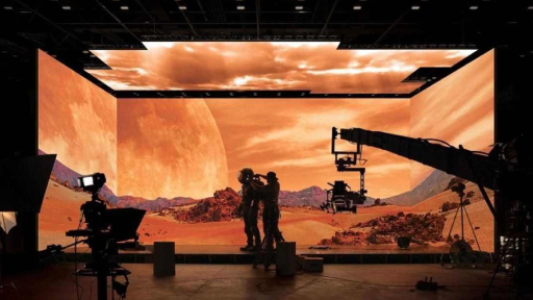
In today’s digital-first world, capturing audience attention is more challenging than ever. Brands need content that not only looks impressive but also communicates complex ideas quickly and effectively. This is where 3D CGI animation has become a game-changing solution. From product launches and advertising campaigns to healthcare visualizations and entertainment projects, CGI animation allows businesses to create stunning visual experiences that would be impossible or prohibitively expensive with traditional filming.
At Prolific Studio, we specialize in creating high-quality 3D CGI animation that helps brands tell compelling stories, showcase products, and engage audiences worldwide. As a leading 3D animation studio, we combine creativity, storytelling, and cutting-edge technology to deliver animations that leave a lasting impression.
What Is 3D CGI Animation?
3D CGI (Computer-Generated Imagery) animation is the process of creating three-dimensional digital environments, objects, and characters using specialized software. Unlike traditional video production, CGI allows creators to build entire worlds from scratch and animate them with complete creative freedom.
Using advanced modeling, texturing, rigging, lighting, animation, and rendering techniques, CGI artists can create realistic or stylized visuals that communicate ideas in ways live-action content often cannot.
Today, 3D CGI animation is widely used in:
- Product marketing
- Medical visualization
- Real estate presentations
- Gaming
- Film and entertainment
- Manufacturing
- Architecture
- Education and training
- Technology demonstrations
The versatility of CGI animation makes it one of the most powerful visual communication tools available to businesses.
Why 3D CGI Animation Is Growing Rapidly
Modern consumers expect engaging visual content. Static images and text-heavy presentations often fail to capture attention in competitive digital environments.
3D CGI animation solves this challenge by offering:
Enhanced Visual Appeal
CGI creates highly detailed visuals that immediately grab attention. Whether showcasing a luxury product or demonstrating a complex medical procedure, the realism and quality of CGI help audiences connect with the message.
Unlimited Creative Freedom
Traditional filming often involves location restrictions, weather concerns, expensive equipment, and logistical challenges.
With CGI animation, anything can be created:
- Futuristic cities
- Microscopic biological processes
- Product explosions
- Space environments
- Unrealistic camera movements
- Impossible perspectives
The only limit is imagination.
Better Product Demonstrations
Products can be displayed from every angle while highlighting internal mechanisms and unique features.
Businesses can showcase:
- Functionality
- Materials
- Engineering details
- User interactions
- Product assembly
without requiring physical prototypes.
Cost Efficiency Over Time
Although high-quality CGI requires professional expertise, it often eliminates many recurring production costs associated with traditional filming, including:
- Studio rentals
- Travel expenses
- Actors
- Physical sets
- Reshoots
For long-term marketing campaigns, CGI frequently provides excellent value.
The CGI Animation Production Process
Creating a professional CGI animation involves multiple stages working together seamlessly.
1. Concept Development
Every successful animation begins with a clear concept.
At Prolific Studio, our team works closely with clients to understand:
- Business goals
- Target audience
- Brand identity
- Marketing objectives
- Key messages
This foundation ensures every visual element serves a strategic purpose.
2. Scriptwriting
A strong script provides the structure for the entire animation.
The script defines:
- Story flow
- Visual sequences
- Narration
- Product highlights
- Call-to-action
Without a strong script, even the most beautiful visuals may fail to achieve business objectives.
3. Storyboarding
Storyboards act as the blueprint for production.
They help visualize:
- Scene composition
- Camera angles
- Character movement
- Timing
- Transitions
This stage allows clients to review and approve the creative direction before production begins.
4. 3D Modeling
Artists create digital models of:
- Products
- Characters
- Buildings
- Vehicles
- Medical structures
- Industrial equipment
Every model is built with precision to ensure realistic results.
5. Texturing and Materials
Textures give models their appearance.
Artists apply:
- Metal finishes
- Fabrics
- Glass effects
- Skin details
- Surface imperfections
- Reflective materials
These details contribute significantly to realism.
6. Rigging
Rigging creates the digital skeleton that allows objects and characters to move naturally.
This stage is essential for:
- Character animation
- Mechanical demonstrations
- Product interactions
- Facial expressions
7. Animation
This is where motion brings everything to life.
Animators carefully create:
- Character performances
- Product movements
- Environmental effects
- Camera motion
- Dynamic transitions
The goal is to create believable movement that supports the story.
8. Lighting
Professional lighting dramatically affects the final result.
Lighting artists create:
- Mood
- Realism
- Depth
- Atmosphere
- Focus
Just like cinematography in film production, lighting plays a crucial role in visual storytelling.
9. Rendering
Rendering converts the 3D scenes into final video frames.
This stage processes:
- Lighting calculations
- Shadows
- Reflections
- Visual effects
- Surface details
High-end rendering creates the photorealistic visuals that modern audiences expect.
10. Post-Production
Final touches include:
- Sound design
- Music
- Voice-over
- Color grading
- Visual effects
- Editing
The result is a polished animation ready for distribution across multiple platforms.
Industries Benefiting from CGI Animation
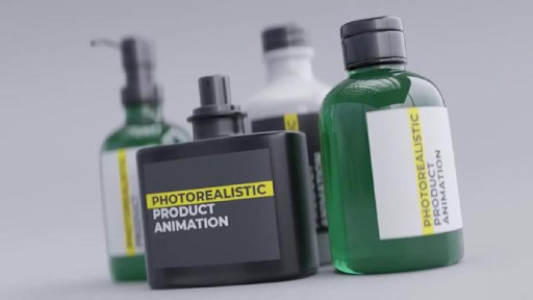
Healthcare and Medical Animation
Healthcare organizations use CGI to simplify complex medical concepts.
Applications include:
- Surgical procedures
- Drug mechanisms
- Anatomy visualization
- Medical device demonstrations
- Patient education
3D medical animation makes difficult information easier to understand for both professionals and patients.
Product Marketing
Brands increasingly rely on CGI to showcase products before manufacturing is complete.
Benefits include:
- Faster marketing launches
- Detailed feature demonstrations
- Interactive visualizations
- Global campaign consistency
Real Estate and Architecture
Architectural CGI helps clients visualize projects before construction begins.
Common applications include:
- Property walkthroughs
- Interior visualization
- Urban development presentations
- Commercial real estate marketing
Manufacturing
Industrial companies use CGI to explain machinery, production processes, and technical systems.
Animation helps simplify complex engineering concepts while improving training and communication.
Gaming and Entertainment
Gaming studios rely heavily on CGI for:
- Cinematic trailers
- Character animations
- Cutscenes
- World-building
- Marketing campaigns
High-quality CGI helps generate excitement before a game launches.
CGI Animation vs Traditional Video Production
Many businesses wonder whether CGI animation or live-action video is the better investment.
CGI Animation Advantages
- Complete creative control
- No location limitations
- Easy updates and revisions
- Consistent brand presentation
- Ability to visualize impossible concepts
- Better technical demonstrations
Live-Action Advantages
- Human authenticity
- Faster production for simple projects
- Real-world environments
In many cases, businesses achieve the best results by combining both approaches.
Emerging Trends in 3D CGI Animation
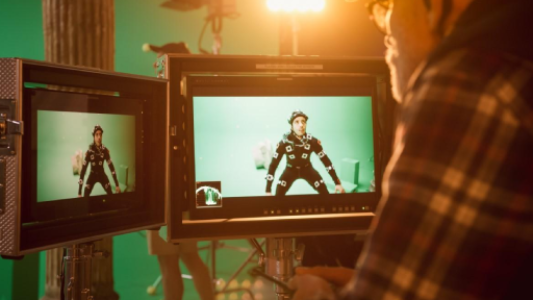
The CGI industry continues evolving rapidly.
Hyper-Realistic Rendering
Modern rendering engines produce visuals nearly indistinguishable from reality.
Brands increasingly use photorealistic CGI for:
- Product launches
- Commercials
- Luxury marketing
AI-Assisted Production
Artificial intelligence is helping animation teams improve efficiency through:
- Automated workflows
- Faster rendering
- Motion generation
- Asset optimization
Real-Time Rendering
Game engine technology now enables near-instant rendering for faster production cycles.
Virtual Production
Virtual production combines CGI environments with live-action filming, creating immersive experiences while reducing production costs.
Interactive Experiences
Brands are exploring:
- Augmented Reality (AR)
- Virtual Reality (VR)
- Interactive product demonstrations
- Metaverse experiences
These technologies increasingly rely on high-quality CGI assets.
How CGI Animation Improves Marketing Results
Businesses invest in CGI because it delivers measurable outcomes.
Increased Engagement
Visually compelling content captures attention more effectively than static media.
Better Product Understanding
Consumers understand features and benefits faster when they see products in motion.
Higher Conversion Rates
Well-produced animation often improves:
- Click-through rates
- Landing page performance
- Product inquiries
- Sales conversions
Improved Brand Perception
Premium CGI visuals position brands as innovative, modern, and professional.
Choosing the Right CGI Animation Studio
Not all animation studios deliver the same level of quality.
When selecting a CGI partner, consider:
Portfolio Quality
Review previous projects carefully.
Look for:
- Realism
- Creativity
- Storytelling
- Technical execution
Industry Experience
Studios familiar with your industry can better understand your audience and objectives.
Communication Process
Successful animation projects require clear collaboration and transparent communication throughout production.
Technical Expertise
Professional studios use industry-standard software and maintain experienced teams of:
- Modelers
- Animators
- Designers
- Directors
- Project managers
Strategic Thinking
Great animation isn’t just visually impressive—it achieves business goals.
Why Brands Choose Prolific Studio for 3D CGI Animation
At Prolific Studio, we help brands transform ideas into visually stunning animations that inspire, educate, and convert audiences. Our team combines creative storytelling with advanced animation techniques to deliver high-impact visual experiences across industries.
Our CGI animation services include:
- Product Animation
- Medical Animation
- Architectural Visualization
- Character Animation
- Commercial Animation
- Game Trailers
- Industrial Animation
- Marketing Videos
- Corporate Presentations
- Technology Visualizations
With a proven production pipeline, dedicated creative team, and commitment to quality, we create animations designed to deliver measurable results for businesses of all sizes.
Medical Device Animation: Transforming Healthcare Communication with 3D Visual Storytelling
The medical device industry is one of the most innovative sectors in healthcare. Every year, companies introduce groundbreaking technologies designed to improve patient outcomes, streamline clinical workflows, and advance modern medicine. However, one challenge remains constant: explaining complex medical devices in a way that healthcare professionals, investors, patients, and stakeholders can easily understand.
This is where medical device animation has become a game-changing solution.
At Prolific Studio, we help medical device manufacturers, healthcare organizations, and biotech companies transform technical concepts into engaging visual experiences through high-quality 3D animation. Medical device animations allow audiences to see how a product functions internally, understand its benefits, and visualize its real-world impact in ways traditional marketing materials simply cannot achieve. Medical animations are increasingly used to demonstrate device functionality, educate healthcare professionals, support training, and improve marketing communication.
In this comprehensive guide, we’ll explore everything you need to know about medical device animation, its benefits, applications, production process, and why it has become an essential tool for modern healthcare companies.
What Is Medical Device Animation?
Medical device animation is a specialized form of 3D animation that visually demonstrates how medical equipment, implants, surgical instruments, diagnostic tools, and healthcare technologies function.
Unlike traditional product videos, medical device animations can reveal internal mechanisms, biological interactions, and microscopic processes that would otherwise remain invisible. These animations combine scientific accuracy with cinematic storytelling to create compelling educational and marketing content.
Examples include:
- Cardiovascular stent animations
- Surgical robotics demonstrations
- Orthopedic implant visualizations
- Diagnostic imaging equipment animations
- Wearable healthcare device animations
- Catheter and vascular device demonstrations
- Drug delivery system animations
- Medical laser technology visualizations
Medical device visualization has become an important communication tool for manufacturers, healthcare providers, and regulatory stakeholders.
Why Medical Device Companies Need Animation
The Complexity Problem
Medical devices often involve sophisticated engineering, advanced materials, and intricate biological interactions.
A brochure may explain specifications.
A presentation may show diagrams.
But animation shows exactly how a device works.
For example, explaining the deployment of a cardiac stent using text can take several pages. A 60-second animation can communicate the same information more effectively by showing the device traveling through blood vessels and expanding within an artery.
Medical device animations help simplify complex concepts while improving audience understanding.
Benefits of Medical Device Animation
1. Simplifies Complex Technology
Healthcare technologies often involve mechanisms that are difficult to explain through static images.
Animation enables viewers to see:
- Internal device structures
- Mechanical movements
- Biological interactions
- Treatment outcomes
- Device deployment procedures
This significantly improves comprehension among healthcare professionals and patients.
2. Enhances Medical Marketing
Medical device companies operate in highly competitive markets.
Animations help brands:
- Showcase innovation
- Highlight competitive advantages
- Demonstrate product differentiation
- Increase audience engagement
- Improve brand recall
Marketing teams frequently use animations for product launches, conferences, websites, and social media campaigns.
3. Supports Sales Teams
Sales representatives often need to explain complex products during presentations.
A professionally produced animation can:
- Standardize messaging
- Reduce explanation time
- Improve audience understanding
- Increase confidence during pitches
Animations provide a visual demonstration that supports persuasive communication.
4. Improves Training Programs
Healthcare providers must understand the proper operation of medical devices.
Animations help train:
- Physicians
- Surgeons
- Nurses
- Medical technicians
- Sales teams
Visual training materials improve retention and ensure safer device usage.
5. Educates Patients
Patients are more likely to trust treatments they understand.
Medical device animations can show:
- How a procedure works
- What happens during treatment
- Expected outcomes
- Device functionality
This improves patient confidence and informed decision-making.
Types of Medical Device Animations
Product Demonstration Animations
These animations showcase the device itself.
They highlight:
- Design features
- Engineering innovations
- Device functionality
- User interactions
Commonly used for marketing and sales presentations.
Mechanism of Action (MoA) Animations
MoA animations demonstrate how a medical device interacts with the human body.
Examples include:
- Drug delivery systems
- Implantable devices
- Neurostimulation technologies
- Cardiovascular interventions
These animations help explain complex biological processes.
Surgical Procedure Animations
These visualizations demonstrate how devices are used during procedures.
Applications include:
- Orthopedic surgery
- Cardiac interventions
- Neurosurgery
- Minimally invasive procedures
Healthcare providers use these animations for education and training.
Training Animations
Training-focused animations provide step-by-step guidance for healthcare professionals.
They often include:
- Device setup
- Usage protocols
- Safety procedures
- Maintenance instructions
Investor Presentation Animations
Investors may not have medical expertise.
Animations help communicate:
- Market potential
- Clinical benefits
- Product innovation
- Competitive advantages
This makes complex technologies more accessible to stakeholders.
Industries That Benefit from Medical Device Animation
Cardiovascular Devices
Animations can visualize:
- Stent deployment
- Heart valve replacement
- Catheter navigation
- Blood flow dynamics
Orthopedic Devices
3D animations showcase:
- Joint replacements
- Spinal implants
- Bone fixation systems
- Surgical instruments
Diagnostic Equipment
Medical imaging technologies often benefit from animation.
Examples include:
- MRI systems
- CT scanners
- Ultrasound equipment
- Diagnostic software
Wearable Healthcare Technology
Modern wearable devices use animation to demonstrate:
- Monitoring capabilities
- Sensor technology
- Data collection processes
- Patient benefits
Surgical Robotics
Robotic surgery systems involve highly complex mechanisms.
Animation helps audiences understand:
- Robotic movements
- Surgical precision
- Workflow integration
- Clinical outcomes
The Medical Device Animation Production Process
At Prolific Studio, we follow a structured workflow to ensure scientific accuracy and visual excellence.
Step 1: Discovery and Research
The process begins with:
- Product documentation review
- Technical analysis
- Scientific research
- Stakeholder interviews
This ensures complete understanding of the device.
Step 2: Script Development
A strong script transforms technical information into a compelling narrative.
The script focuses on:
- Key messages
- Audience needs
- Product benefits
- Clinical relevance
Step 3: Storyboarding
Storyboards provide a visual roadmap.
They establish:
- Scene flow
- Camera angles
- Visual sequences
- Animation timing
Step 4: 3D Modeling
Artists create detailed 3D models of:
- Medical devices
- Human anatomy
- Surgical environments
Precision is critical during this stage.
Step 5: Animation Production
Animators bring the models to life.
This includes:
- Device movement
- Biological interactions
- Procedure demonstrations
- Dynamic simulations
Step 6: Texturing and Lighting
Realistic materials and lighting improve visual quality.
These elements help create a professional, scientifically credible presentation.
Step 7: Voiceover and Sound Design
Professional narration enhances understanding and engagement.
Sound design adds realism and emotional impact.
Step 8: Review and Final Delivery
Clients review drafts to ensure:
- Scientific accuracy
- Regulatory compliance
- Brand consistency
- Communication effectiveness
How Medical Device Animation Improves Regulatory Communication
Regulatory approval often requires clear communication of device functionality.
Animations can support:
- Technical presentations
- Product demonstrations
- Clinical explanations
- Stakeholder communications
While animations do not replace official documentation, they help simplify complex concepts for reviewers and stakeholders.
Medical Device Animation vs Traditional Product Photography
| Feature | Product Photography | Medical Device Animation |
|---|---|---|
| Internal Visualization | Limited | Excellent |
| Biological Interaction | Not Possible | Fully Visualized |
| Motion Demonstration | Static | Dynamic |
| Educational Value | Moderate | High |
| Marketing Impact | Good | Excellent |
| Scientific Explanation | Limited | Comprehensive |
Animation offers significantly greater flexibility and communication power.
Emerging Trends in Medical Device Animation
Interactive 3D Experiences
Users can explore devices from multiple angles and interact with product features.
Augmented Reality (AR)
AR enables healthcare professionals to visualize medical devices within real-world environments.
Virtual Reality (VR)
VR-based training programs are becoming increasingly common in surgical education.
AI-Assisted Visualization
Artificial intelligence is accelerating animation workflows and enhancing simulation capabilities.
Real-Time Rendering
Advanced rendering technologies enable faster production and more interactive presentations.
Why Choose Prolific Studio for Medical Device Animation?
Healthcare communication requires more than animation skills.
It requires:
- Scientific understanding
- Technical precision
- Medical visualization expertise
- Exceptional storytelling
At Prolific Studio, we combine advanced 3D animation technology with strategic communication to create medical device animations that educate, engage, and inspire.
Our team develops:
- Medical device animations
- Surgical visualizations
- Healthcare marketing videos
- Biomedical animations
- Mechanism of action animations
- Clinical training content
- Investor presentation videos
Every project is designed to transform complex medical information into visually compelling experiences that drive results.
3D Technology Animation: Transforming Innovation Through Visual Storytelling
Technology is evolving faster than ever. From artificial intelligence and cloud computing to robotics, IoT devices, semiconductors, and advanced software platforms, modern innovations are becoming increasingly complex. While these breakthroughs create incredible opportunities, they also present a significant challenge: explaining sophisticated technology in a way that audiences can quickly understand.
This is where 3D technology animation becomes invaluable.
At Prolific Studio, we help technology companies transform complicated concepts into visually engaging experiences through high-quality 3D animation services. Whether you are launching a new product, pitching investors, educating customers, or training employees, 3D technology animation can simplify complex ideas and make innovation accessible to everyone.
In this guide, we will explore what 3D technology animation is, why it matters, its applications across industries, and how businesses can leverage it to gain a competitive advantage.
What Is 3D Technology Animation?
3D technology animation is the process of creating three-dimensional visual content that explains, demonstrates, or showcases technology-related products, systems, software, and processes.
Unlike traditional videos or static graphics, 3D animation provides depth, movement, realism, and interactivity that help viewers understand complex technical information more effectively.
Technology animations can include:
- Software demonstrations
- AI process visualizations
- Hardware product showcases
- Semiconductor animations
- Cloud computing explanations
- Cybersecurity visualizations
- Robotics demonstrations
- Industrial automation workflows
- IoT ecosystem visualizations
- Data flow animations
By combining technical accuracy with compelling storytelling, businesses can communicate innovation in a way that is both educational and memorable.
Why Technology Companies Need 3D Animation
One of the biggest challenges facing technology companies is communication.
Many products are highly technical, making them difficult to explain using text, diagrams, or live-action videos alone.
Research and industry observations show that 3D visualization helps organizations improve communication, engagement, and decision-making by presenting complex concepts through realistic visual content.
Simplifying Complexity
Technology products often involve processes that cannot be seen with the naked eye.
Examples include:
- Data transmission
- Machine learning algorithms
- Cloud infrastructure
- Network security
- Semiconductor architecture
Through animation, these invisible processes become visible and understandable.
Instead of reading lengthy documentation, viewers can see exactly how a system works.
Increasing Audience Engagement
Visual content naturally captures attention more effectively than text-heavy explanations.
3D animations combine motion, storytelling, and realism to create immersive experiences that keep audiences engaged longer. High-quality 3D visuals are also associated with stronger brand perception and customer engagement.
Improving Product Understanding
When customers fully understand a technology product, they are more likely to trust it and purchase it.
3D technology animations help businesses:
- Explain features
- Demonstrate functionality
- Highlight benefits
- Showcase competitive advantages
This leads to more informed buying decisions and stronger customer confidence.
Benefits of 3D Technology Animation
1. Enhanced Visual Communication
Technology often involves abstract concepts.
3D animation transforms these concepts into visual stories that are easier to comprehend.
Instead of explaining a cloud network through slides, companies can visually illustrate how data moves across servers, devices, and applications in real time.
2. Improved Product Demonstrations
Many technology products are difficult to demonstrate physically.
For example:
- Software platforms
- Internal hardware components
- AI algorithms
- Semiconductor systems
3D animations can showcase every detail without physical limitations.
Businesses can demonstrate features from angles and perspectives impossible to capture with traditional filming.
3. Faster Decision-Making
When stakeholders understand a product quickly, decisions happen faster.
Interactive and realistic visualizations reduce confusion and help audiences evaluate solutions more efficiently.
4. Cost-Effective Marketing
Creating physical prototypes and filming demonstrations can be expensive.
3D technology animation allows businesses to:
- Present products before manufacturing
- Test concepts virtually
- Reduce production costs
- Update content easily
Virtual demonstrations often eliminate the need for multiple physical prototypes.
5. Stronger Brand Positioning
Technology companies compete in crowded markets.
Professional 3D animations create a premium appearance that reinforces innovation, expertise, and credibility.
They help brands stand out while communicating sophisticated solutions with confidence.
Applications of 3D Technology Animation
Software and SaaS Visualization
Software is difficult to market because it lacks physical form.
3D animation helps SaaS companies visualize:
- User workflows
- Data processing
- System integrations
- Dashboard functionality
- Automation sequences
Instead of showing static screenshots, businesses can present dynamic software experiences that clearly demonstrate value.
Artificial Intelligence Animation
AI is one of the fastest-growing sectors in technology.
However, machine learning models, neural networks, and predictive analytics can be challenging for non-technical audiences to understand.
3D AI animations help explain:
- Neural network structures
- AI decision-making
- Predictive modeling
- Automation workflows
- Generative AI processes
These visualizations make AI more accessible to investors, customers, and stakeholders.
Cybersecurity Animation
Cybersecurity solutions often operate behind the scenes.
3D animation enables companies to visualize:
- Threat detection
- Data encryption
- Network monitoring
- Security protocols
- Cyberattack prevention
Complex security mechanisms become easier to understand when shown visually.
Semiconductor and Chip Technology
Modern semiconductor technology contains microscopic components that cannot be easily showcased.
Technology animation allows companies to demonstrate:
- Chip architecture
- Processor performance
- Heat management
- Signal transmission
- Multi-layer chip structures
As semiconductor innovation continues advancing, visual storytelling becomes increasingly important for communicating technical breakthroughs.
Robotics and Automation
Robotics companies use 3D animation to showcase:
- Automated manufacturing
- Robotic movement
- Industrial systems
- Assembly processes
- AI-powered robotics
Animation helps demonstrate functionality before systems are deployed in real-world environments.
Cloud Computing Visualization
Cloud infrastructure is highly complex.
3D animation simplifies concepts such as:
- Data storage
- Cloud migration
- Hybrid cloud environments
- Multi-cloud architecture
- Server communication
This helps businesses communicate cloud solutions more effectively.
Internet of Things (IoT)
IoT ecosystems involve multiple devices connected through networks.
3D technology animations can visualize:
- Device communication
- Smart home systems
- Industrial IoT
- Connected healthcare devices
- Real-time monitoring
These visualizations help audiences understand how interconnected systems function.
Industries Using 3D Technology Animation
Technology animation serves a wide range of industries.
Consumer Electronics
Manufacturers use 3D animation to showcase:
- Smartphones
- Wearables
- Gaming devices
- Smart appliances
- Consumer gadgets
Interactive visualizations help customers explore products in detail before purchasing.
Healthcare Technology
Medical technology companies use animation to explain:
- Diagnostic devices
- Surgical systems
- Medical software
- Healthcare AI
- Patient monitoring solutions
Complex healthcare innovations become easier for professionals and patients to understand.
Manufacturing
Industrial organizations use technology animations to demonstrate:
- Production systems
- Factory automation
- Equipment functionality
- Process optimization
These visualizations improve communication with customers and investors.
Automotive Technology
The automotive sector increasingly relies on 3D animation for:
- Electric vehicle systems
- Autonomous driving technologies
- Battery innovations
- Connected vehicle platforms
Animations showcase technologies that are difficult to explain through traditional marketing methods.
Aerospace and Defense
Aerospace companies use 3D animations for:
- Aircraft systems
- Satellite technology
- Defense solutions
- Engineering simulations
Technical accuracy and visual clarity are critical in these industries.
How 3D Technology Animation Supports Marketing
Product Launch Campaigns
Launching a technology product requires generating excitement and understanding simultaneously.
3D animation enables companies to:
- Build anticipation
- Explain innovations
- Highlight competitive advantages
- Create engaging promotional materials
Businesses can even market products before physical production begins.
Trade Shows and Events
Technology exhibitions are highly competitive.
Animated visuals attract attention and communicate information more effectively than static displays.
Attendees can quickly understand products without lengthy explanations.
Website Conversion Optimization
Adding 3D animations to websites can:
- Increase engagement
- Improve user experience
- Extend session duration
- Improve lead generation
Visual storytelling helps visitors understand value propositions more quickly.
Investor Presentations
Investors want clarity.
Technology animations help founders communicate:
- Market opportunities
- Product functionality
- Technical advantages
- Future vision
This makes presentations more compelling and persuasive.
The Future of 3D Technology Animation
The future of technology animation is closely linked to emerging innovations.
Key trends include:
Artificial Intelligence Integration
AI-powered tools are streamlining animation production and improving realism. AI-assisted visualization is expected to enhance rendering efficiency and creative workflows.
Augmented Reality (AR)
AR allows users to interact with animated technology content within real-world environments.
Virtual Reality (VR)
VR creates immersive product experiences that improve engagement and understanding.
Real-Time Rendering
Modern rendering engines are enabling instant visualization updates, reducing production timelines and improving creative flexibility.
Interactive 3D Experiences
Interactive visualizations allow users to explore products from every angle, creating deeper engagement and better learning experiences.
Why Choose Prolific Studio for 3D Technology Animation?
At Prolific Studio, we specialize in creating visually stunning and technically accurate 3D technology animations that help businesses communicate innovation effectively.
Our expertise includes:
- 3D Product Animation Services
- Technology Explainer Videos
- AI Visualization
- Software Animation
- Hardware Demonstrations
- Industrial Technology Animation
- Scientific Visualization
- Interactive 3D Experiences
- Corporate Technology Presentations
We combine creative storytelling, technical precision, and cutting-edge animation techniques to help brands transform complex ideas into compelling visual experiences.
3D Software Animation: The Technology Powering Modern Visual Storytelling
In today’s digital-first world, businesses need more than static images and traditional videos to capture attention. Audiences expect immersive visuals, realistic product demonstrations, engaging brand stories, and interactive experiences. This growing demand has made 3D software animation one of the most powerful tools for modern marketing, entertainment, education, healthcare, and product visualization.
At Prolific Studio, we help brands transform ideas into visually compelling experiences using industry-leading 3D animation software, creative storytelling, and advanced production techniques. Whether you need a product showcase, architectural walkthrough, medical visualization, or animated commercial, the right software combined with expert artists can bring any concept to life.
This guide explores everything you need to know about 3D software animation, its benefits, applications, workflow, and why it continues to shape the future of digital content.
What Is 3D Software Animation?
3D software animation is the process of creating moving digital objects and characters within a three-dimensional environment using specialized computer software.
Unlike 2D animation, which works on flat surfaces, 3D animation creates depth, perspective, realistic lighting, textures, and movement. This allows artists to produce lifelike visuals that closely resemble real-world objects and environments.
Modern 3D animation software enables creators to:
- Build digital models
- Create realistic textures
- Design virtual environments
- Animate characters
- Simulate physics
- Generate visual effects
- Produce cinematic-quality renders
These capabilities have made 3D animation a cornerstone of modern content creation across multiple industries. The demand for 3D animation continues to expand beyond entertainment into healthcare, education, architecture, advertising, and interactive media.
The Evolution of 3D Animation Software
The journey of 3D animation began with simple wireframe models and limited computing power.
Today, animation software offers:
- Real-time rendering
- AI-assisted workflows
- Motion capture integration
- Cloud collaboration
- Advanced physics simulations
- Virtual production tools
Modern studios can now create complex scenes faster than ever before thanks to advancements in rendering engines and AI-powered production tools. Industry trends indicate that real-time technologies and AI-assisted workflows are becoming mainstream throughout animation production pipelines.
Why Businesses Are Investing in 3D Animation
Businesses across industries are increasingly adopting 3D animation because it helps communicate ideas more effectively than traditional media.
Better Product Visualization
Customers can see products from every angle before purchasing.
Increased Engagement
Animated content captures attention longer than static visuals.
Improved Conversion Rates
Detailed visual explanations help customers understand products and services more clearly.
Stronger Brand Recognition
Unique animations help brands stand out in competitive markets.
Simplified Complex Concepts
Technical processes become easier to understand through animation.
At Prolific Studio, we use these advantages to create visual experiences that drive engagement, improve customer understanding, and support business growth.
Core Components of 3D Software Animation
Creating professional animation involves multiple stages.
1. Modeling
Modeling is the process of creating digital objects and characters.
Artists use software to build:
- Products
- Vehicles
- Characters
- Buildings
- Medical structures
- Environments
The quality of the model directly impacts the final animation.
2. Texturing
Textures add realism to 3D models.
Artists apply:
- Colors
- Surface details
- Materials
- Patterns
- Reflective properties
This transforms simple models into realistic digital assets.
3. Rigging
Rigging creates a digital skeleton for characters and objects.
It allows animators to control movement naturally.
Without rigging, characters cannot walk, talk, or perform actions.
4. Animation
This stage brings models to life.
Animators create:
- Character movement
- Facial expressions
- Camera motion
- Object interactions
- Environmental dynamics
Animation is where storytelling truly begins.
5. Lighting
Lighting creates mood, realism, and visual focus.
Proper lighting can make digital scenes appear almost indistinguishable from real footage.
6. Rendering
Rendering converts 3D scenes into final images or videos.
Modern rendering technology has significantly improved production speed and visual quality. Real-time rendering is becoming increasingly important across animation and marketing industries.
Popular 3D Animation Software Used by Professionals
Different software solutions serve different purposes.
Autodesk Maya
One of the most widely used professional animation tools.
Best for:
- Character animation
- Film production
- Visual effects
- Game cinematics
Blender
A powerful open-source solution used by independent artists and studios worldwide.
Advantages include:
- No licensing cost
- Complete production pipeline
- Active community support
Blender continues to grow as a major platform for animation creators.
Cinema 4D
Known for:
- Motion graphics
- Advertising content
- Product animations
- Broadcast design
Cinema 4D continues expanding with AI-assisted features and new platform support.
3ds Max
Popular in:
- Architecture
- Product visualization
- Industrial design
- Interior rendering
Unreal Engine
Initially built for gaming, Unreal Engine now powers:
- Virtual production
- Real-time rendering
- Interactive experiences
- Marketing visualizations
Real-time production using game engines is among the fastest-growing trends in animation.
How AI Is Transforming 3D Animation Software
Artificial intelligence is reshaping modern animation workflows.
AI now assists with:
- Character rigging
- Motion generation
- Facial animation
- Lip syncing
- Asset generation
- Rendering optimization
Rather than replacing artists, AI helps automate repetitive tasks and accelerate production. Industry leaders increasingly use AI to improve productivity while preserving human creativity.
At Prolific Studio, we embrace technology that enhances creativity while maintaining the artistic quality our clients expect.
Industries Using 3D Software Animation
Healthcare
Medical animation helps explain:
- Surgical procedures
- Drug mechanisms
- Medical devices
- Patient education
Architecture
Architectural visualization enables clients to experience projects before construction begins.
Examples include:
- Virtual tours
- Real estate marketing
- Urban planning presentations
Manufacturing
Manufacturers use animation to demonstrate:
- Machinery
- Production systems
- Industrial processes
- Safety procedures
Education
Educational institutions use 3D animation to simplify complex subjects and improve learning outcomes.
Marketing
Brands increasingly use animation for:
- Product launches
- Social media campaigns
- Commercials
- Explainer videos
- Interactive advertising
The growing use of animation across marketing, education, healthcare, gaming, and product design reflects broader industry expansion.
The Role of Real-Time Animation
Traditional rendering could take hours or even days to complete.
Real-time animation technologies now allow creators to:
- Preview scenes instantly
- Make live adjustments
- Accelerate production
- Improve collaboration
This innovation has transformed industries including gaming, advertising, architecture, and virtual production. Real-time rendering is consistently identified as one of the most important trends shaping the future of 3D animation.
3D Animation for Product Marketing
Modern consumers want to see products before they buy.
3D product animation helps businesses:
- Highlight features
- Demonstrate functionality
- Showcase customization options
- Increase buyer confidence
At Prolific Studio, our 3D product animation services help brands launch products with greater impact and stronger audience engagement.
Character Animation and Storytelling
Characters remain one of the most powerful communication tools in animation.
Effective character animation creates:
- Emotional connections
- Brand personality
- Memorable experiences
- Audience engagement
Modern software supports sophisticated facial animation, motion capture, and AI-assisted character workflows that significantly enhance realism and production efficiency.
The Future of 3D Software Animation
The future of animation is evolving rapidly.
Emerging trends include:
AI-Assisted Production
Artists are using AI to streamline workflows and increase efficiency.
Virtual Production
Real-time environments are transforming film and commercial production.
Immersive Experiences
AR and VR applications continue expanding across industries.
Cloud Collaboration
Remote production teams can work together seamlessly.
Interactive Animation
Users increasingly expect interactive digital experiences.
Industry experts predict continued growth in AI-powered tools, real-time rendering, virtual production, and cross-industry adoption of 3D animation technologies.
Why Choose Prolific Studio for 3D Software Animation?
At Prolific Studio, we combine creativity, technology, and strategic storytelling to deliver premium-quality animation solutions.
Our team specializes in:
- 3D Product Animation
- Character Animation
- Medical Animation
- Architectural Visualization
- Motion Graphics
- Explainer Videos
- Corporate Animation
- Interactive Visual Content
We use advanced software and industry-proven workflows to create visually stunning content that aligns with your business objectives.
Whether you’re launching a product, educating customers, attracting investors, or building brand awareness, our animation experts can transform your ideas into impactful visual experiences.
3D SaaS Product Animation: The Ultimate Guide
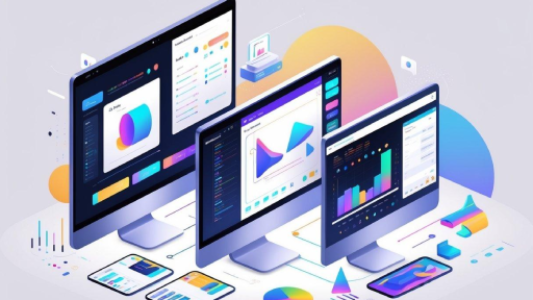
In the highly competitive SaaS industry, having a great product is no longer enough. Many software companies invest thousands of dollars in development, marketing, and sales, yet still struggle to communicate the true value of their platform. The challenge is simple: software is invisible. Unlike physical products, prospects cannot hold it, touch it, or instantly understand how it works.
This is where 3D SaaS Product Animation becomes a game-changer.
At Prolific Studio, we help SaaS brands transform complex software concepts into visually engaging experiences that simplify communication, accelerate conversions, and improve customer engagement. Through high-quality 3D animation services, businesses can showcase workflows, data processes, integrations, automation systems, AI capabilities, and product benefits in ways that static screenshots simply cannot achieve.
Research consistently shows that visual storytelling helps audiences understand and retain complex information faster than text alone. For SaaS businesses, animation bridges the gap between technical functionality and customer understanding.
This comprehensive guide explores how 3D SaaS product animation works, why it matters, and how companies can leverage it to increase awareness, engagement, and revenue.
What Is 3D SaaS Product Animation?
3D SaaS product animation is the process of using three-dimensional visuals, motion graphics, animated user interfaces, and cinematic storytelling to explain software products and digital platforms.
Unlike traditional screen recordings or slide presentations, 3D animations create immersive visual experiences that help viewers understand:
- Product functionality
- User workflows
- Platform architecture
- API integrations
- AI-powered automation
- Data visualization
- Cloud infrastructure
- Security processes
- Customer journeys
The goal is not simply to show a dashboard. The goal is to tell a compelling story about how the software solves a problem.
Modern SaaS platforms often include sophisticated backend systems, data pipelines, and automation engines that cannot be effectively communicated through screenshots alone. 3D animation makes these invisible processes visible and understandable.
Why SaaS Companies Need 3D Animation
The average SaaS customer makes decisions quickly.
Visitors land on a website, scan the content, and determine within seconds whether the solution is relevant.
If your product explanation is confusing, most prospects leave before understanding your value proposition.
Common SaaS Marketing Challenges
Many SaaS businesses struggle with:
- Long sales cycles
- Poor onboarding
- Low conversion rates
- High churn rates
- Complex feature explanations
- Weak product differentiation
- Difficult investor presentations
3D animation directly addresses these challenges by making software easier to understand and more memorable. Visual storytelling helps simplify complex products while improving engagement across multiple touchpoints.
Benefits of 3D SaaS Product Animation
1. Simplifies Complex Features
Many SaaS products contain advanced functionality that is difficult to explain using text.
Examples include:
- AI automation
- Machine learning models
- CRM workflows
- Cloud architecture
- Cybersecurity systems
- Fintech platforms
- Healthcare software
3D animation visually demonstrates these concepts step-by-step, helping prospects understand functionality without technical jargon.
2. Increases Conversion Rates
A visitor who understands your software is far more likely to take action.
Whether the goal is:
- Free trial signups
- Demo bookings
- Product purchases
- Consultation requests
Animation removes confusion and helps prospects visualize success.
Many SaaS companies deploy animated product explainers on landing pages specifically to improve conversions and reduce friction during the buying process.
3. Builds Brand Authority
Perception matters.
When potential customers encounter a professionally produced 3D animation, they immediately associate your brand with:
- Innovation
- Professionalism
- Reliability
- Technical expertise
A polished visual presentation signals that your company invests in quality and customer experience. This often increases trust during early buying stages.
4. Improves User Onboarding
Customer acquisition is only the beginning.
Successful SaaS businesses focus heavily on onboarding because early user experiences often determine long-term retention.
3D onboarding animations help users:
- Learn faster
- Activate key features
- Complete setup processes
- Understand workflows
- Achieve results sooner
Visual learning reduces support tickets while improving customer satisfaction
5. Enhances Product Launches
Launching a new SaaS product can be challenging.
You may have:
- Innovative technology
- Groundbreaking features
- Unique workflows
But if customers cannot understand those benefits immediately, adoption suffers.
3D animation creates excitement while clearly demonstrating how the product solves real-world problems.
This is particularly valuable for:
- Startup launches
- New feature releases
- Enterprise software updates
- Platform redesigns
Where SaaS Companies Use 3D Product Animation
Homepage Explainer Videos
Your homepage is often the first interaction visitors have with your brand.
A compelling 3D explainer immediately communicates:
- What your product does
- Who it helps
- Why it matters
This creates stronger first impressions and encourages deeper engagement.
Product Demo Videos
Traditional product demos can feel overwhelming.
3D animations guide viewers through:
- Key features
- Core benefits
- User journeys
- Real-world applications
Without requiring lengthy presentations or sales calls.
Investor Presentations
Investors evaluate opportunities quickly.
Instead of presenting complex diagrams and technical documents, SaaS companies can use animation to communicate:
- Product vision
- Market opportunity
- Technical innovation
- Scalability
This often results in more engaging and memorable presentations.
Paid Advertising Campaigns
Short-form animated content performs exceptionally well across:
- YouTube
- Display advertising networks
Animation captures attention faster than static graphics while communicating more information within seconds.
Sales Enablement
Sales teams frequently encounter prospects who struggle to understand technical products.
3D product animations help sales representatives:
- Explain features faster
- Demonstrate value visually
- Address objections
- Accelerate decision-making
Industries That Benefit Most from SaaS Animation
FinTech
Financial software often involves:
- Payment processing
- Fraud detection
- Banking integrations
- Investment management
3D animation simplifies financial workflows and builds trust.
Healthcare Technology
Healthcare SaaS platforms require clear communication around:
- Patient management
- Data security
- Compliance
- Telemedicine
Animation helps explain these systems without overwhelming audiences.
Cybersecurity
Security software can be difficult to visualize.
Animation can demonstrate:
- Threat detection
- Data protection
- Network monitoring
- Incident response
Through engaging visual storytelling.
Artificial Intelligence
AI products often operate behind the scenes.
3D animation helps audiences understand:
- Machine learning workflows
- Predictive analytics
- Automation processes
- Data intelligence
Making AI more accessible and understandable.
Enterprise Software
Large enterprise solutions typically include numerous integrations and workflows.
Animation simplifies:
- CRM systems
- ERP platforms
- HR software
- Supply chain tools
Helping decision-makers understand value faster.
The Prolific Studio Approach to SaaS Product Animation

At Prolific Studio, every SaaS animation project begins with understanding the product and the audience.
Our process includes:
Discovery and Strategy
We identify:
- Customer pain points
- Key product benefits
- Market positioning
- Business objectives
Script Development
A strong animation begins with a compelling story.
We create scripts that focus on:
- Problems
- Solutions
- Benefits
- User outcomes
Storyboarding
Before animation begins, we visualize every scene to ensure alignment with business goals.
3D Production
Our artists create:
- Product environments
- UI animations
- Motion graphics
- Visual effects
- Data visualizations
Using industry-leading animation pipelines.
Sound Design and Voiceover
Professional voiceovers and sound effects enhance clarity and engagement.
Final Delivery
Videos are optimized for:
- Websites
- Landing pages
- Social media
- Paid advertising
- Presentations
- Sales teams
Best Practices for High-Converting SaaS Animations
Focus on Problems Before Features
Customers care about outcomes.
Show the problem first.
Then demonstrate how the software solves it.
Keep Messaging Clear
Avoid overwhelming viewers with every feature.
Focus on the most valuable benefits.
Use Realistic User Scenarios
People connect with relatable situations.
Demonstrate how real customers benefit from the software.
Prioritize Visual Clarity
Every animation should simplify, not complicate.
The best SaaS animations make complex systems feel intuitive.
End with a Strong Call-to-Action
Guide viewers toward the next step:
- Book a demo
- Start a free trial
- Request a consultation
- Contact sales
Future Trends in SaaS Product Animation
The future of SaaS marketing is becoming increasingly visual.
Emerging trends include:
- AI-enhanced animation workflows
- Interactive 3D experiences
- Real-time product visualization
- Personalized animated demos
- Immersive product storytelling
- Web-based 3D experiences
Companies investing in advanced animation today are positioning themselves for future growth and competitive differentiation.
Why Choose Prolific Studio for 3D SaaS Product Animation?
Creating effective SaaS animation requires more than technical animation skills.
It requires understanding:
- Software products
- User psychology
- Marketing strategy
- Storytelling
- Conversion optimization
Prolific Studio combines all these elements to create powerful visual experiences that help SaaS companies communicate more effectively, engage audiences, and drive measurable business growth.
Whether you’re launching a startup, scaling an enterprise platform, introducing AI-powered solutions, or improving customer onboarding, our team can transform complex software concepts into visually compelling stories that resonate with your audience.
3D Scientific Animation: Transforming Complex Science into Visual Understanding
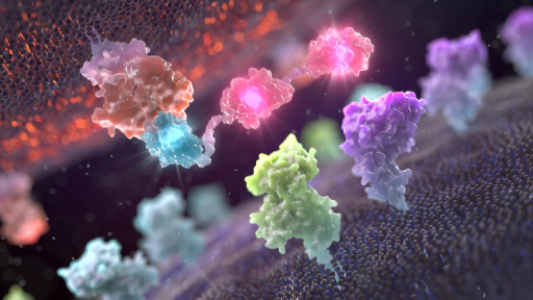
Science is advancing faster than ever before. Every day, researchers, pharmaceutical companies, biotechnology firms, and healthcare organizations make discoveries that have the potential to change lives. However, one major challenge remains: how do you explain highly complex scientific concepts to audiences with different levels of understanding?
This is where 3D Scientific Animation becomes a game-changer.
At Prolific Studio, we help organizations transform complicated scientific data, biological processes, molecular interactions, and technological innovations into visually engaging and scientifically accurate animations. Through advanced 3D visualization, we make science easier to understand, remember, and communicate.
In this guide, we’ll explore everything you need to know about 3D scientific animation, its applications, benefits, production process, and why businesses across healthcare, biotech, pharmaceutical, and research industries are investing in it.
What Is 3D Scientific Animation?
3D scientific animation is the process of creating computer-generated visual content that accurately represents scientific concepts, processes, systems, and discoveries.
Unlike traditional animation, scientific animation combines:
- Scientific accuracy
- Research-backed visualization
- High-quality 3D modeling
- Data-driven storytelling
- Advanced motion graphics
The goal is to help viewers understand subjects that are often invisible to the naked eye, such as:
- Cellular functions
- Molecular interactions
- DNA structures
- Drug mechanisms
- Medical devices
- Engineering systems
- Environmental processes
- Space and astronomy concepts
Scientific animation allows audiences to see what would otherwise be impossible to visualize through photographs or live-action video. Scientific visualization is increasingly used to communicate complex biological processes, mechanisms of action, and research findings with clarity and precision.
Why Scientific Communication Needs Animation
Many scientific breakthroughs fail to gain attention simply because they are difficult to explain.
Researchers often struggle when presenting findings to:
- Investors
- Healthcare professionals
- Regulatory agencies
- Patients
- Students
- General audiences
Scientific papers and technical documents are essential, but they can be overwhelming for non-specialists.
A 3D scientific animation bridges this gap by turning technical information into visual stories that simplify learning without sacrificing accuracy.
Research-focused visualization companies increasingly use 3D animation to communicate pharmaceutical, biotechnology, and healthcare innovations because visual storytelling improves comprehension and engagement.
The Growing Demand for 3D Scientific Animation
The demand for scientific visualization continues to grow because modern industries generate massive amounts of complex information.
Industries investing heavily in scientific animation include:
Pharmaceutical Companies
Drug manufacturers use animations to explain:
- Mechanisms of action (MoA)
- Clinical trial outcomes
- Drug delivery systems
- Disease progression
Biotechnology Firms
Biotech companies use scientific animation for:
- Investor presentations
- Product launches
- Research communication
- Technology demonstrations
Medical Device Manufacturers
Animations help demonstrate:
- Device functionality
- Surgical procedures
- Product benefits
- Training materials
Research Institutions
Universities and laboratories use animations to:
- Publish findings
- Improve public engagement
- Support grant applications
- Enhance educational programs
Healthcare Organizations
Hospitals and healthcare providers rely on scientific visualization for:
- Patient education
- Physician training
- Public health campaigns
Key Benefits of 3D Scientific Animation
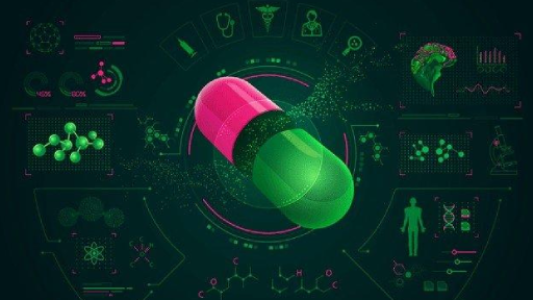
1. Simplifies Complex Concepts
Scientific subjects often involve microscopic processes or highly technical systems.
Animation allows viewers to see:
- Molecular interactions
- Cellular behavior
- Protein structures
- Biological mechanisms
Instead of reading hundreds of pages of research, audiences can understand key concepts in minutes.
2. Improves Audience Engagement
People remember visual information significantly better than text alone.
A well-designed scientific animation:
- Captures attention
- Maintains interest
- Improves retention
- Encourages sharing
This makes it particularly effective for presentations, conferences, and marketing campaigns.
3. Enhances Scientific Accuracy
Modern 3D tools allow animators to recreate highly detailed structures and processes based on scientific references.
This ensures:
- Visual realism
- Scientific credibility
- Consistent messaging
Many leading scientific communication companies combine scientific expertise with advanced 3D production to ensure accuracy and clarity.
4. Supports Better Decision Making
Scientific animations help stakeholders understand innovations faster.
This can assist:
- Investors evaluating technologies
- Doctors learning new treatments
- Researchers reviewing findings
- Regulatory teams assessing products
Clear communication often accelerates decision-making processes.
5. Increases Marketing Effectiveness
For biotech and pharmaceutical brands, scientific animation can dramatically improve marketing performance.
Animations can be used across:
- Websites
- Landing pages
- Social media
- Conferences
- Trade shows
- Investor meetings
Complex science becomes more accessible, helping organizations build trust and credibility.
Applications of 3D Scientific Animation
Drug Mechanism of Action (MoA) Animation
One of the most common uses of scientific animation is illustrating how a drug interacts with the body.
These animations demonstrate:
- Drug absorption
- Cellular targeting
- Molecular interactions
- Therapeutic outcomes
MoA animations are widely used across pharmaceutical and biotechnology sectors.
Mechanism of Disease (MoD) Animation
Understanding disease progression is critical for healthcare communication.
Animations can visualize:
- Disease development
- Cellular damage
- Biological responses
- Treatment opportunities
These visualizations help healthcare professionals and patients better understand medical conditions.
Biotechnology Visualization
Biotech companies often develop highly innovative technologies that are difficult to explain.
Scientific animations help communicate:
- Protein engineering
- Gene editing
- Synthetic biology
- Cell therapy
- Immunotherapy
Medical Device Animation
Medical device companies use animation to showcase:
- Product operation
- Internal mechanisms
- Surgical applications
- Clinical advantages
This helps audiences understand products without requiring physical demonstrations.
Research Visualization
Research institutions use 3D scientific animation to:
- Explain discoveries
- Present findings
- Support grant applications
- Enhance public understanding
Animations can turn years of research into compelling visual stories.
Educational Content
Scientific animations are increasingly used in:
- Universities
- Schools
- Online learning platforms
- Training programs
Visual learning improves comprehension and retention of complex subjects.
Industries That Benefit from Scientific Animation
Healthcare
Healthcare organizations use animations for:
- Patient education
- Physician training
- Treatment explanations
Pharmaceuticals
Pharma companies rely on animation to explain:
- Drug mechanisms
- Clinical research
- Product benefits
Biotechnology
Biotech firms use scientific visualization for:
- Technology presentations
- Investor communications
- Product launches
Engineering
Engineering companies use scientific animation to visualize:
- Manufacturing systems
- Industrial processes
- Product functionality
Environmental Science
Animations help communicate:
- Climate research
- Sustainability initiatives
- Ecological systems
Aerospace and Astronomy
Scientific visualization is widely used to represent:
- Space missions
- Planetary systems
- Astrophysical simulations
3D scientific visualization is increasingly applied across research disciplines where data and processes are difficult to observe directly.
The Scientific Animation Production Process
At Prolific Studio, every scientific animation follows a structured workflow to ensure accuracy and quality.
Step 1: Research and Discovery
We begin by gathering:
- Research papers
- Scientific references
- Product information
- Expert feedback
This stage establishes the scientific foundation for the project.
Step 2: Script Development
Our writers create a narrative that balances:
- Scientific accuracy
- Audience understanding
- Engagement
The script serves as the blueprint for production.
Step 3: Storyboarding
Visual concepts are developed through storyboards.
These define:
- Camera angles
- Scene transitions
- Visual hierarchy
- Information flow
Step 4: 3D Modeling
Artists create:
- Cells
- Molecules
- Organs
- Devices
- Scientific environments
Every model is built using scientific references.
Step 5: Animation
Motion brings scientific concepts to life.
This includes:
- Molecular movement
- Cellular interactions
- Dynamic simulations
- Environmental effects
Step 6: Texturing and Lighting
Realistic materials and lighting improve:
- Visual quality
- Depth
- Scientific realism
Step 7: Rendering
High-resolution rendering creates the final visuals.
This stage transforms digital assets into polished animations.
Step 8: Review and Scientific Validation
Before delivery, content is reviewed for:
- Accuracy
- Consistency
- Visual quality
Expert feedback is incorporated when necessary.
Why Businesses Choose Prolific Studio for 3D Scientific Animation
At Prolific Studio, we combine creativity with scientific precision.
Our team specializes in creating animations that:
- Simplify complex science
- Maintain scientific integrity
- Engage diverse audiences
- Support business goals
Whether you’re a biotech startup, pharmaceutical company, research institution, or healthcare organization, we create visual experiences that make scientific information accessible and memorable.
Our expertise includes:
- 3D Scientific Animation
- Medical Animation
- Pharmaceutical Animation
- Biotechnology Animation
- Scientific Visualization
- Product Demonstrations
- Educational Content
- Corporate Presentations
Future Trends in Scientific Animation
The future of scientific communication is becoming increasingly visual.
Emerging trends include:
Artificial Intelligence Integration
AI-assisted workflows are accelerating production while improving efficiency.
Interactive Scientific Experiences
Users can explore scientific concepts in real time.
Virtual Reality (VR)
Immersive environments allow deeper understanding of biological systems.
Augmented Reality (AR)
Scientific content can be experienced within real-world environments.
Real-Time Visualization
Advanced rendering technologies are making scientific data more interactive and accessible.
These innovations will continue to transform how science is communicated worldwide.
Final Thoughts
The future of visual communication belongs to brands that can explain, inspire, and engage through immersive experiences. Whether you need 3D product animation, architectural visualization, medical device animation, SaaS product demonstrations, engineering animations, or cinematic CGI content, professional animation provides an unmatched advantage in today’s competitive market.
At Prolific Studio, we help businesses transform ideas into extraordinary visual experiences that educate audiences, strengthen brands, and drive results. Through innovative storytelling, photorealistic rendering, and industry-leading animation expertise, we bring your vision to life with creativity, precision, and measurable impact.